Wakeout pack — 13 exercises
Lower Back Strength
Build functional lower back strength with golf swing-inspired movements.
standingdeskmiddaydo anywhere13 exercises
30-second preview
Reach for this when…
Your back feels fine and you would like to keep it that way, so you want a few minutes of standing strength work between tasks.
Why this happens
Most people only think about their lower back after it starts hurting. This pack is built for the opposite case — the healthy back that would like to stay that way. The mechanism here is strength, not stretch: the erector spinae and multifidus muscles that run alongside the spine are the structural supports that keep the lumbar segments stacked and stable, and they get weak under sedentary life the same way any other muscle does. Weak erectors mean the ligaments and discs take loads they were not designed to take repeatedly, which is how chronic back pain starts. Standing rotational work — the golf-swing family of movements — loads those muscles through functional ranges without the injury risk of heavy barbell work. This is a prevention pack: standing, rotational, posture-building. If your back already hurts, it is the wrong tool — the Lower Back Tension Release pack is built for that.
About this routine
Best for healthy adults who sit a lot and want to build real lumbar resilience before they need it. All standing, golf-swing-inspired rotation and extension work. Skip this pack if you are in an active back-pain flare, have a known disc herniation, spondylolisthesis, or recent back surgery — rotational loading is not the right input for those. Pregnant users should avoid deep rotation in the second and third trimesters. Not medical advice. It is a preventive strength routine for stable backs, not a rehabilitation protocol.
The routine
13 exercises in this pack
#
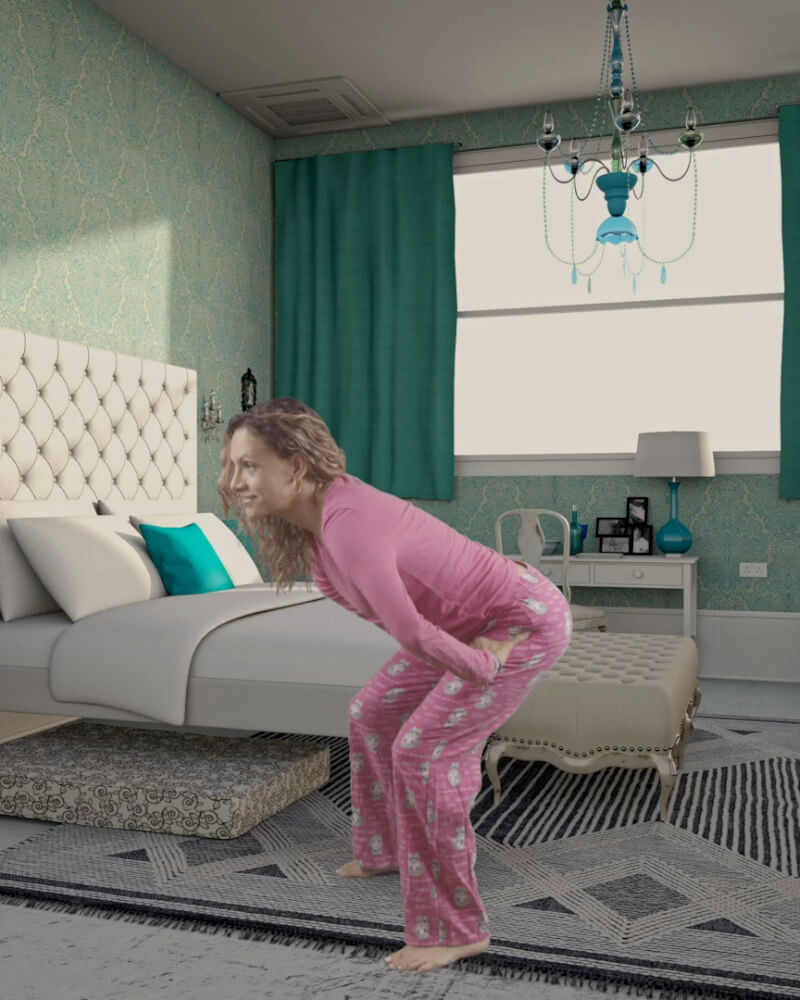
Baseball Swing Left
Baseball Swing Right
Crossed Arms Side Leans
Diagonal Toe Touches
Donkey Kicks
7 more in this pack
Unlock the full routine.
The iOS app plays all 13 exercises in order, with audio cues, countdown, and a streak that keeps you honest.
Use this pack when you need to…
Built for these moments
Make Me Stand Up
Higher-intensity moves that get you up on your feet, from sit-to-stand flows to moves for your standing desk.
Why this pack: You get up on your feet for Golf Swings, Air Dead Lifts and a Squat Hold, standing moves that build real strength while your whole body wakes up.
Strengthen Back
Desk yoga and focused moves that strengthen and stretch your lower back and give your spine some kind attention.
Why this pack: This pack is all about your lower back, pairing Superman Bows and Air Dead Lifts for strength and spinal stability with Diagonal Toe Touches for a good stretch.
Engage My Core
Torso twists, side touches and similar moves that work your whole core: your abs, your sides and your lower back.
Why this pack: Golf Swings, Baseball Swings and Twist And Touch The Floor keep your torso turning, so your core teams up with your lower back in every playful rep.
Frequently asked
What people ask about lower back strength
Can I really prevent back pain with exercise?
Regular strengthening of the posterior chain — erector spinae, multifidus, glutes, and core — is one of the best-supported preventive interventions for mechanical low back pain. The mechanism is simple: strong muscles take load off the passive structures (ligaments, discs) that cause most chronic pain when they are repeatedly overloaded. Exercise does not make a back invincible, but it meaningfully lowers the risk of the most common desk-worker back problems. Start before symptoms appear.
What's the difference between strengthening and stretching my lower back?
Stretching lengthens tight tissue; strengthening builds the muscles that keep the spine stable under load. For preventive back health, strengthening is the higher-leverage input — weak erectors and a weak core are what allow segments to move in ways that eventually cause pain. Stretching helps when tissue is genuinely shortened or guarded, but most desk-worker backs do not lack flexibility. They lack active support. This pack trains the active side.
Why is golf-swing inspired movement good for the back?
The golf swing is one of the most demanding functional movements for the lumbar spine, and training similar patterns — controlled rotation with extension under load — builds strength through the ranges the back actually uses in real life. Rotational strength is under-trained in most desk workers because sitting is a pure-sagittal-plane posture. Training the rotational plane directly rebuilds resilience in the multifidus and oblique sling, which protect the spine during any twisting movement.
How is this different from the Lower Back Tension Release pack?
This pack is preventive and standing, built around strengthening the muscles that protect the lumbar spine. Lower Back Tension Release is seated and relief-focused, aimed at people with current pain from prolonged sitting. Strength is not the right input when your back is flaring — gentle relief is — and relief stretches are not the right input when your back is healthy and you want to keep it that way. Pick the one that matches your current state.
How often should I do this pack?
Two to four times a week is a reasonable baseline for building and maintaining lumbar strength — the same dosing logic as any other strength work. Daily is not necessary and may actually reduce results by not allowing recovery. Spread sessions across the week, skip if your back is sore or flaring, and treat this as real training rather than a warm-up. Consistency over months is where the prevention effect actually shows up.
You might also like
Packs built for the same body, a slightly different moment.
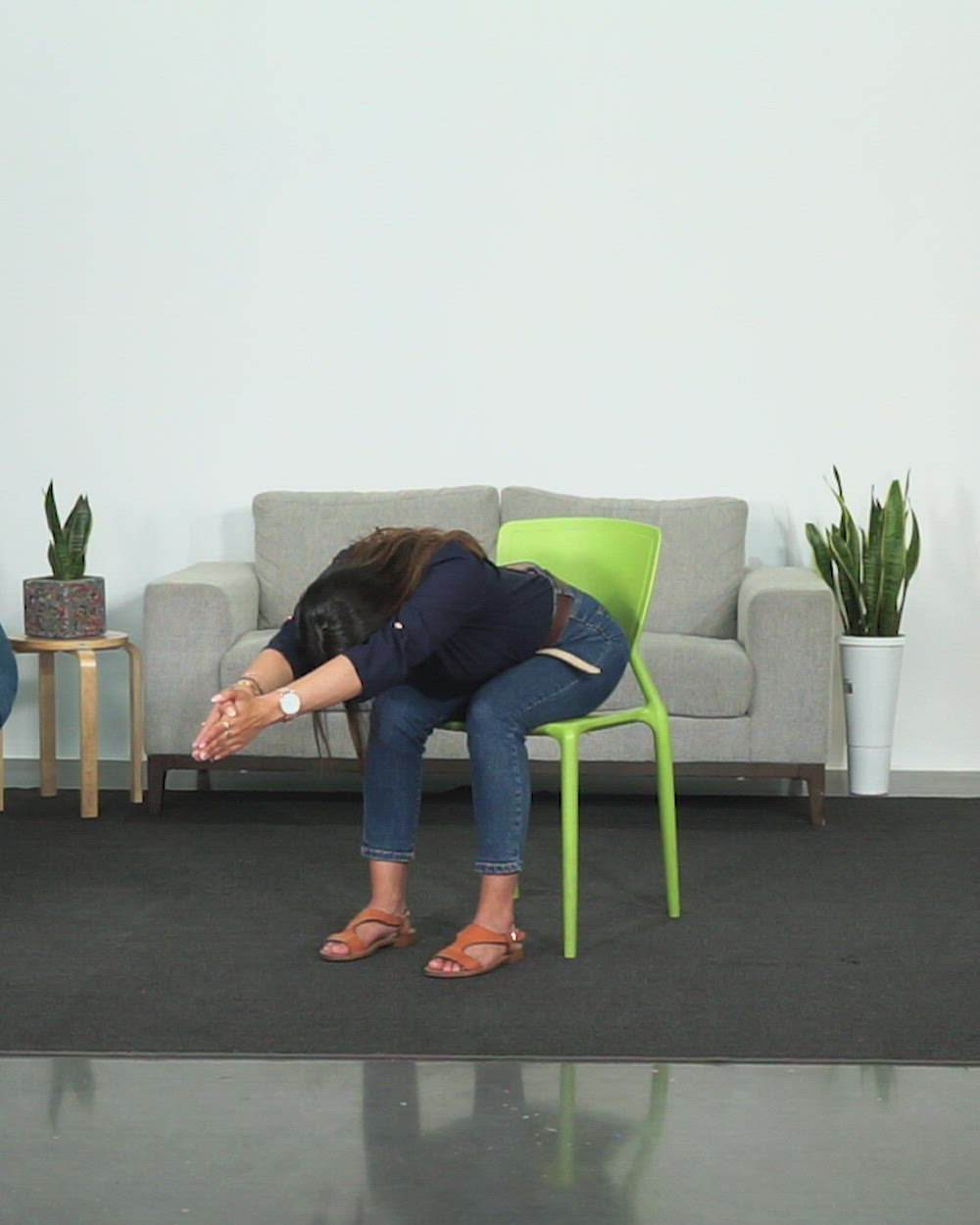 16 exercises
Back Pain
Gentle movements to relieve tension in upper and lower back muscles.
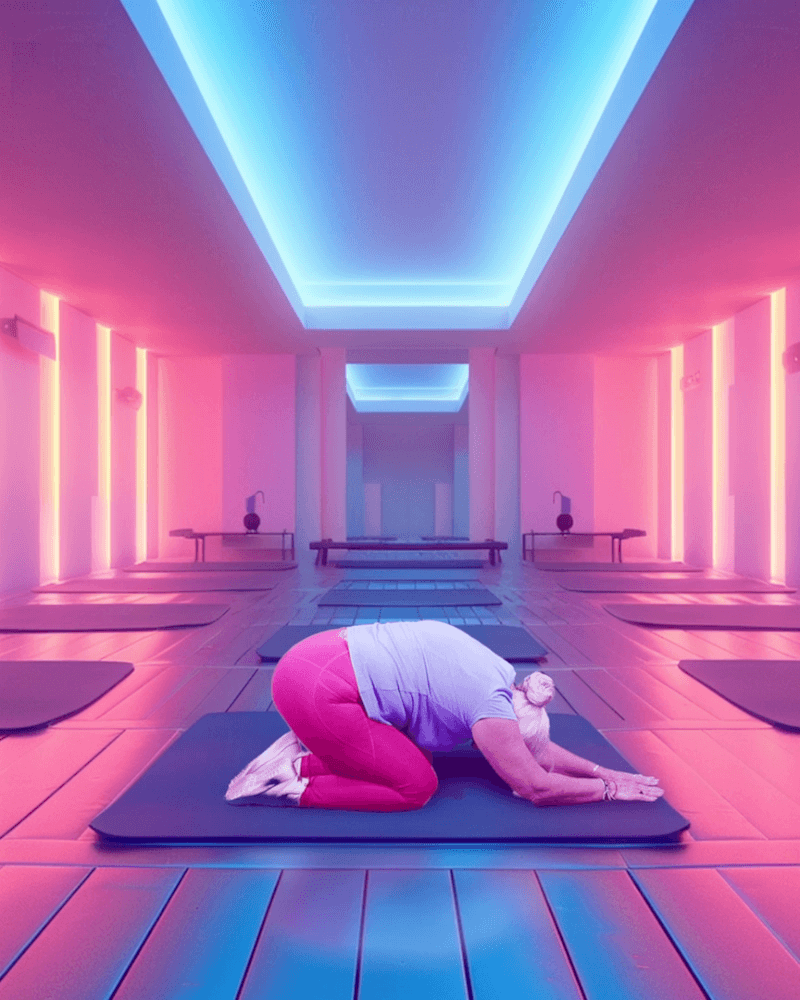 12 exercises
Spinal Health
Improve spine flexibility and strength with mat-based alignment exercises.
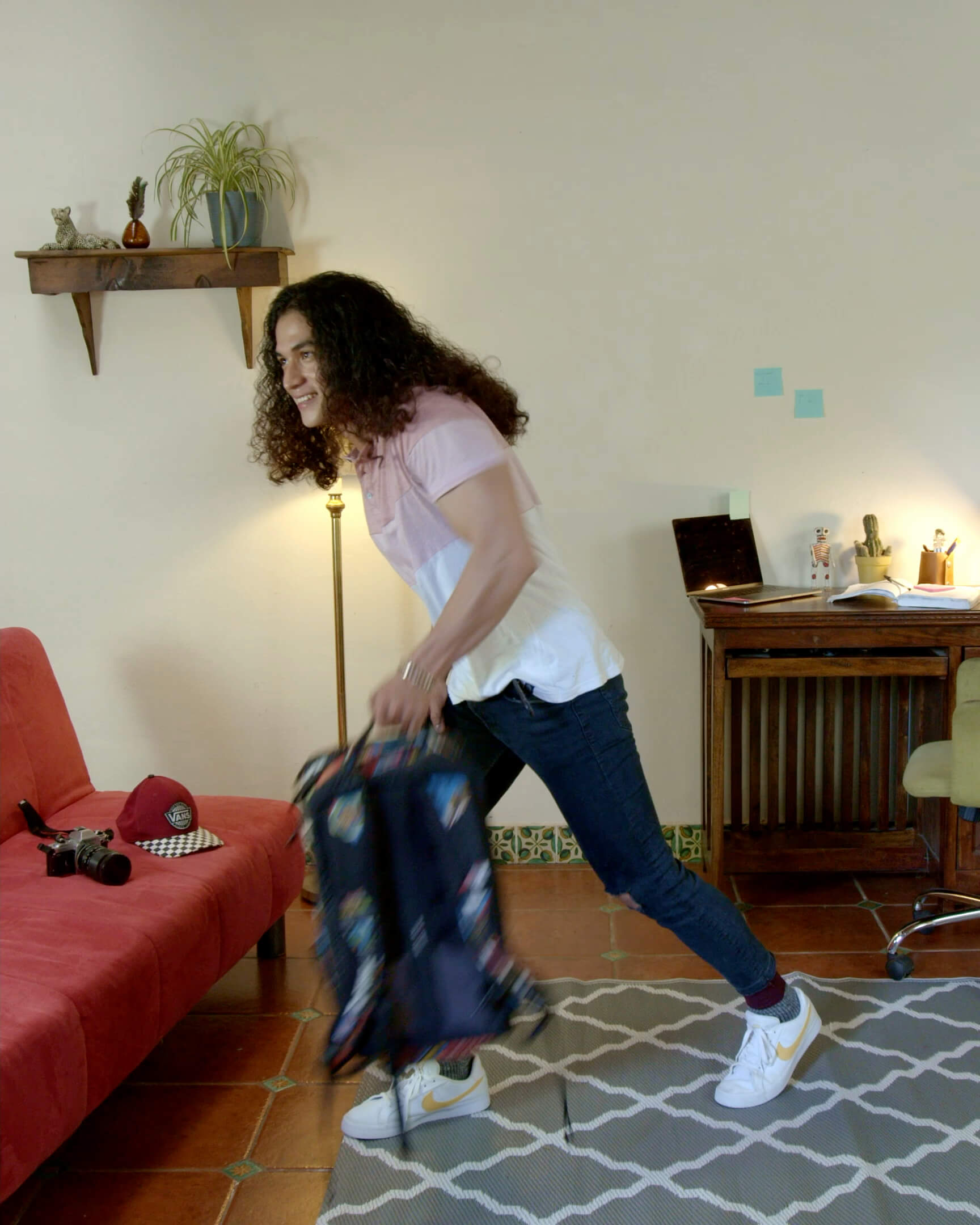 28 exercises
Backpack
Use your backpack's weight for resistance exercises before heading to work or school.
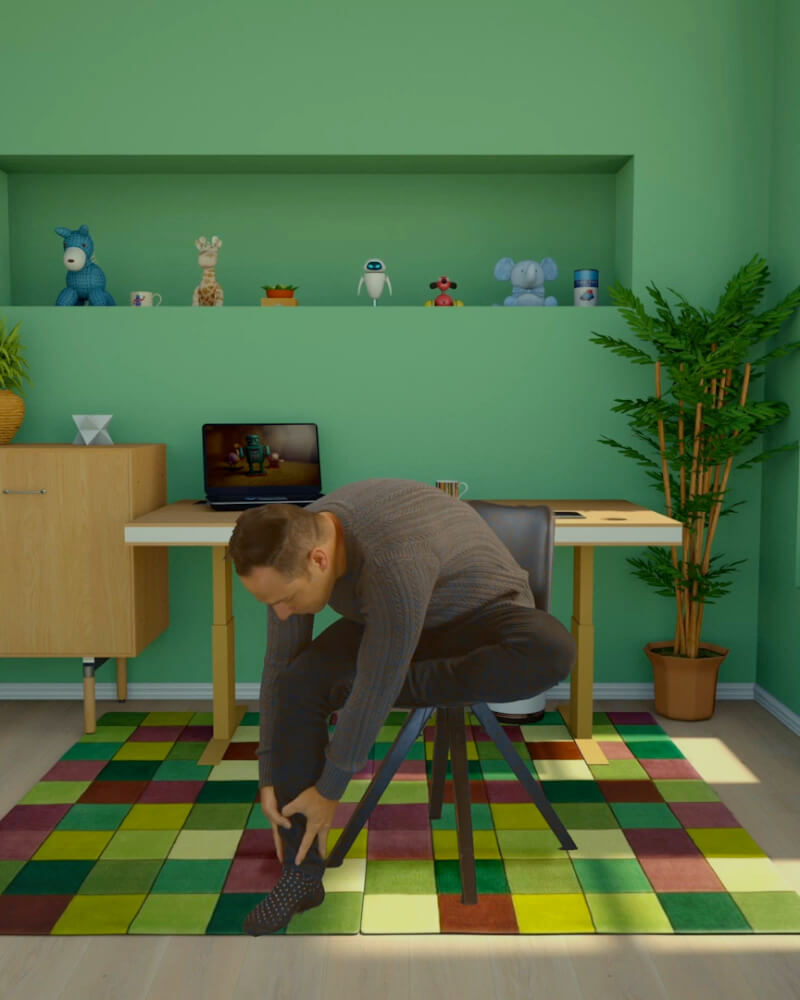 15 exercises
Lower Back Tension Release
Release lower back tension from prolonged sitting with targeted stretches.
 12 exercises
Lower Back Warm Up
Morning exercises to activate and protect lower back muscles.
Want the full routine?
Three minutes, guided by audio, in the iOS app. Or add Wakeout to Chrome — every new tab becomes a tiny movement break.