Wakeout pack — 12 exercises
Spinal Health
Improve spine flexibility and strength with mat-based alignment exercises.
laying downbedroom / living roommorning / eveningdo anywhere12 exercises
30-second preview
Reach for this when…
You have a mat and some floor space, and you want proper spine mobility work like cat cow and cobra, morning or evening.
Why this happens
The spine is a stack of 33 vertebrae separated by discs that depend on movement for their nutrition. Unlike most tissues, spinal discs have no direct blood supply — they get oxygen and nutrients through a pumping action that happens only when the spine bends, extends, and rotates. Hours of static sitting starve those discs, which is one reason chronic low-back issues are so common in desk workers. Classical mat exercises like cat-cow and cobra are not just stretches; they're segmental mobility work that cycles each vertebra through its full range and drives fluid exchange across every disc. This pack is professional-grade spinal maintenance — the kind of movement physical therapists prescribe, adapted for self-practice on a mat at home. It requires floor space and the willingness to lie down, which rules it out for mid-workday use, but it's one of the highest-return movement investments for anyone whose job involves prolonged sitting. Better done five minutes daily than thirty minutes weekly.
About this routine
Best morning or evening, on a mat or soft floor, with space to lie on your stomach and back. Requires 5 to 10 minutes and room to extend fully. Skip during acute back pain, disc injury, recent spinal surgery, or any condition where your clinician has restricted spinal flexion or extension. Safe during most pregnancies with modifications after the first trimester (avoid prone positions). Not a replacement for physical therapy if you're in active treatment — this is maintenance for healthy spines, not rehab.
Use this pack when you need to…
Built for these moments
Strengthen Back
Desk yoga and focused moves that strengthen and stretch your lower back and give your spine some kind attention.
Why this pack: Cobras, Sphinx, Desert Lizzard and Cat Cow give your back a friendly mat session built on spinal mobility, alignment, flexibility and strength for overall back health.
Engage My Core
Torso twists, side touches and similar moves that work your whole core: your abs, your sides and your lower back.
Why this pack: Mini Crunches, Elbows To Knees and Side Touches bring your whole core along on the mat, helping your spine move nicely and stay in good alignment.
Frequently asked
What people ask about spinal health
How do spinal discs get their nutrients?
Spinal discs are largely avascular — they have no direct blood supply and depend on mechanical pumping for oxygen and nutrient exchange. When the spine bends, extends, or rotates, the resulting pressure changes draw fluid in and out of the disc, delivering nutrients and removing waste. This is why prolonged stillness is particularly bad for disc health, and why movement-based spinal care works. Cat-cow and cobra are well-studied examples that reliably drive this exchange.
Is cat-cow actually effective for back pain?
Cat-cow is one of the most studied and recommended movements for non-specific back pain, and for good reason — it cycles the spine through flexion and extension, which restores disc hydration, releases tight paraspinal muscles, and improves segmental mobility. Physical therapists prescribe it widely because it's gentle, low-risk, and targets the exact mechanism (stiff, dehydrated spine) behind most desk-related back complaints.
Can I do cobra if I have a disc issue?
Cobra is often prescribed for posterior disc issues (McKenzie extension protocol) but should be avoided with anterior disc injury or spinal stenosis. If you have a diagnosed disc problem, ask your physical therapist whether extension-based movement is appropriate for your specific case — the same movement that helps one person can worsen another's. For non-specific back stiffness without diagnosed pathology, gentle cobra is generally safe.
How does this pack differ from the seated back packs?
This pack is mat-based and requires lying down, which lets you do spinal work that a chair can't replicate — prone extension, full quadruped mobility, supine rotation. Seated packs like Back Pain or Lower Back Tension Release are better for acute relief during the workday, when a floor isn't available. This pack is for serious spinal maintenance done on your own schedule.
How often should I do spinal mobility work?
Most physical therapists recommend daily or near-daily spinal mobility for desk workers — even just 5 minutes. The mechanism (disc nutrition through movement) works best with frequent, brief sessions rather than one long weekly practice. If you only have time for one thing, morning cat-cow tends to produce the clearest benefit because it undoes what sleep-position stillness has done to the spine.
You might also like
Packs built for the same body, a slightly different moment.
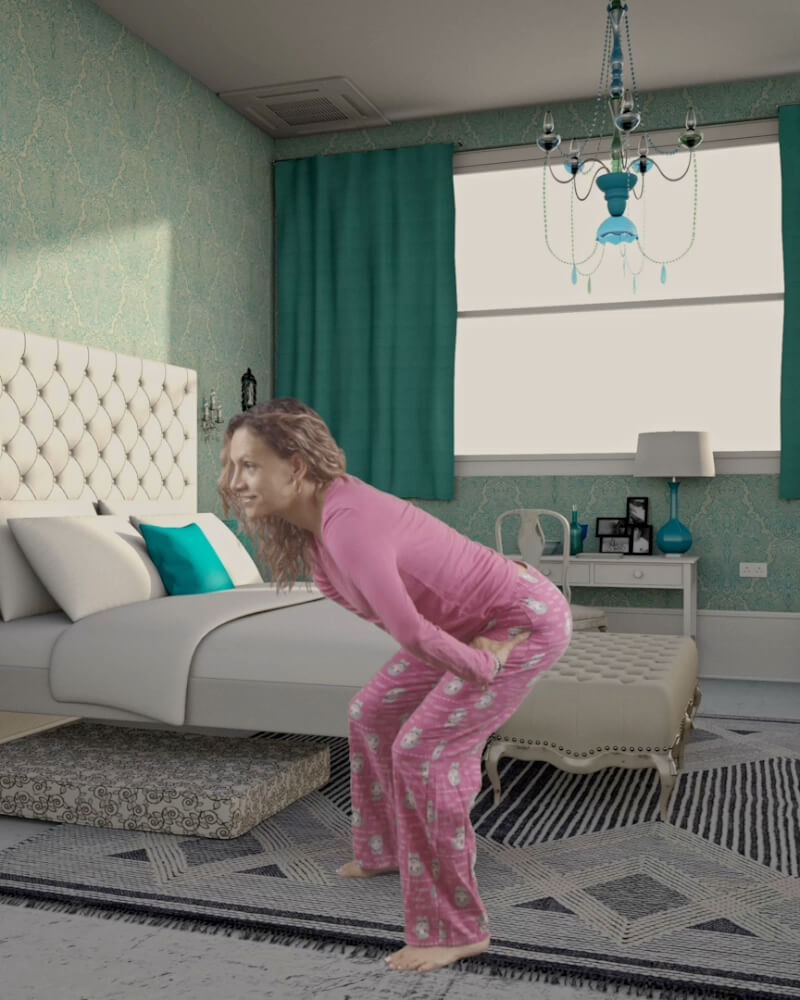 12 exercises
Lower Back Warm Up
Morning exercises to activate and protect lower back muscles.
 32 exercises
Sitting Pilates
Chair-based Pilates exercises using a towel for core engagement and posture.
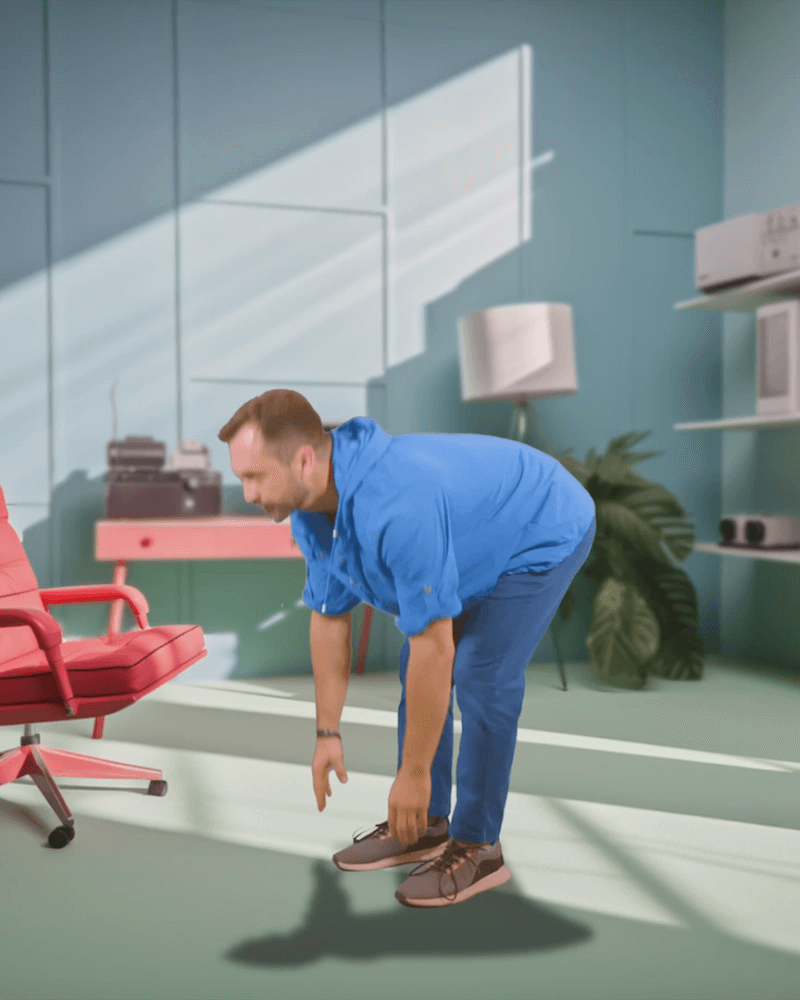 13 exercises
Lower Back Strength
Build functional lower back strength with golf swing-inspired movements.
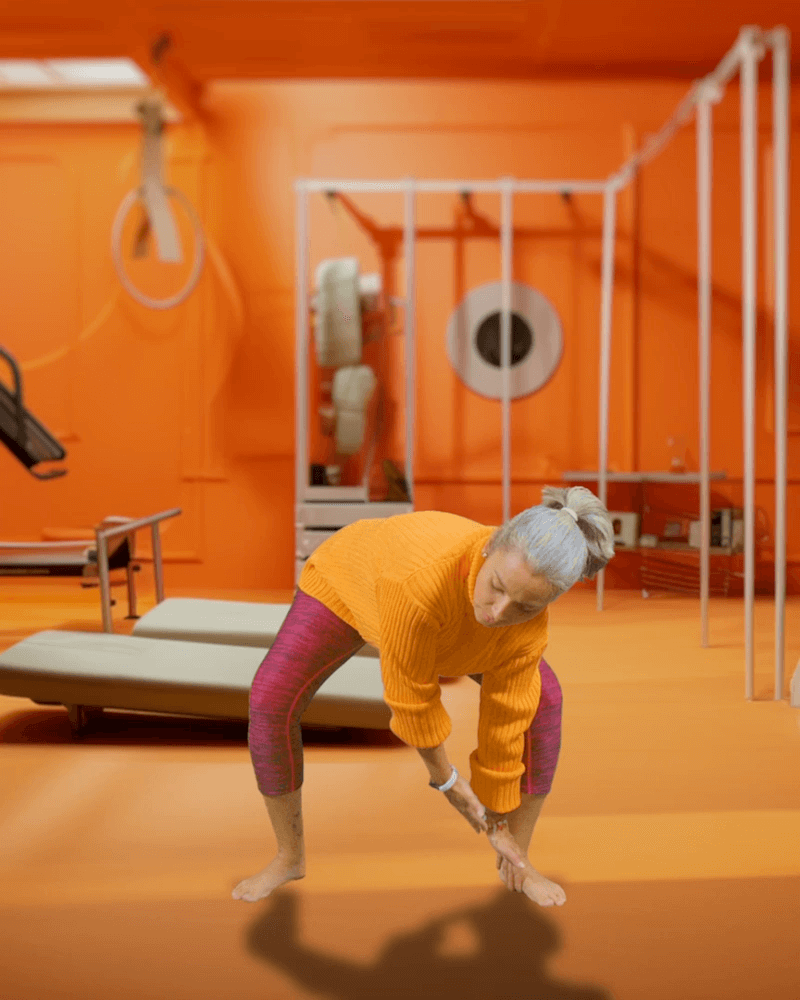 13 exercises
Mobility Range Extender
Delightful stretches targeting multiple body parts to expand range of motion.
 32 exercises
Morning Mobility
Gentle mobility exercises targeting stiffness from sedentary habits.
Want the full routine?
Three minutes, guided by audio, in the iOS app. Or add Wakeout to Chrome — every new tab becomes a tiny movement break.