Wakeout pack — 28 exercises
Backpack
Use your backpack's weight for resistance exercises before heading to work or school.
standingliving roommorning / midday28 exercises
30-second preview
Reach for this when…
Your bag is packed by the door and you have a few minutes before heading out, so you turn it into a quick weight set.
Why this happens
Most home workouts fail because the resistance is wrong — bodyweight alone stops challenging the posterior chain by week two, and buying dumbbells feels disproportionate for ten minutes of movement. A loaded backpack solves the problem. Eight to fifteen kilos sitting on your shoulders turns good mornings, squats, and rows into legitimate strength work for the gluteal complex, erector spinae, and latissimus dorsi. It also mimics the asymmetric load most people already carry — commuters, students, parents — which means training with it transfers directly to how your body is used. This pack is built for the pre-commute window: the fifteen-minute stretch between getting dressed and heading out the door, when a backpack is already packed and within reach. Standing, full-body, real resistance. Not a desk routine; a morning strength session dressed as ergonomics.
About this routine
Best as a pre-commute or pre-class strength primer with a backpack weighing roughly 15 to 30 percent of your bodyweight. Standing movements, needs about a six-foot square of floor. Skip if you have acute lumbar disc issues or an unresolved shoulder injury — loaded squats and rows under those conditions set recovery backward. Pad the straps if they bite, and check that the contents aren't shifting mid-squat. None of this replaces proper strength coaching if you're training for specific lifts.
Use this pack when you need to…
Built for these moments
Boost Energy
High-energy moves you can do seated or standing, like seated boxing and kicks, right at your desk when you need a lift.
Why this pack: Grab your backpack before work or school and wake up your morning with Backpack Swings, Lunge Pulses and a One Strap Shuffle, all done standing.
Make Me Stand Up
Higher-intensity moves that get you up on your feet, from sit-to-stand flows to moves for your standing desk.
Why this pack: Every move here happens on your feet, with your backpack's weight turning Front Squats, Backpack Rows and Bear Hug Squats into a real challenge.
Engage My Hips
Hip exercises, leg stretches, kicks and Pilates-style moves that get your hips and legs happily in motion.
Why this pack: Backpack Sumo Squats, Good Mornings and Lunge Pulses work your legs and hips against your backpack's weight, all while you stay standing.
Engage My Core
Torso twists, side touches and similar moves that work your whole core: your abs, your sides and your lower back.
Why this pack: Your backpack doubles as a core weight in moves like Backpack Pass, Backpack Sway and One Strap Pro, so your middle gets to join the fun.
Frequently asked
What people ask about backpack
How heavy should my backpack be for these exercises?
Aim for 15 to 30 percent of your bodyweight for most movements in this pack, adjusted by your training history. A 70-kilo adult with no strength background starts around 8 to 10 kilos; someone who already trains can push toward 20. Heavier than that and the spinal loading exceeds what a standard backpack frame can safely distribute across the shoulders. Test with a single slow squat first — if form breaks down, the weight is too much.
Is this safe for my back, or will it cause injury?
Loaded squats and hinges are safer than most people expect, provided the weight is appropriate and the movement is controlled. The lumbar spine is designed to bear compressive load under extension; damage usually comes from flexion under load — rounding the back while lifting. Keep the chest lifted and the weight close to the center line of the body, and move slowly. Avoid this pack entirely if you have a diagnosed disc issue or current back pain.
When's the best time of day to do backpack exercises?
Morning is ideal because spinal disc rehydration overnight means you're at your tallest and most compressed in the first hour after waking — strength work is better after the discs have had some movement. Wait at least 30 minutes after getting up, or do a brief warm-up round before loading. Pre-commute timing also works practically: the bag is packed, you're dressed, and the protein from breakfast is available for the muscle work.
Can I do this if I don't have a backpack, or need different weights?
Most movements translate to any held weight — dumbbells, a heavy grocery bag, a gallon jug of water, or a toddler. The backpack version is specifically designed around having both hands free and the weight distributed across the shoulders, which changes the mechanics of good mornings and squats. For seated or lighter-weight alternatives, Water Bottles and With A Bottle use common household resistance without the backpack constraint.
You might also like
Packs built for the same body, a slightly different moment.
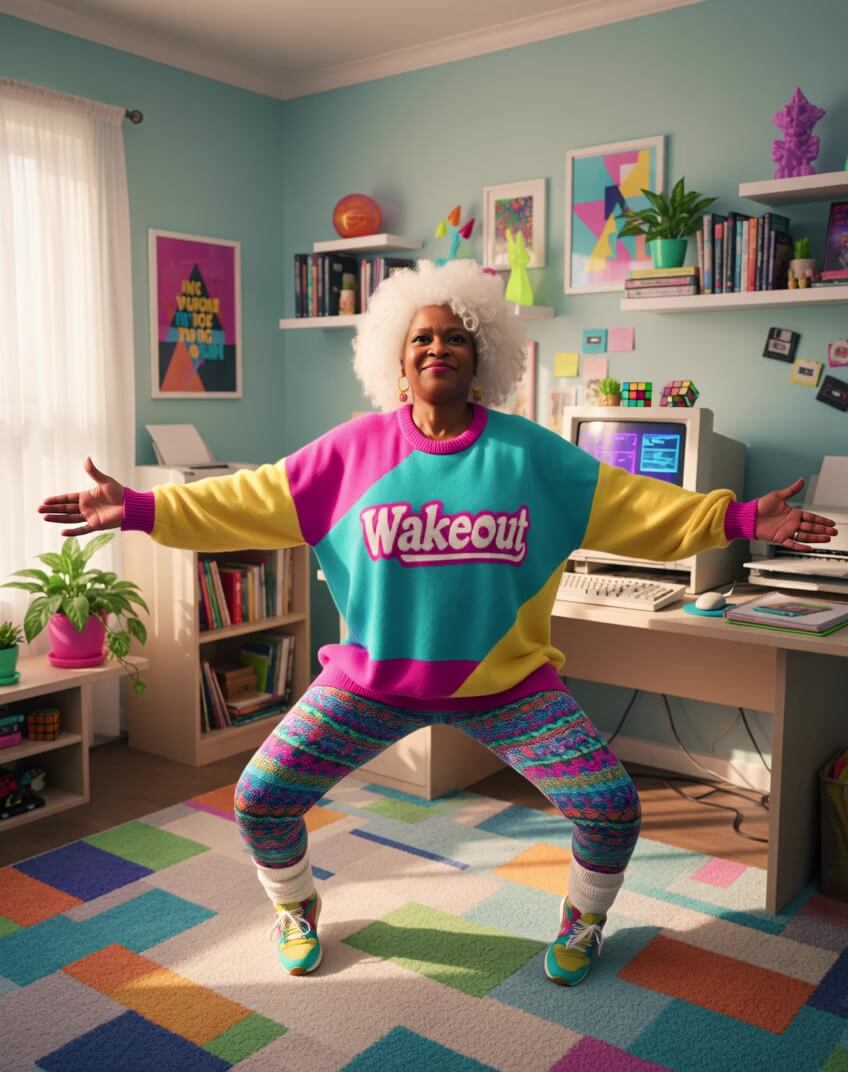 18 exercises
Work From Home Basics
Gentle, confidence-building movements perfect for beginning your activity journey.
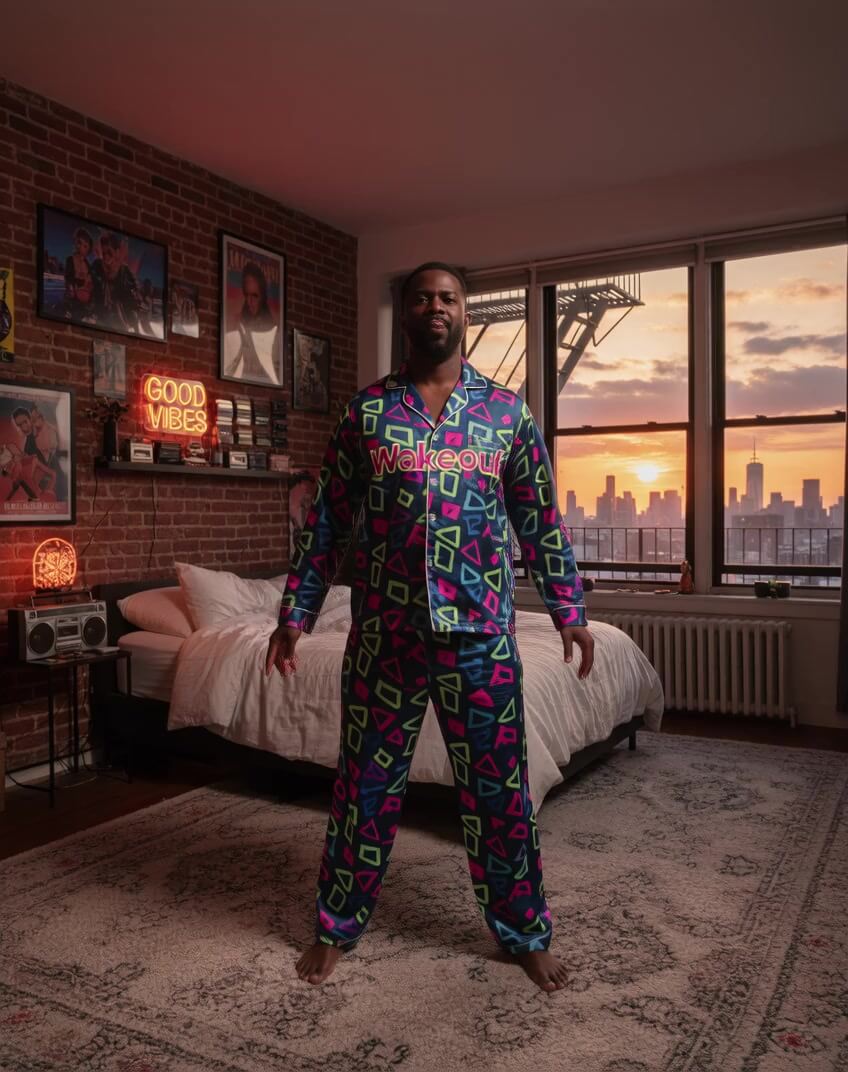 13 exercises
Sunrise In NYC
Awaken naturally with gentle bedside movements designed for early morning energy.
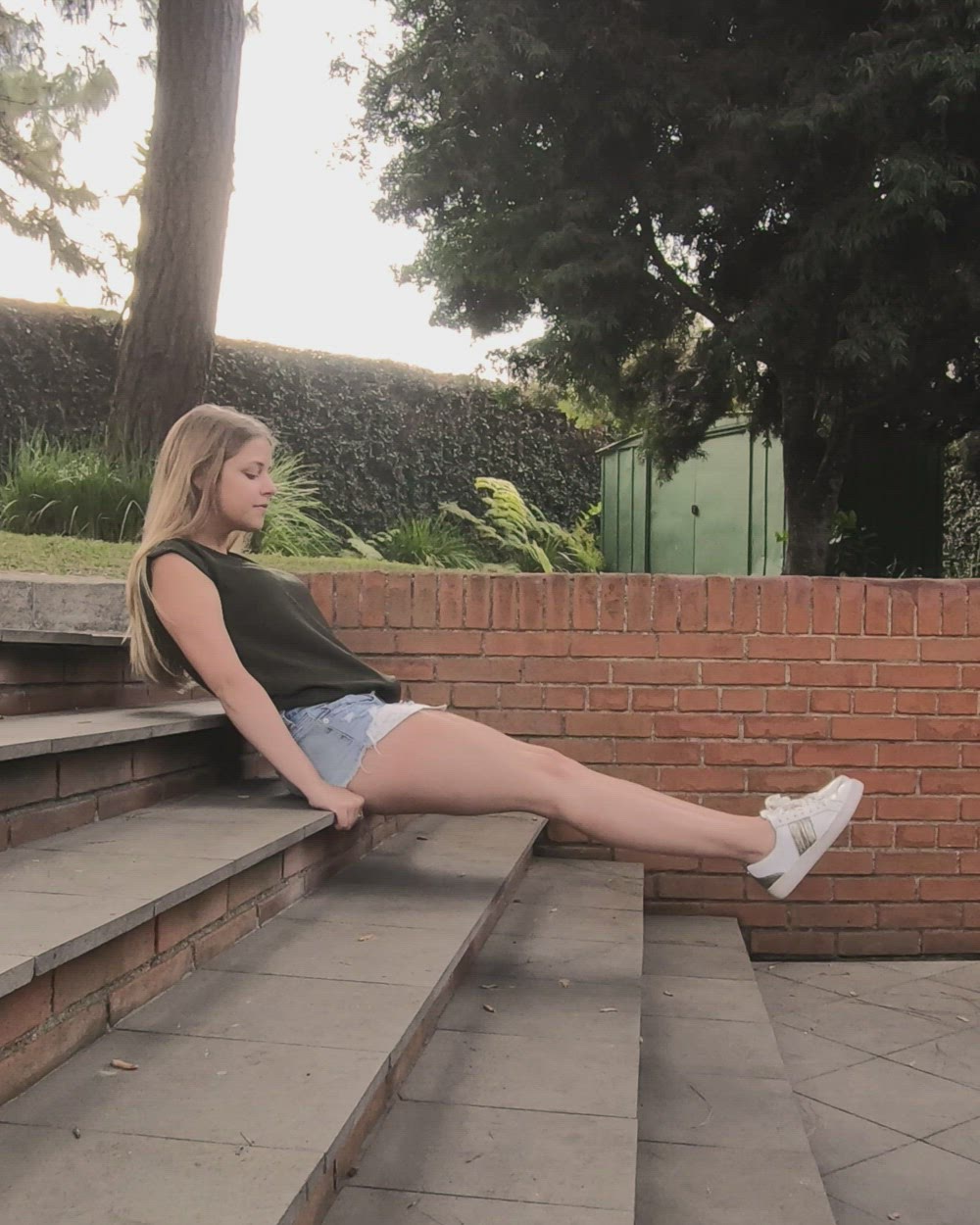 41 exercises
Stairs
Turn your staircase into a versatile tool for energy-boosting exercises.
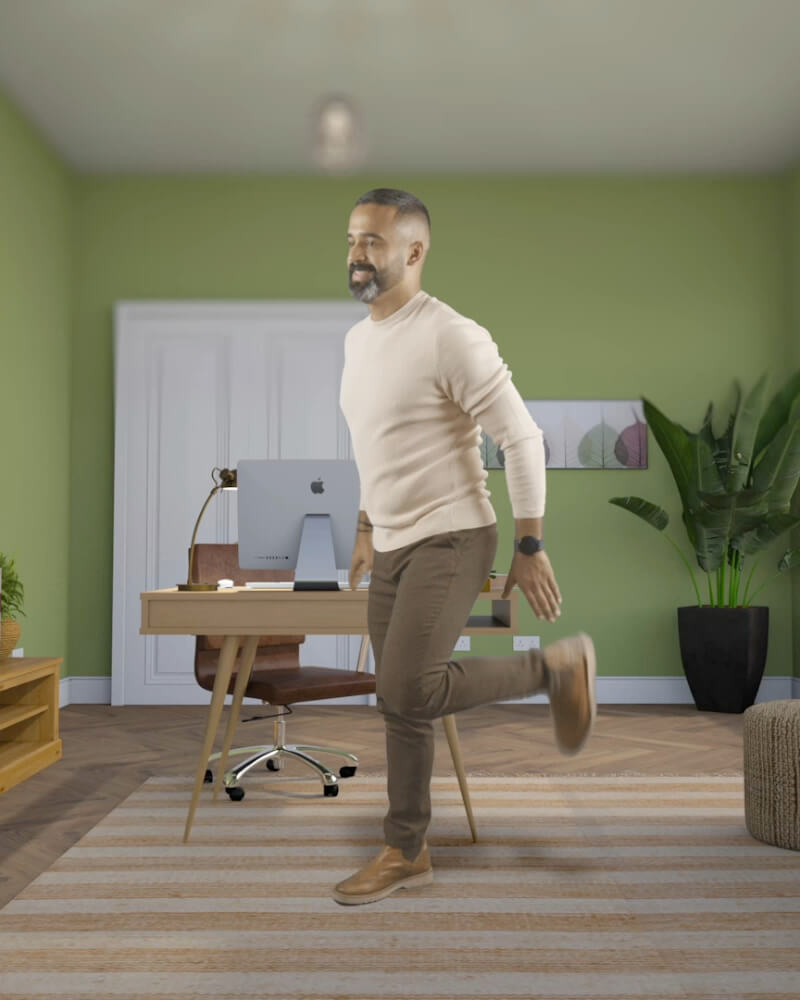 13 exercises
Fun Kicks
Playful kicking movements that energize your legs and promote lower body circulation.
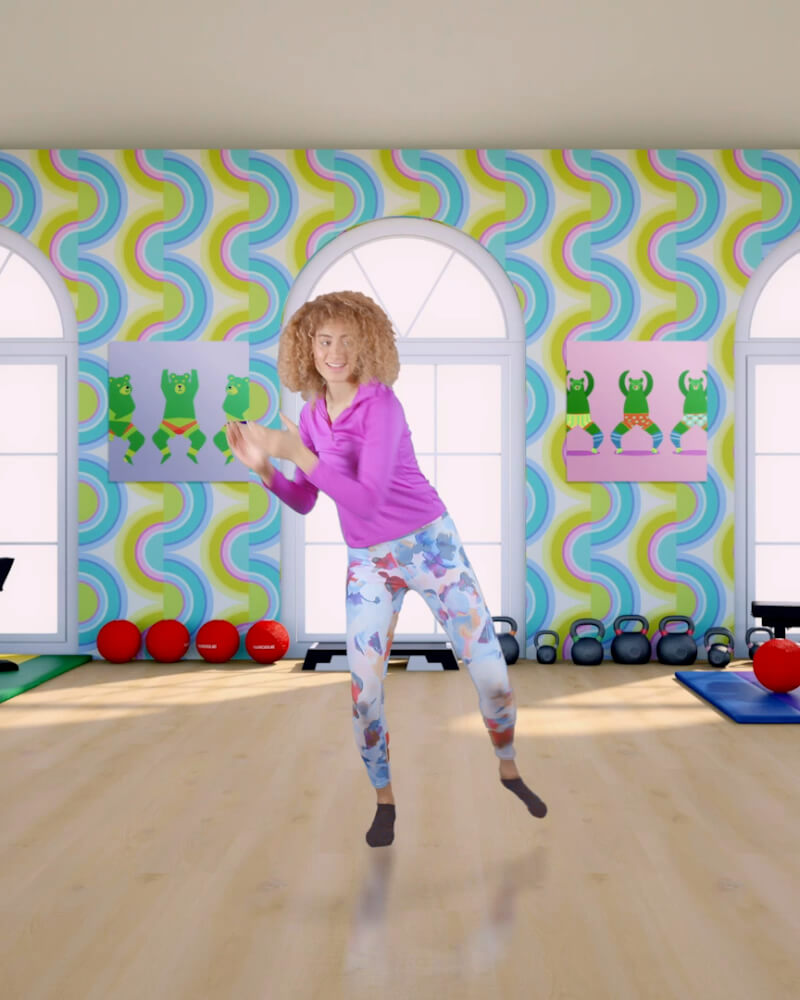 13 exercises
Funrobics
Retro 80s aerobics with upbeat movements updated for modern times.
Want the full routine?
Three minutes, guided by audio, in the iOS app. Or add Wakeout to Chrome — every new tab becomes a tiny movement break.