Wakeout pack — 30 exercises
Water Bottles
Turn water bottles into exercise weights for seated workplace strength training.
sittingdeskmidday30 exercises
30-second preview
Reach for this when…
You're at your desk with a full water bottle in reach and fancy turning it into a pair of tiny dumbbells.
Why this happens
A full water bottle weighs about two pounds. A large one closer to four. That's a usable dumbbell, already sitting on the desk, requiring no equipment purchase and no trip anywhere. Light resistance training at the desk solves a specific problem: the upper body does almost nothing during a sedentary workday. Shoulders round forward, the upper back goes slack, grip strength quietly declines, and the muscles that should support good typing posture get progressively weaker from disuse. Brief bouts of seated resistance work, even with a water bottle, stimulate enough muscle activation to counteract that decline. This pack is built around seated desk strength: curls, presses, rows, extensions using whatever bottle is in reach. It's not a replacement for the gym. But for the 95% of the workday when you're not at the gym, it beats letting the upper body atrophy under the LED panel. Most people notice better posture and less shoulder stiffness within a couple weeks of regular use.
About this routine
Best at a desk with a full water bottle in reach, during breaks between tasks. Takes three to five minutes. Scale the weight by bottle size: small bottle for higher rep shoulder work, large bottle for rows and curls. Skip if you have acute shoulder, elbow, or wrist injury where load would aggravate. Safe during pregnancy with reasonable weight choice. None of this replaces real training, but it makes the sedentary hours between training sessions much less deconditioning.
Use this pack when you need to…
Built for these moments
Boost Energy
High-energy moves you can do seated or standing, like seated boxing and kicks, right at your desk when you need a lift.
Why this pack: Grab your water bottles and liven up your desk time with Ceiling Punches, Maracas and Kayak Rows, a playful seated strength session that wakes you right up.
Activate My Legs
Higher-intensity leg moves, seated or standing, including kicks, sit-to-stands and office chair moves that put your legs to work.
Why this pack: Your water bottles add a little resistance to Lunges, Front Squats, Dead Lifts and Casanova Squats, giving your legs a lively reason to get going.
Engage My Hips
Hip exercises, leg stretches, kicks and Pilates-style moves that get your hips and legs happily in motion.
Why this pack: Lunge Twists, Kneeling Squats and Dead Lifts with your water bottles in hand get your hips and legs working together through friendly resistance moves.
Gain Mental Clarity
Cardio moves like punches, kicks, jumps and desk pumps that send oxygen through your blood and leave your head feeling clearer.
Why this pack: Golf Swings, Punches and Marimba with your water bottles lift your heart rate and send oxygen-rich blood to your brain, a fun way to shake off mental fog.
Frequently asked
What people ask about water bottles
Can a water bottle actually build strength?
For untrained or mildly trained upper body, yes, to a point. A full water bottle provides enough resistance to drive muscle activation and neuromuscular adaptation in the shoulder, bicep, and upper back musculature. Strength gains plateau fast because the load is light, but for the specific goal of counteracting desk-related upper body decline, it's more than enough. For serious hypertrophy or strength, you need heavier equipment.
How often should I do resistance work at my desk?
Two or three short sessions per work day is plenty, spaced across the morning and afternoon. The goal isn't progressive overload, it's breaking up the hours of upper body inactivity that desk work imposes. Daily is fine since the intensity is low enough that recovery isn't a concern. If you also train at a gym, treat desk work as active recovery rather than a separate program.
Why do my shoulders hurt if I haven't been working out?
Usually it's the opposite problem: they hurt because the supporting muscles are deconditioned. Weeks of rounded, seated posture weaken the mid and lower trapezius, rhomboids, and external rotators, which are supposed to keep the shoulder blade stable. The shoulder joint ends up poorly supported, and stress gets absorbed by tendons and capsule instead of muscle. Light posterior chain work often reduces pain even when it feels counterintuitive.
Is it safe to exercise while on a work call?
Light resistance work during a call is generally fine and often improves focus. The muscle groups involved don't change your breathing pattern enough to be audible, and seated movement keeps you on camera. Avoid heavy exertion that makes you grunt or breathe hard. Save that for non-meeting time. For most seated bottle work at reasonable weight, nobody on the call will notice.
Should I use a full or half-full bottle?
Match it to the movement. Shoulder raises and lateral work feel right with a smaller or lighter bottle because the lever arm is long and the muscles are small. Rows, curls, and presses can use a heavier, fuller bottle because the muscles involved are larger. If a movement makes you shrug, clench your jaw, or compensate with momentum, the bottle is too heavy. Drop the load.
You might also like
Packs built for the same body, a slightly different moment.
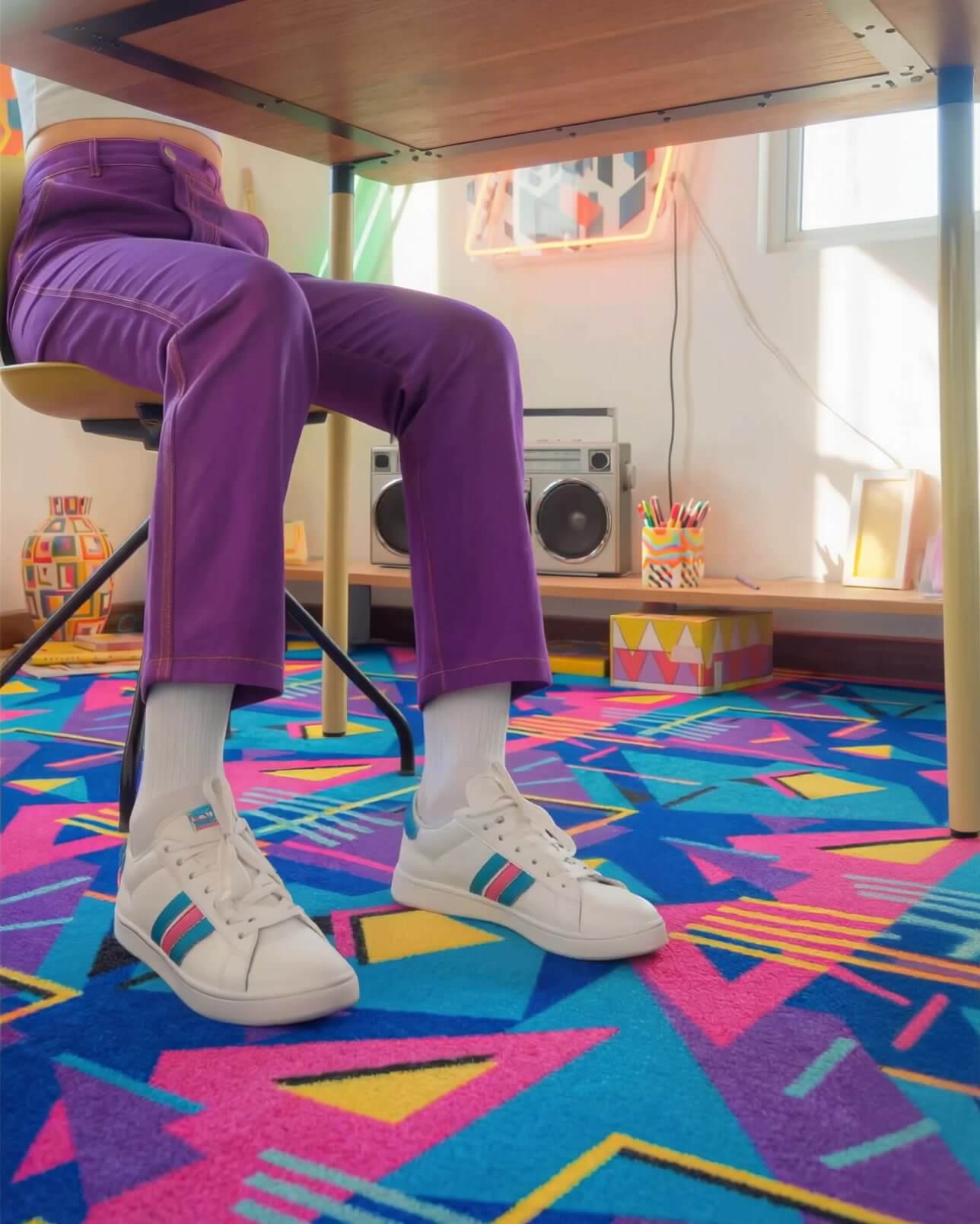 21 exercises
Sneaky Feet Party
Discreet under-desk foot movements that boost circulation and energy secretly.
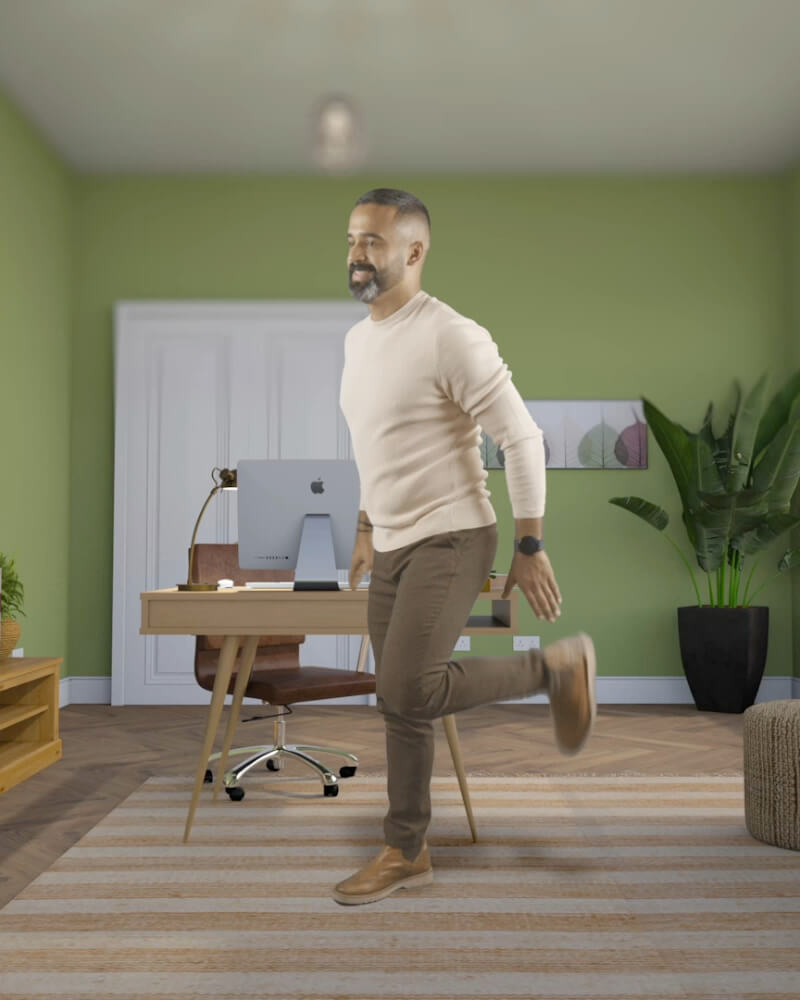 13 exercises
Fun Kicks
Playful kicking movements that energize your legs and promote lower body circulation.
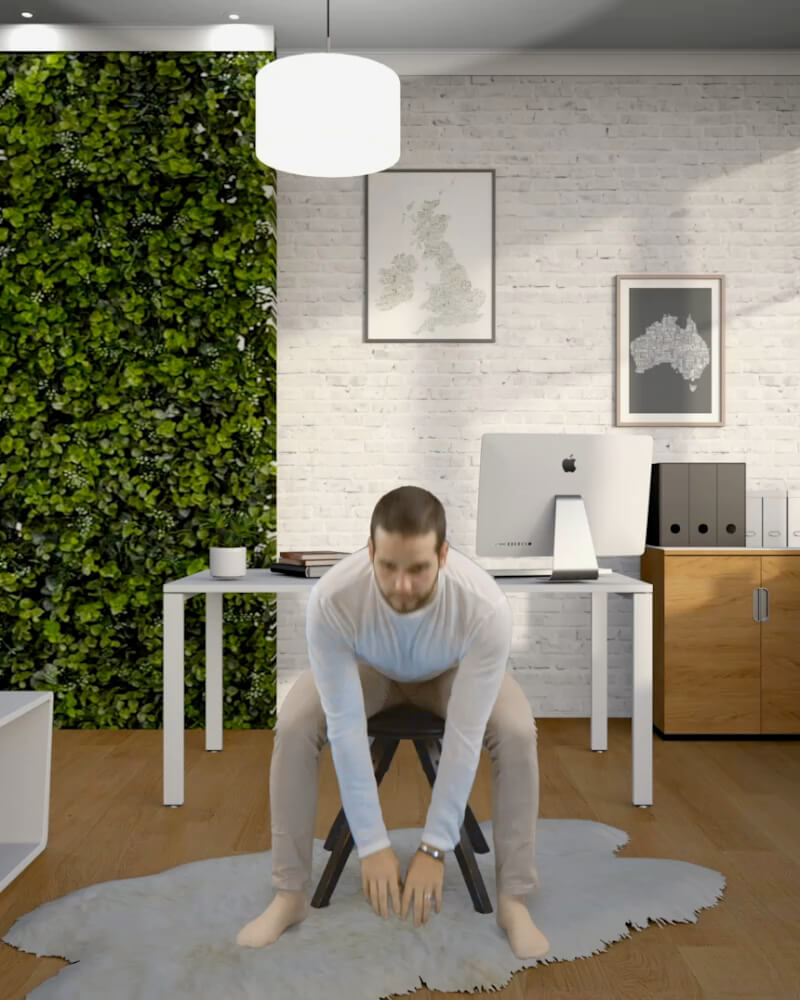 13 exercises
Sit And Stand
Dynamic movements transitioning between seated and standing positions.
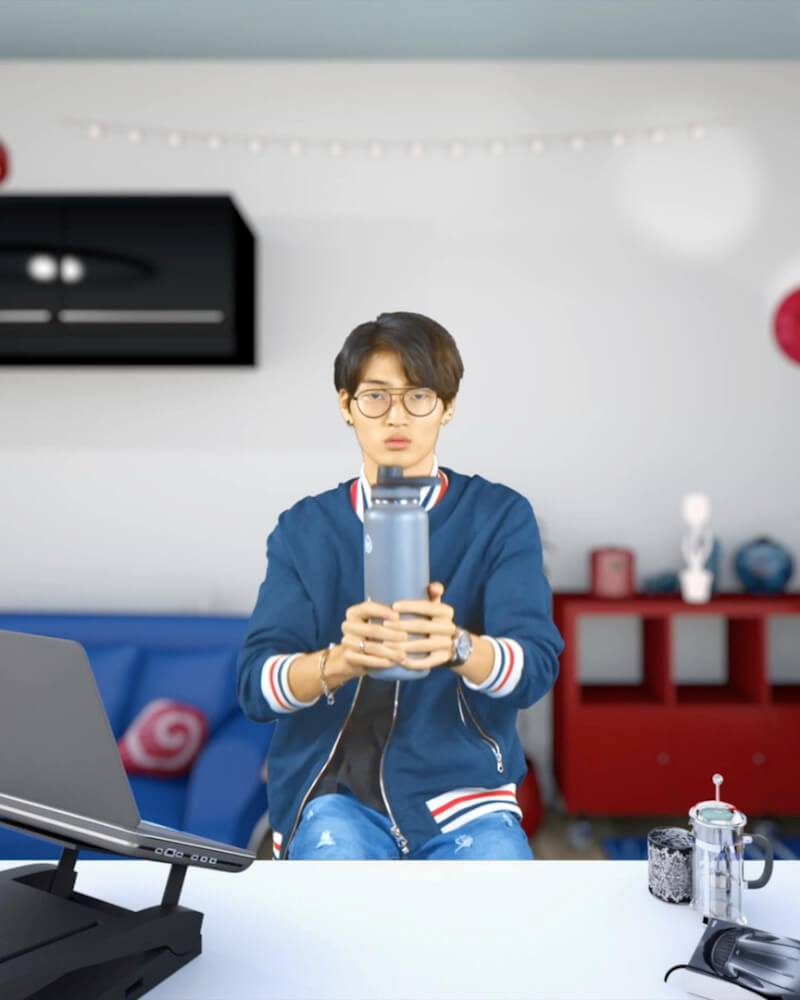 16 exercises
With A Bottle
Full workout using water bottles as weights for standing strength and cardio.
 19 exercises
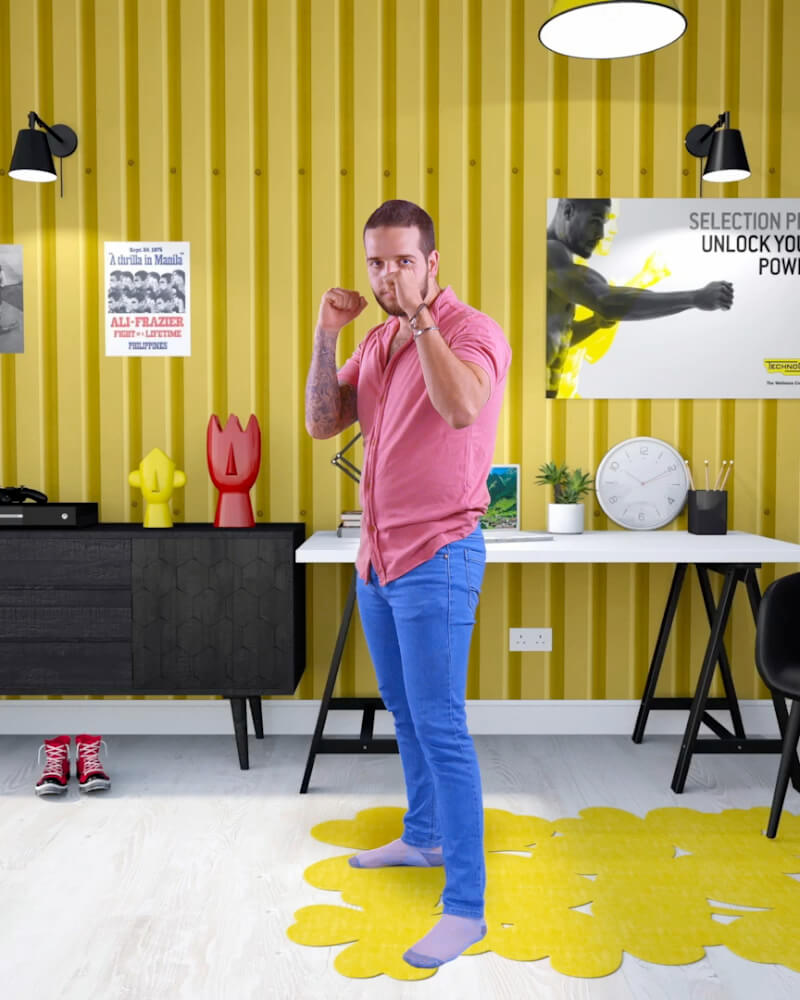
Standing Boxing
Upright boxing combinations that boost energy and confidence without equipment.
Want the full routine?
Three minutes, guided by audio, in the iOS app. Or add Wakeout to Chrome — every new tab becomes a tiny movement break.