Wakeout pack — 16 exercises
With A Bottle
Full workout using water bottles as weights for standing strength and cardio.
standingkitchen / living roommorning16 exercises
30-second preview
Reach for this when…
You're up, at home with a water bottle in hand, and you want a full morning strength and cardio session without a gym.
Why this happens
A full water bottle is a surprisingly effective training tool if you use it standing instead of seated. Two to four pounds is plenty of load for compound movements, and combining compound lifts with brief cardio bursts hits two systems at once: muscle activation and cardiovascular demand. That kind of combined session, short and dense, is well-supported for metabolic benefit, work capacity, and efficient use of a tight morning window. This pack is built for that window. Standing water-bottle movements that string strength work, squats, presses, rows, swings, together with movement-based cardio. No gym, no changing, no trip. About ten minutes of actual work. It's not a replacement for structured strength training if your goal is to get stronger long-term, but as a full morning session when time or access is limited, it does more than people assume. Most people finish warm, slightly out of breath, and noticeably more awake than they started.
About this routine
Best standing at home with a full water bottle, morning or midday. Takes about ten minutes. Skip if you have acute shoulder, wrist, back, or knee injury, or if you're early postpartum and haven't cleared impact work with a clinician. Scale intensity by how briskly you move, not by adding load. Safe during most pregnancies within usual activity tolerance. None of this replaces gym training, but as a morning session when the gym isn't happening, it works.
Use this pack when you need to…
Built for these moments
Boost Energy
High-energy moves you can do seated or standing, like seated boxing and kicks, right at your desk when you need a lift.
Why this pack: Grab a water bottle and go: Bottle Juggle, Twist Pass and U Passes bring high-intensity cardio you can do at home or in the office for a quick energy boost.
Make Me Stand Up
Higher-intensity moves that get you up on your feet, from sit-to-stand flows to moves for your standing desk.
Why this pack: You stay on your feet the whole time, mixing strength and cardio with Bottle Curls, Overhead Pass and Levers for an intense standing workout with your water bottle.
Engage My Hips
Hip exercises, leg stretches, kicks and Pilates-style moves that get your hips and legs happily in motion.
Why this pack: This standing full-body workout keeps your legs and hips working for movement and balance while you pass, twist and juggle your water bottle through the cardio moves.
Gain Mental Clarity
Cardio moves like punches, kicks, jumps and desk pumps that send oxygen through your blood and leave your head feeling clearer.
Why this pack: Cardio and strength moves like Mixologist and Bottle Raises get your heart pumping and oxygen flowing, a lively way to boost your energy and clear your head.
Frequently asked
What people ask about with a bottle
Is a water bottle workout actually effective?
For cardiovascular work, full-body conditioning, and preserving muscle in untrained or lightly trained people, yes. Light load plus high movement density produces a real training stimulus, especially for metabolic and work-capacity outcomes. It won't build peak strength or serious hypertrophy, which require progressive overload with heavier equipment. But as a morning full-body session done consistently, it delivers meaningful fitness gains compared to doing nothing.
Can you get stronger without going to the gym?
Yes, especially if you're new to training, where even bodyweight and light implements drive adaptation. Beyond the first six to twelve months, strength gains slow significantly without progressive overload, which usually means heavier equipment. For maintenance, bodyweight plus light loads like water bottles works indefinitely. For continued growth, the load eventually has to go up. Honest framing matters here.
How long should a morning workout be?
Ten to twenty minutes is the sweet spot for consistency. Long enough to drive adaptation, short enough that you'll actually do it tomorrow. Morning workouts have to compete with sleep, and every extra minute increases the odds of skipping. Research on habit formation consistently shows short, repeatable sessions beat optimal-but-skipped ones. If you're willing to do 45 minutes daily, great. Most people aren't.
Should I eat before a morning workout?
For a ten-minute light to moderate session, most people are fine fasted. The body has adequate glycogen reserves overnight for this intensity. Harder training benefits from some fuel, especially if it's longer than 30 minutes. If you feel dizzy, weak, or lightheaded when fasted, eat something small first. This pack sits in the zone where fasted is typically fine, but individual tolerance varies.
Is it okay to do cardio and strength in the same workout?
Yes, and for general fitness it's efficient. Combining strength and cardio in one short session produces a mixed stimulus that improves both, if neither component is maximal. Elite athletes separate them to avoid interference effects, but for general health, the time savings of combined sessions outweigh any minor reduction in peak gains. For this pack specifically, the cardio and strength are intentionally blended.
You might also like
Packs built for the same body, a slightly different moment.
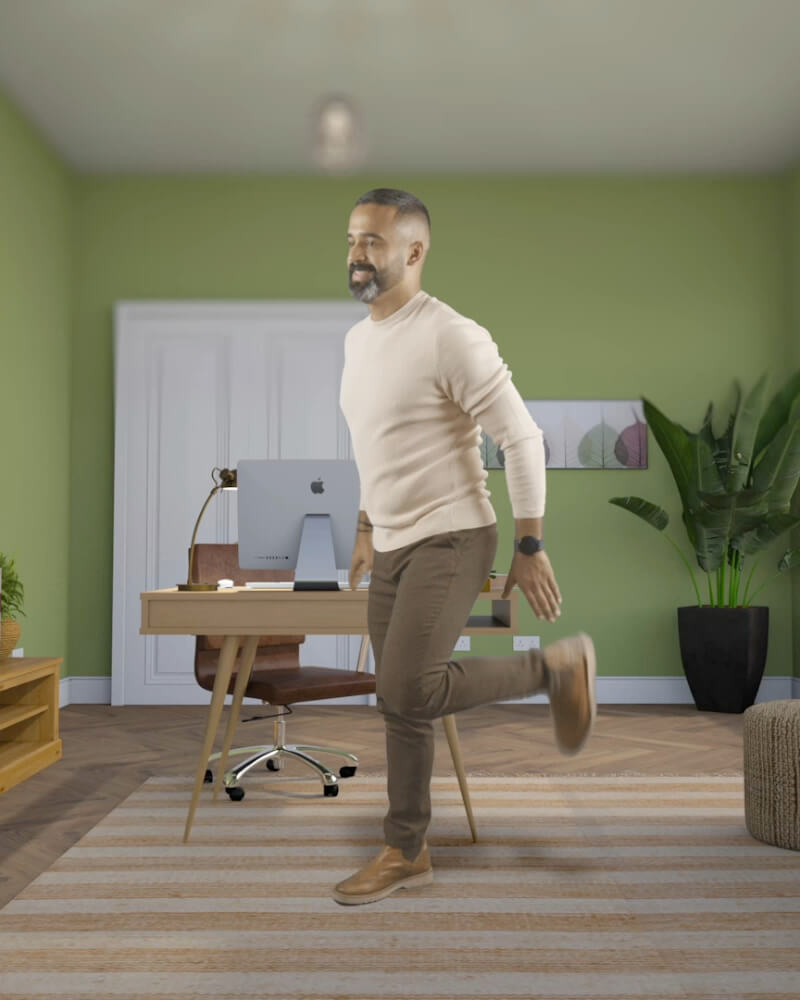 13 exercises
Fun Kicks
Playful kicking movements that energize your legs and promote lower body circulation.
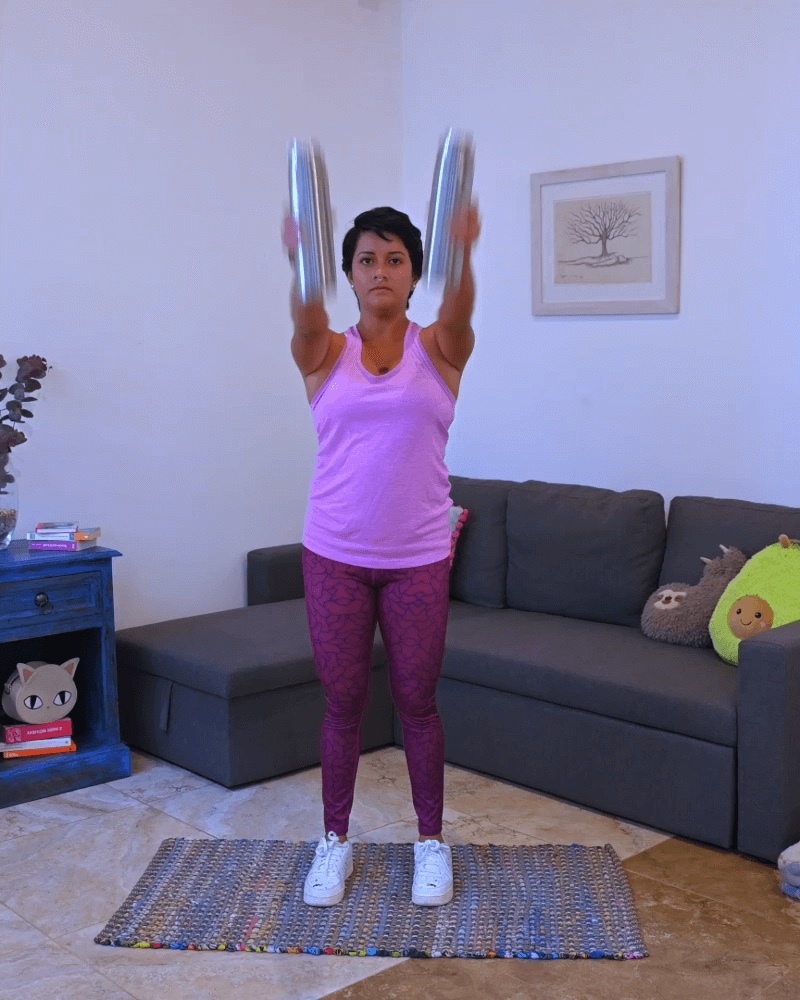 30 exercises
Water Bottles
Turn water bottles into exercise weights for seated workplace strength training.
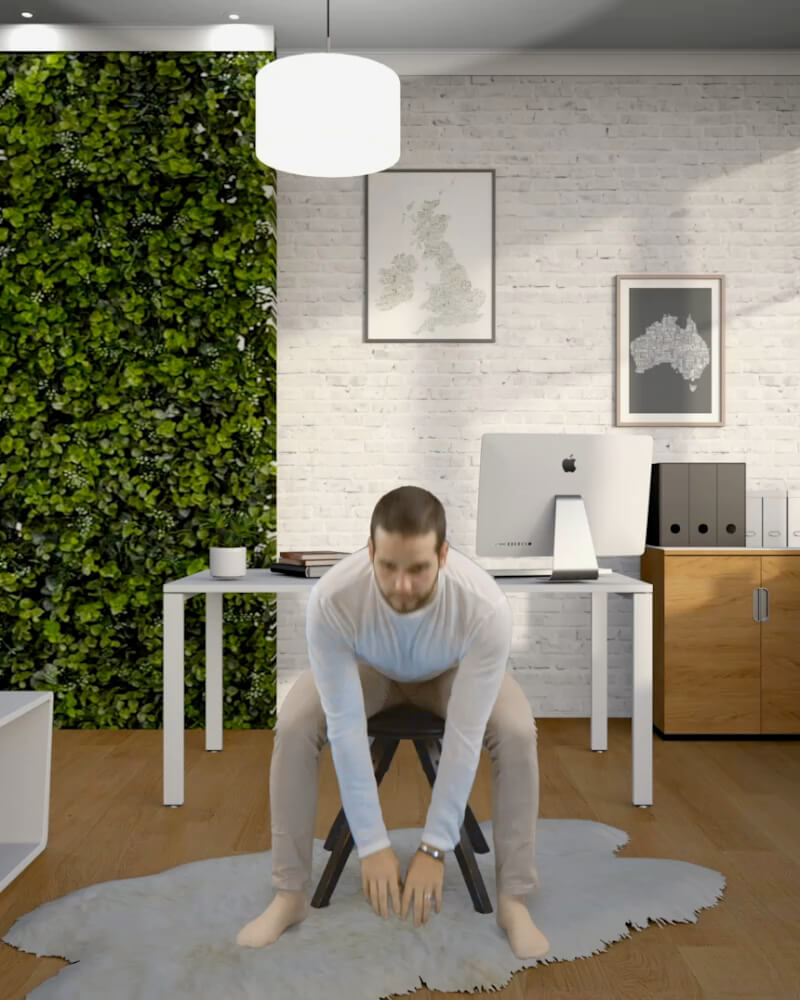 13 exercises
Sit And Stand
Dynamic movements transitioning between seated and standing positions.
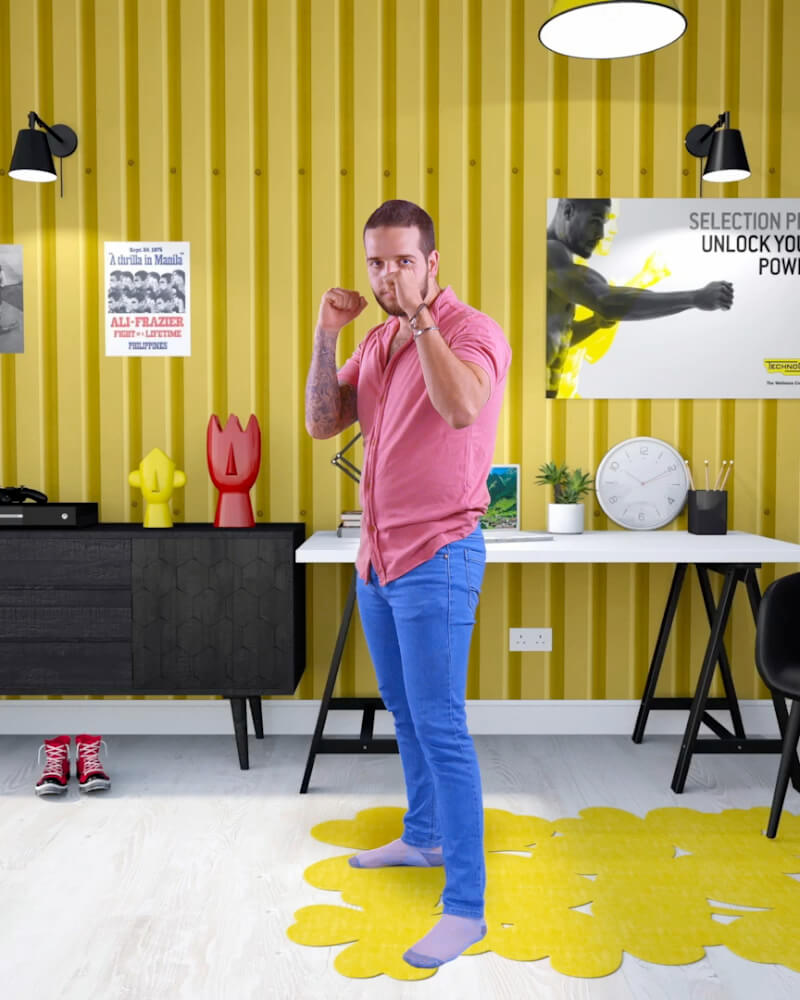 19 exercises
Standing Boxing
Upright boxing combinations that boost energy and confidence without equipment.
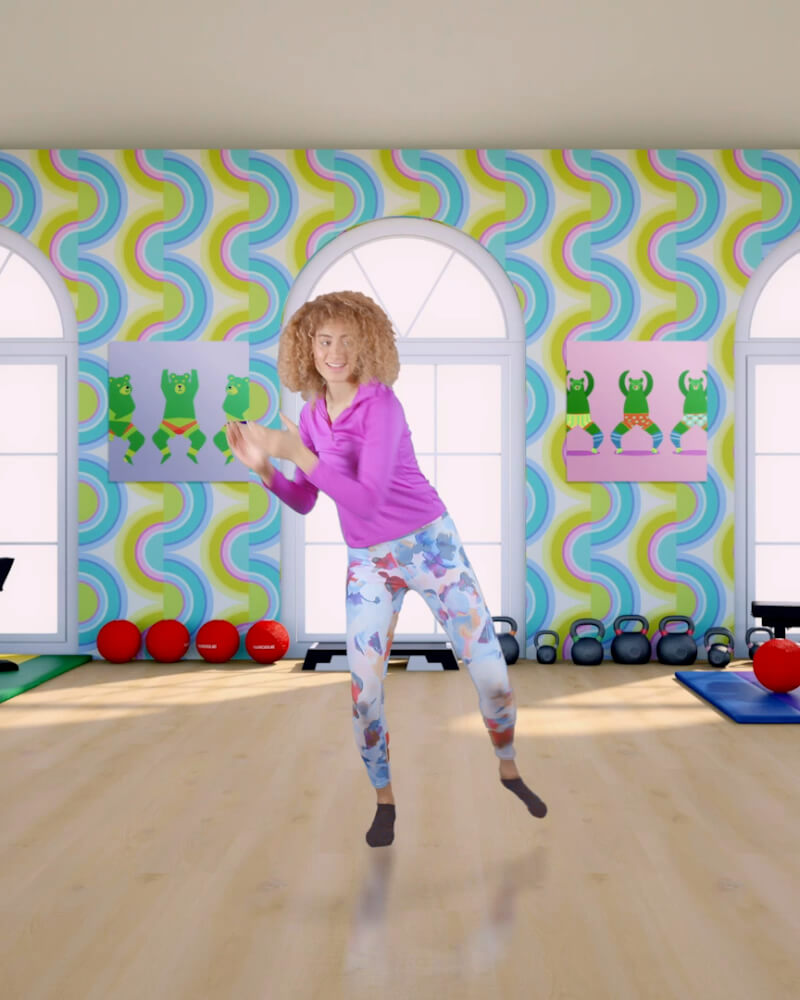 13 exercises
Funrobics
Retro 80s aerobics with upbeat movements updated for modern times.
Want the full routine?
Three minutes, guided by audio, in the iOS app. Or add Wakeout to Chrome — every new tab becomes a tiny movement break.