Wakeout pack — 41 exercises
Stairs
Turn your staircase into a versatile tool for energy-boosting exercises.
standingstairsmorning / midday41 exercises
30-second preview
Reach for this when…
You have a staircase handy and want to turn it into your own cardio and strength station for a few lively minutes.
Why this happens
Stair climbing is one of the most underrated movements available to the average adult. The biomechanics are specific: vertical displacement against gravity, repeated single-leg loading, and a cardiovascular demand that escalates faster than walking on flat ground. Six flights of stairs equals roughly a mile of level walking in energy cost. The reason stair climbing shows up in longevity research (a recent large-cohort study linked regular stair use to reduced cardiovascular mortality) is that it hits both aerobic conditioning and lower-body strength simultaneously — a combination most forms of movement don't deliver. This pack treats a home staircase as functional gym equipment. Some movements use the stairs as cardio (sprints, skip-step climbs), others use them as a strength station (calf raises on the edge, step-ups, elevated pushups). The format assumes you have a standard home staircase and a few minutes — not a CrossFit box or formal gym. Short rounds between work blocks add up surprisingly fast across a week.
About this routine
Best for anyone with a home staircase who wants real cardio and strength without leaving the house. Requires stairs, stable footing, and a railing if you have balance concerns. Skip if you have knee, hip, or ankle injuries that flare with loaded flexion, if you're pregnant and have been advised against high-impact movement, or during acute cardiovascular conditions. Safe for most healthy adults but intensity can climb fast — start conservative.
Use this pack when you need to…
Built for these moments
Make Me Stand Up
Higher-intensity moves that get you up on your feet, from sit-to-stand flows to moves for your standing desk.
Why this pack: Your staircase is waiting, and moves like Fast Steps, Double Jumps and Burpees get you up on your feet with jumping and cardio that feels like play.
Activate My Legs
Higher-intensity leg moves, seated or standing, including kicks, sit-to-stands and office chair moves that put your legs to work.
Why this pack: Climbers, Deep Jumping Squats, Lunges and Froggy Step Ups build leg strength and give your legs a bouncy wake-up call, one stair at a time.
Engage My Hips
Hip exercises, leg stretches, kicks and Pilates-style moves that get your hips and legs happily in motion.
Why this pack: Every Double Step Up, Kickback Step and Knee Up gets your hips and legs working together as you step, climb and jump your way through some leg strength.
Gain Mental Clarity
Cardio moves like punches, kicks, jumps and desk pumps that send oxygen through your blood and leave your head feeling clearer.
Why this pack: Fast Steps, Joint Feet Jumps and Heavy Steps bring a burst of jumpy cardio that pumps oxygen into your blood, a lovely way to clear your head.
Frequently asked
What people ask about stairs
Is stair climbing actually good cardio?
Stair climbing delivers high-intensity cardiovascular stimulus efficiently — more per minute than flat walking and often comparable to jogging at a similar perceived effort. A recent large-cohort study associated regular stair climbing with lower cardiovascular mortality, and shorter studies consistently show improvements in VO2 max from short, frequent stair bouts. The vertical load component also recruits more muscle mass than walking, which is partly why the cardiovascular demand is higher.
How many flights of stairs a day is enough?
Research on stair climbing suggests noticeable cardiovascular benefit from roughly 6 to 10 flights daily, spread across the day. A single long session isn't required — shorter bursts of 30 to 60 seconds have been shown to improve fitness when done several times a day. This is convenient because most people have stairs available and can build in small climbs without planning a workout.
Will stair climbing hurt my knees?
Healthy knees generally tolerate stair climbing well, but descending stairs produces higher loading forces than climbing up — about 3 to 4 times bodyweight on each step down. If knees are already sensitive, prioritize going up (use an elevator down if available) and avoid adding impact movements like skip-steps until any pain resolves. If stairs consistently cause knee pain, that's a signal for a physical therapist, not a reason to push through.
Can I build leg strength using just stairs?
Yes, stairs are effective for lower-body strength, particularly for the quadriceps, glutes, and calves. Step-ups, single-leg calf raises on the stair edge, and weighted climbs all develop real strength over time. Stairs won't replace a squat rack for peak strength development, but for most people looking to maintain or modestly improve lower-body function, they're more than enough — and far more accessible than a gym.
Is running up stairs better than slow climbing?
Faster climbing produces higher cardiovascular demand per minute, but slow climbing with good form still produces meaningful benefit and is safer for joint and balance-impaired users. The best answer depends on your goal: for cardio, faster wins; for strength, slower with more control (especially on descent) is often better. Variety works well — a mix of speeds across the week hits different adaptations.
You might also like
Packs built for the same body, a slightly different moment.
 13 exercises
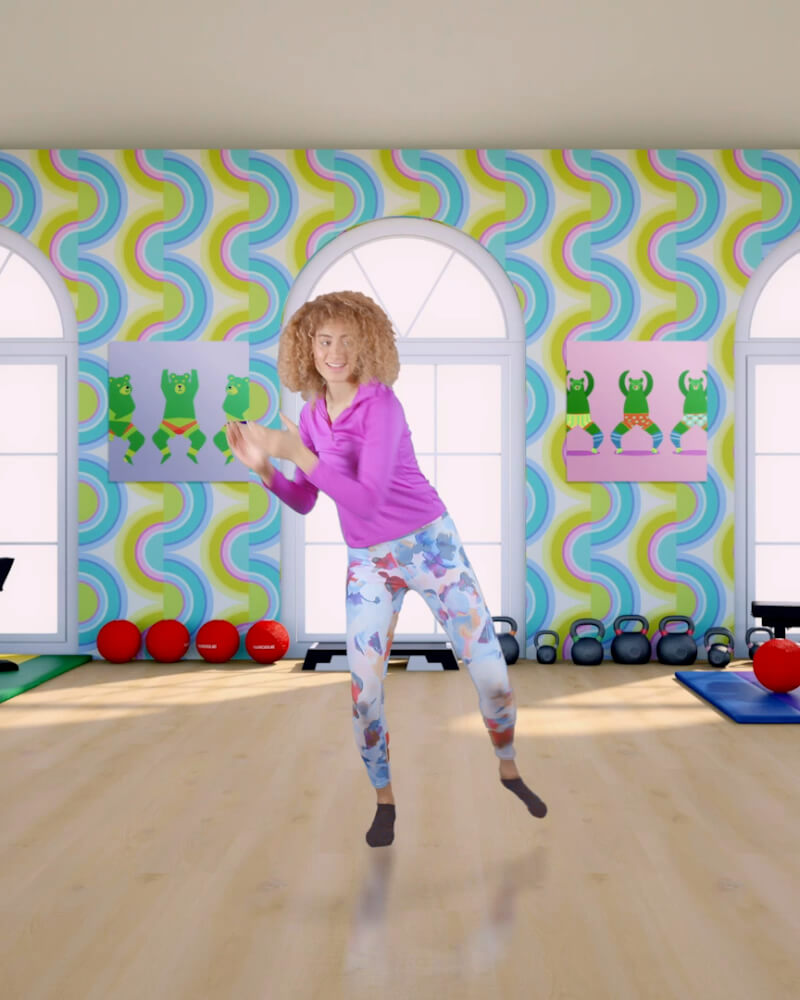
Funrobics
Retro 80s aerobics with upbeat movements updated for modern times.
 61 exercises
Park
Exercises designed for park benches and open areas to connect with nature.
 13 exercises
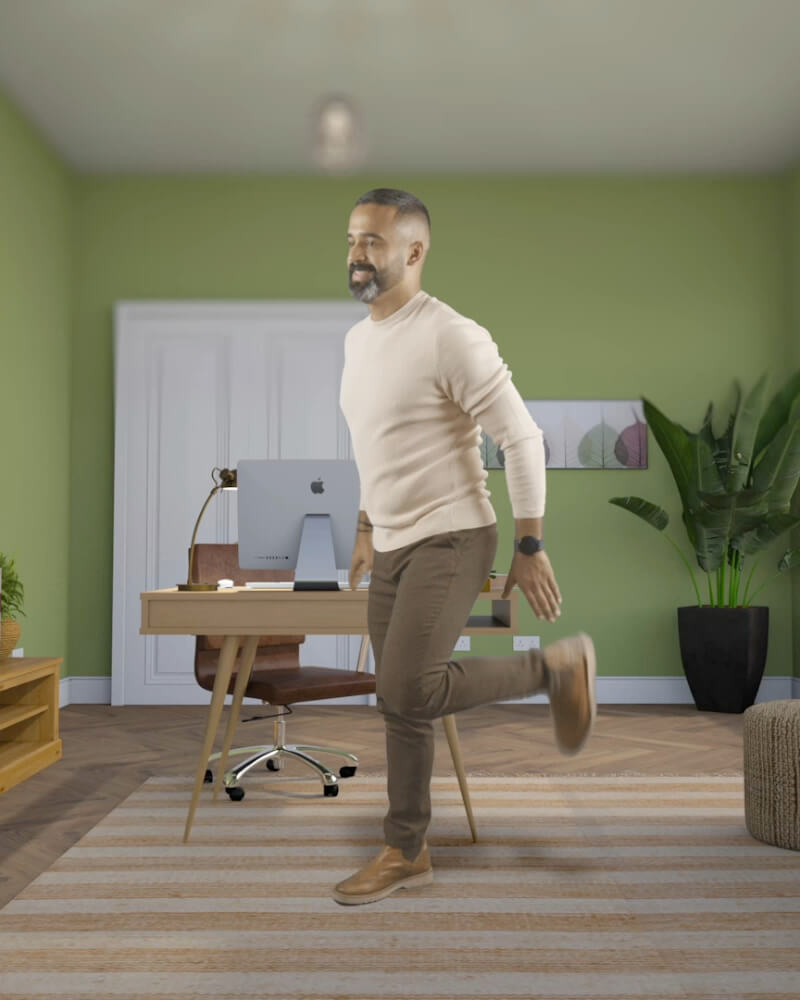
Fun Kicks
Playful kicking movements that energize your legs and promote lower body circulation.
 13 exercises
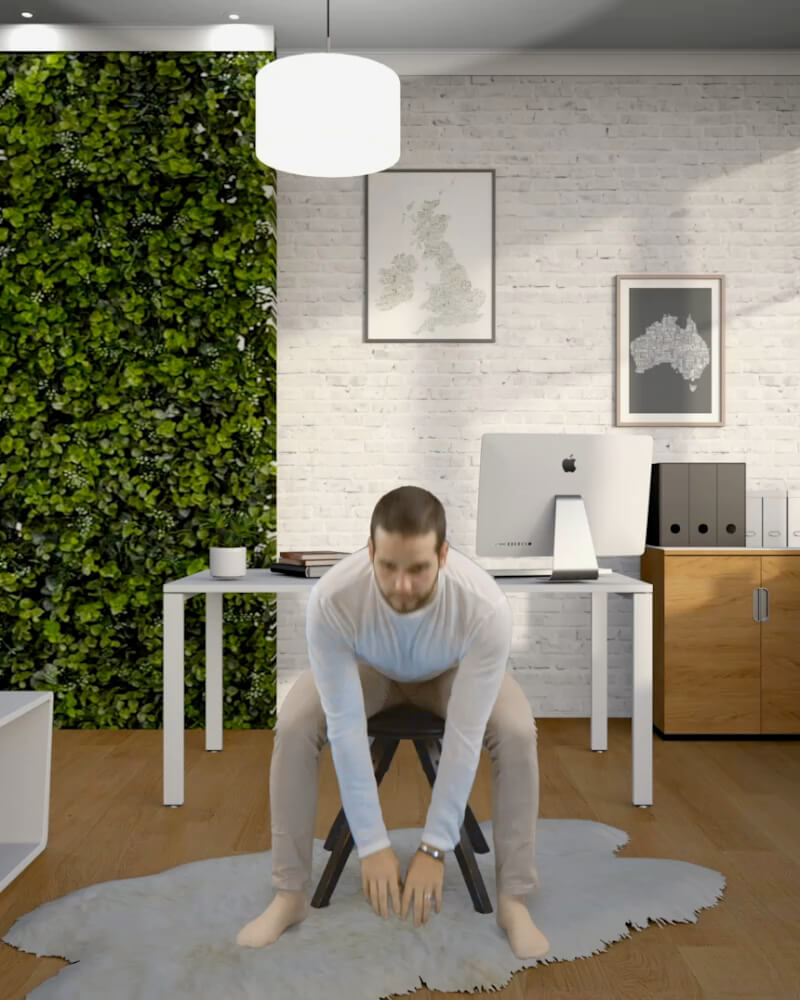
Sit And Stand
Dynamic movements transitioning between seated and standing positions.
 49 exercises
Walking
Add groovy movements to your walking rhythm for an engaging exercise routine.
Want the full routine?
Three minutes, guided by audio, in the iOS app. Or add Wakeout to Chrome — every new tab becomes a tiny movement break.