Wakeout pack — 49 exercises
Walking
Add groovy movements to your walking rhythm for an engaging exercise routine.
standingoutdoorsmorning49 exercises
30-second preview
Reach for this when…
You're out on a walk and want to add some rhythm, fresh moves and a bit of play to every step.
Why this happens
Walking is already one of the best things you can do for your body. It's Zone 2 cardio for most people, meaning the heart-rate range where mitochondria adapt, fat oxidation improves, and the cardiovascular system quietly builds capacity without accumulating fatigue. What a standard walk misses is movement variety. The gait pattern is the same every step: same stride length, same arm swing, same hip rotation. Over time the body adapts, stops being challenged, and the walk becomes purely maintenance. Adding deliberate variation, lateral steps, arm reaches, torso rotations, balance challenges, reintroduces mechanical diversity and gives the nervous system something to do. It also moves the walk from a background task into a focused one, which research on novel movement patterns suggests improves cognitive engagement and attention. This pack is built to overlay onto an existing walk, not replace it. Most people finish feeling like they worked more than they would from the same distance walked straight.
About this routine
Best layered onto an existing walk, outdoors or on a treadmill, when you want to add variety without extending the duration. Skip if you have balance issues, recent ankle or knee injury, or are walking in tight crowds where extra arm and torso movement won't fit. Safe during pregnancy within your usual walking capacity. None of this replaces structured training, but it turns a regular walk into something that challenges the body more broadly.
Use this pack when you need to…
Built for these moments
Make Me Stand Up
Higher-intensity moves that get you up on your feet, from sit-to-stand flows to moves for your standing desk.
Why this pack: Every move here happens on your feet, from Backward Walk to Happy Skip, and cardio bits like Double Skip give you a livelier reason to get up.
Activate My Legs
Higher-intensity leg moves, seated or standing, including kicks, sit-to-stands and office chair moves that put your legs to work.
Why this pack: Walking is already all legs, and groovy add-ons like High Kick March, Forward Squat and Hopscotch turn up the cardio so your legs really wake up.
Engage My Hips
Hip exercises, leg stretches, kicks and Pilates-style moves that get your hips and legs happily in motion.
Why this pack: Adding flair and rhythm to your stride with moves like Grease Lightning, Gorilla Step and 360 Steps gets your hips swinging along with your legs.
Gain Mental Clarity
Cardio moves like punches, kicks, jumps and desk pumps that send oxygen through your blood and leave your head feeling clearer.
Why this pack: Cardio walking moves like Happy Skip and Celebration get oxygen pumping into your blood, giving you a lift in energy and a clearer head.
Frequently asked
What people ask about walking
Is walking actually good exercise?
Yes, and underrated. For most untrained or moderately active people, a brisk walk falls into Zone 2 cardio, the heart rate range where mitochondrial density, fat oxidation capacity, and cardiovascular base all improve. It doesn't build strength or peak power, but for longevity markers and baseline health, daily walking is one of the most reliable interventions available. The main mistake is walking too slowly to reach Zone 2.
How many steps a day should I aim for?
The 10,000 step target is marketing, not science, but the direction is right. Research suggests meaningful health gains start around 4,000 to 7,000 steps a day and plateau somewhere around 8,000 to 12,000. Beyond that you're investing time for diminishing returns unless you enjoy the walk. Intensity matters too. 6,000 brisk steps beat 10,000 slow ones for cardiovascular benefit.
Why does my walk feel boring or repetitive?
Because it is, mechanically. Walking uses the same gait cycle step after step, which is efficient but cognitively and neurologically monotone. The brain habituates, the body adapts, and the walk stops producing novelty for either system. Adding variation, new paths, lateral movements, tempo changes, reintroduces challenge and re-engages the nervous system, which is part of why walks feel better when you're somewhere unfamiliar.
Is it better to walk fast or far?
Fast, for cardiovascular adaptation. Far, for total caloric expenditure and joint conditioning. For most people with limited time, intensity matters more. A 25-minute walk at a pace that makes conversation slightly effortful beats a 45-minute stroll for fitness markers. If time isn't the constraint, do both. A long slow walk has its own benefits, especially for stress and mental clarity.
Can walking replace running as exercise?
For most health outcomes, yes, if you walk enough and briskly enough. Running builds higher-end cardiovascular capacity and bone density faster, but carries more injury risk. Brisk walking, done daily, covers most of the longevity and metabolic ground that running does, with far lower wear on joints. Runners need walking days. Walkers rarely need running days to be healthy.
You might also like
Packs built for the same body, a slightly different moment.
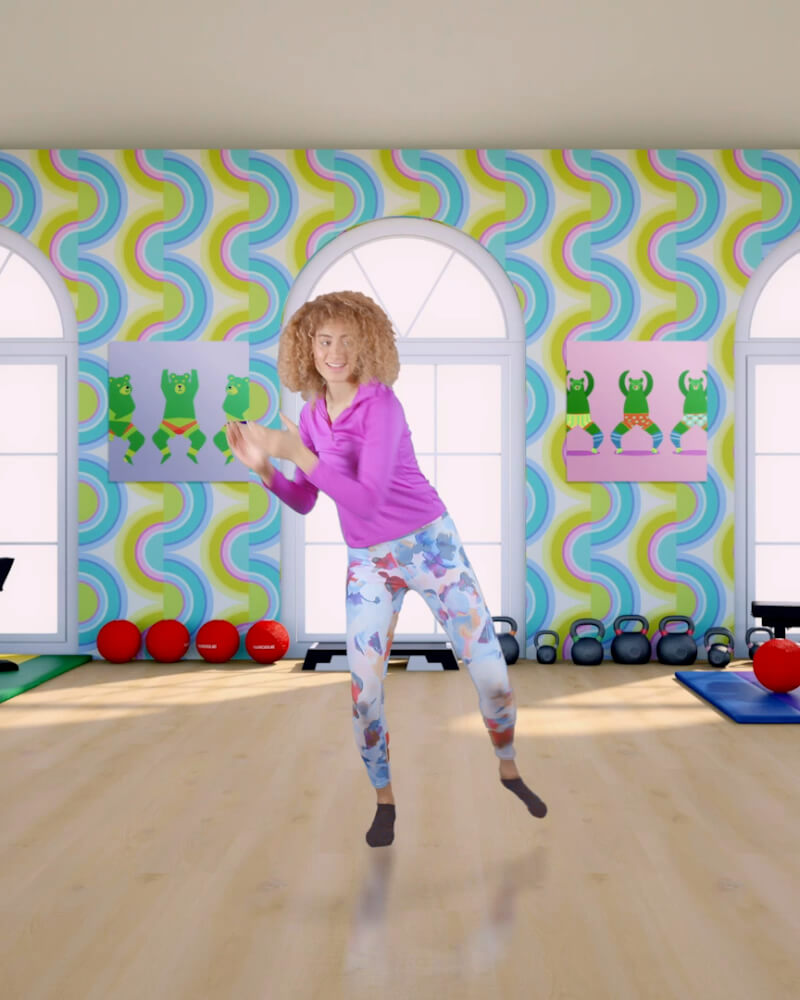 13 exercises
Funrobics
Retro 80s aerobics with upbeat movements updated for modern times.
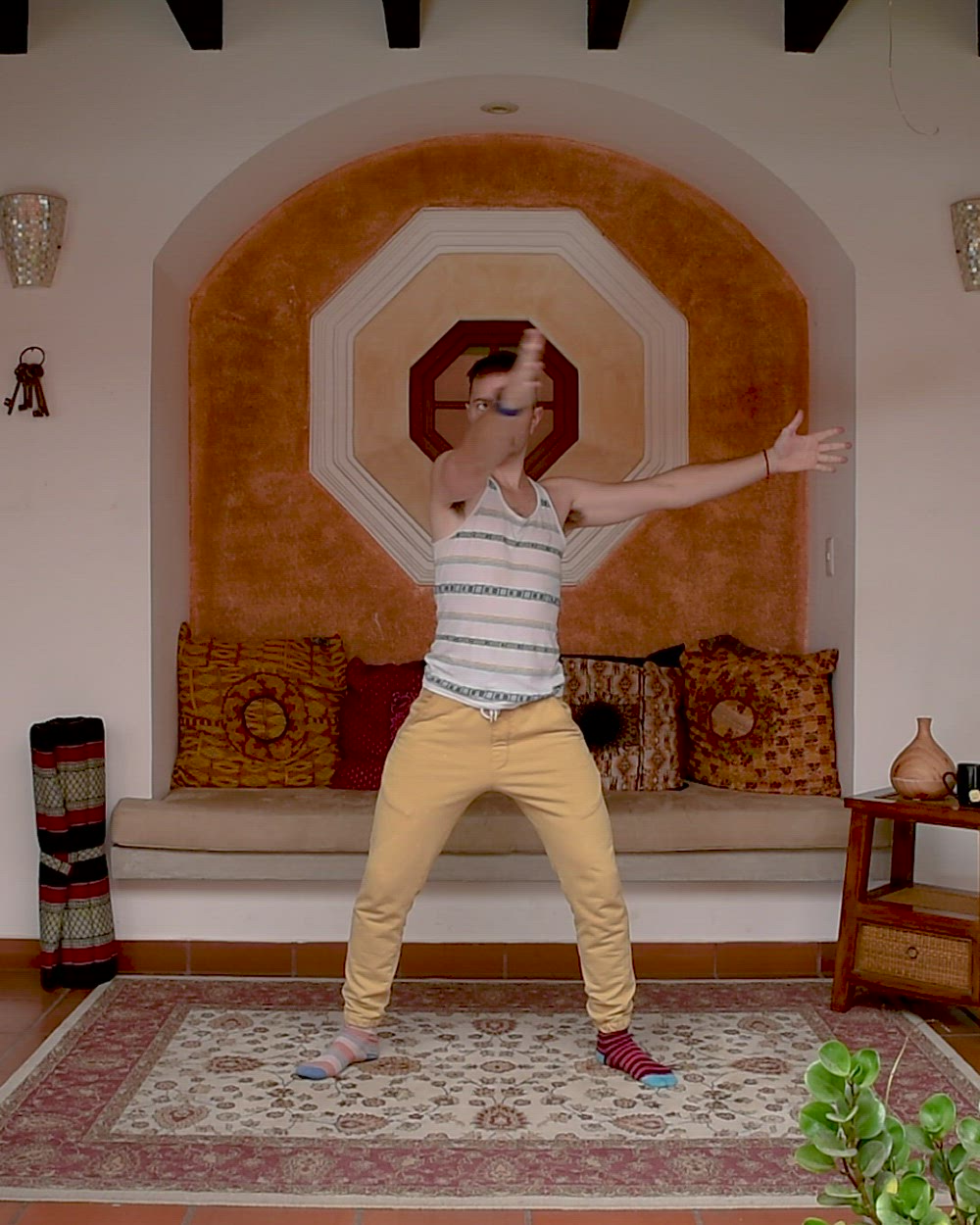 48 exercises
Morning Energy
Rhythmic qi gong and yoga movements for a coffee-free morning boost.
 14 exercises
Pajama Dance
Upbeat morning dance movements you can do in your pajamas.
 61 exercises
Park
Exercises designed for park benches and open areas to connect with nature.
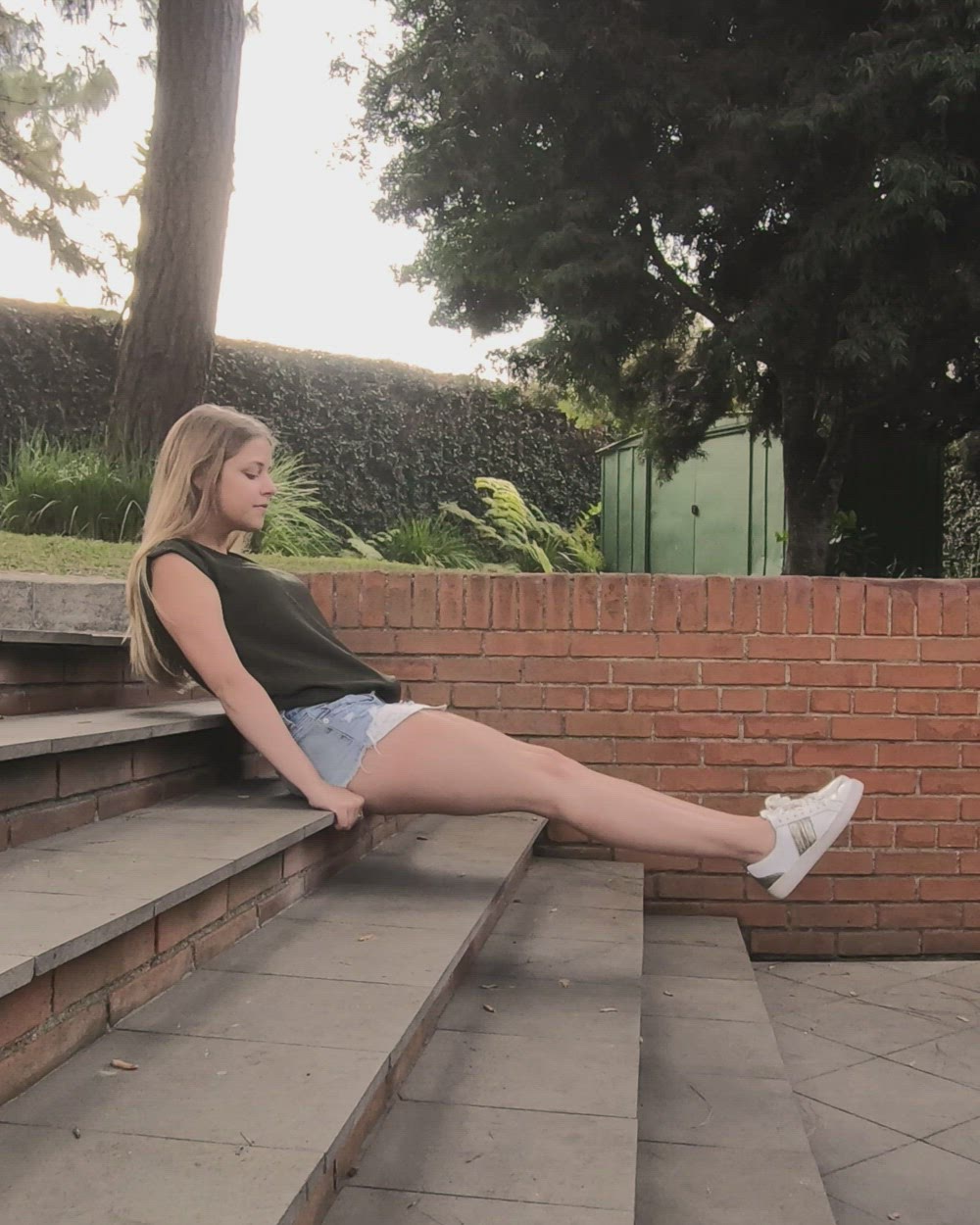 41 exercises
Stairs
Turn your staircase into a versatile tool for energy-boosting exercises.
Want the full routine?
Three minutes, guided by audio, in the iOS app. Or add Wakeout to Chrome — every new tab becomes a tiny movement break.