Wakeout pack — 21 exercises
Relieve Anxiety
Movement therapy with soothing audio guidance to calm mind and body.
standingliving roommorning21 exercises
30-second preview
Reach for this when…
Your morning starts with a racing mind and you want something gentle to move through, with a calm voice guiding each step.
Why this happens
Acute anxiety has a specific physiological signature: rapid shallow breathing, elevated heart rate, skeletal muscle tension in the chest and jaw, and a mind that feels one or two steps ahead of itself. Movement paired with audio guidance addresses two parts of that pattern at once. Gentle rhythmic movement provides mild sympathetic-to-parasympathetic regulation through vagal stimulation and increased circulation, while audio coaching offers cognitive distraction that pulls attention away from anxious thought loops and toward simple physical instructions. The effect is meaningful for the transient anxiety most people deal with — pre-meeting nerves, post-news-cycle spiral, a hard morning. This pack is not treatment. It's a tool that, used regularly, can take the edge off moments that would otherwise escalate. If anxiety is persistent, interferes with daily life, or involves panic attacks, this pack is not a substitute for professional care — it's an adjunct at best, and seeing a therapist or physician is the real answer.
About this routine
Best for transient, situational anxiety — before a meeting, after bad news, a spiraling morning. Standing, with audio guidance, about eight minutes. This is not a treatment for anxiety disorders, panic disorder, or PTSD. If you experience panic attacks, persistent anxiety that affects your sleep or work, or symptoms following trauma, please work with a licensed mental health professional — this pack can support that care but is not a replacement for it. Safe during pregnancy. If any movement increases distress, stop.
Use this pack when you need to…
Built for these moments
Improve Mood
Playful moves for when your mood dips at work, from dancing to pretend punches, kicks and a little fun with your office chair.
Why this pack: At work, calming movement therapy like Deep Breaths, Calming Waves and Self Embrace eases stress and anxiety, giving your mood a peaceful lift.
Frequently asked
What people ask about relieve anxiety
Does movement actually help anxiety, or is that just something people say?
Movement does help — the mechanisms are physiological and well-documented. Rhythmic exercise activates the parasympathetic nervous system through vagal stimulation, reduces circulating stress hormones, and increases the availability of GABA, the brain's main inhibitory neurotransmitter. For mild to moderate anxiety, consistent movement is comparable to some medications in effect size for long-term management. For acute anxious moments, the effect is more immediate but smaller — enough to take the edge off, not enough to resolve an anxiety disorder.
Is this pack enough if I have anxiety that's affecting my life?
No. If anxiety regularly interferes with your work, sleep, relationships, or daily function, please talk to a licensed therapist or physician. Generalized anxiety disorder, panic disorder, and trauma-related anxiety respond to specific evidence-based treatments (CBT, EMDR, medication when appropriate) that movement alone cannot replicate. This pack can be a useful piece of a broader approach — the 'do something in the moment' tool — but it is not treatment and should not be used as a substitute for professional care.
What should I do if I'm having a panic attack right now?
Panic attacks need specific grounding techniques, not movement routines. If you're in an active panic attack, please use techniques taught by clinicians: slow paced breathing (four seconds in, six seconds out), 5-4-3-2-1 sensory grounding, or cold water on the face to activate the dive reflex. If panic attacks are recurring, talk to a doctor or therapist — they're treatable, and no one should white-knuckle through them. This pack is for rising anxiety before it reaches panic, not for managing an attack already underway.
How is this different from antiStressMovementsAndBreathing?
Anti Stress Movements and Breathing is more meditative and breath-focused, pick it for general stress and nervous-system wind-down. relieveAnxiety is anxiety-specific, with audio coaching designed around cognitive distraction from anxious thought loops, and is coded for mornings when the anxiety is already there. Different tools for slightly different flavors of 'my nervous system is louder than I want it to be.'
How often should I do this pack?
For situational anxiety, as needed in the moment. For baseline anxiety management, daily consistency matters more than length — five to ten minutes a day of movement plus breath work will compound over weeks in a way that once-a-week longer sessions don't. That said, regular use of this pack alone is not a comprehensive anxiety-management plan. If anxiety is a meaningful part of your daily experience, please build this into a broader approach with a mental health professional.
You might also like
Packs built for the same body, a slightly different moment.
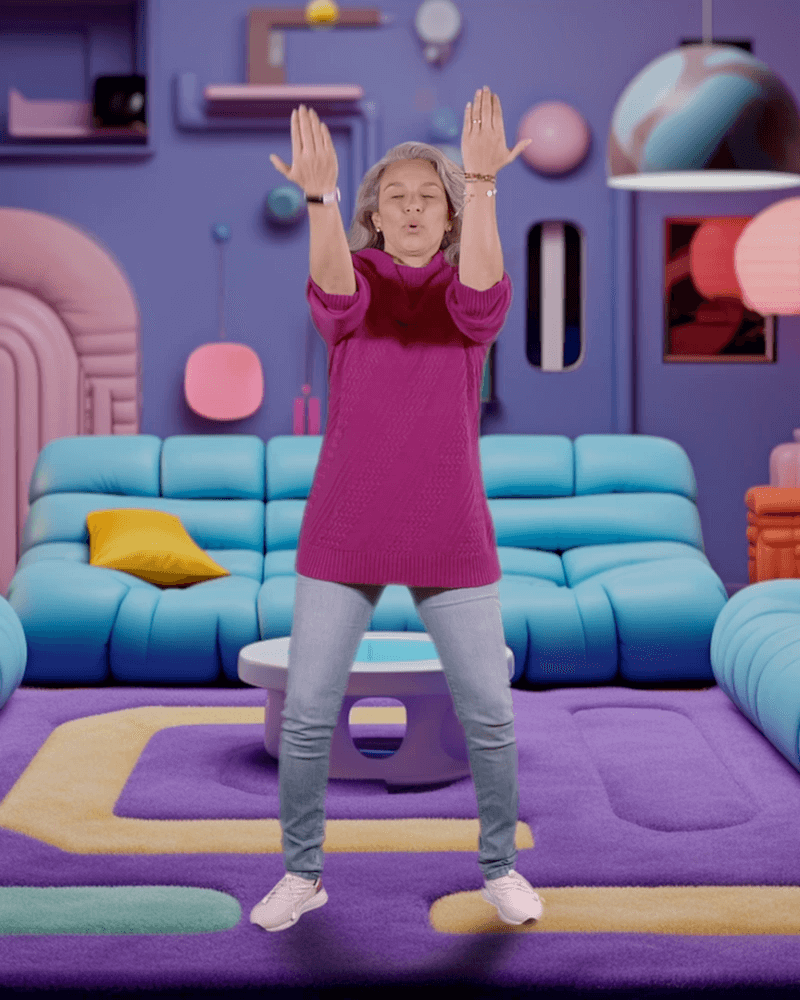 11 exercises
Anti Stress Movement & Breathing
Breathing exercises with meditative movements to reduce anxiety and increase mental clarity.
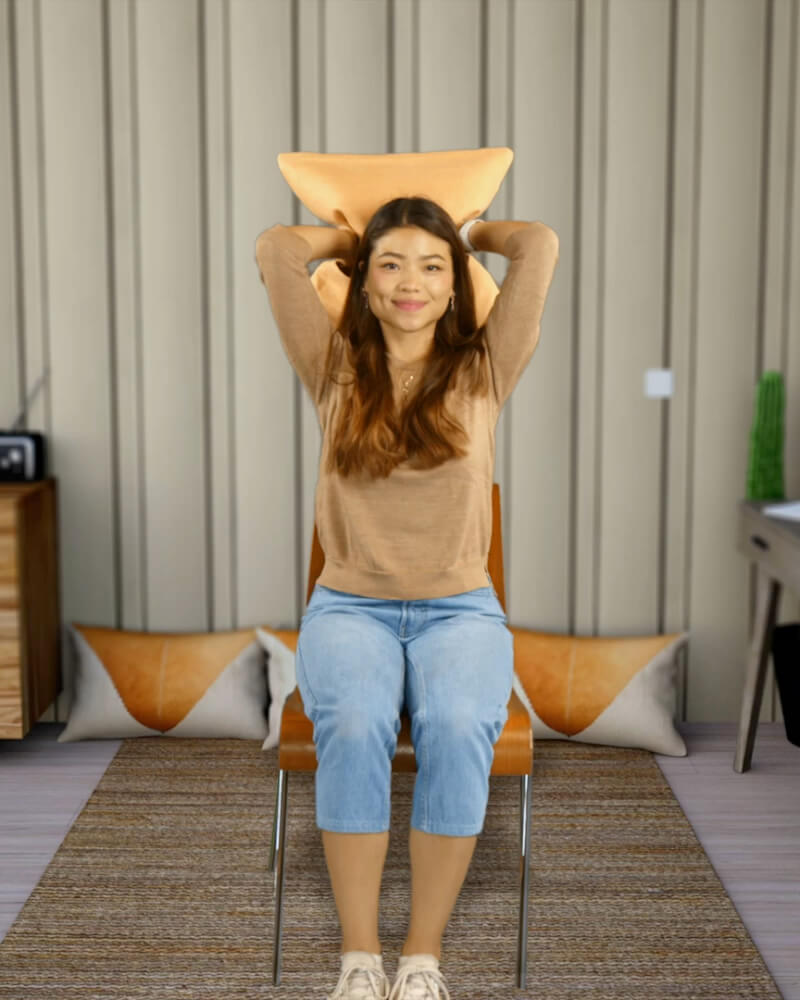 18 exercises
Cushion Fun
Playful seated movements using a cushion as an exercise prop.
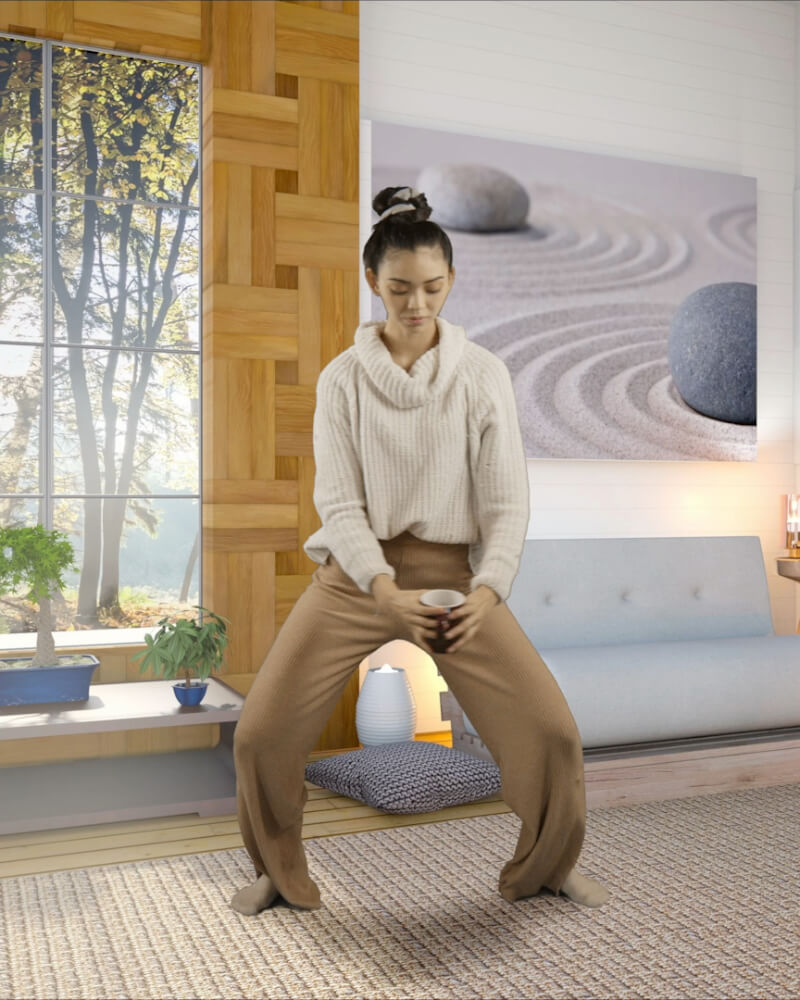 13 exercises
Coffee Tai Chi
Balance and coordination practice while holding your coffee cup.
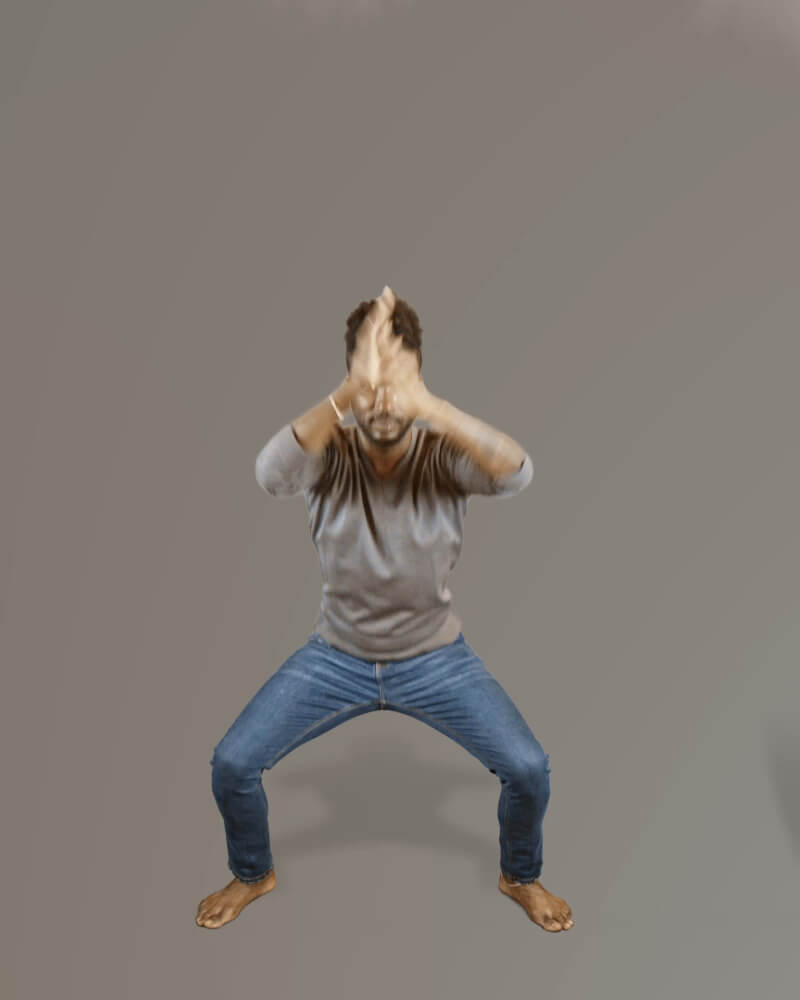 20 exercises
Confidence Booster
Empowering movements with affirmations that celebrate your body and build self-esteem.
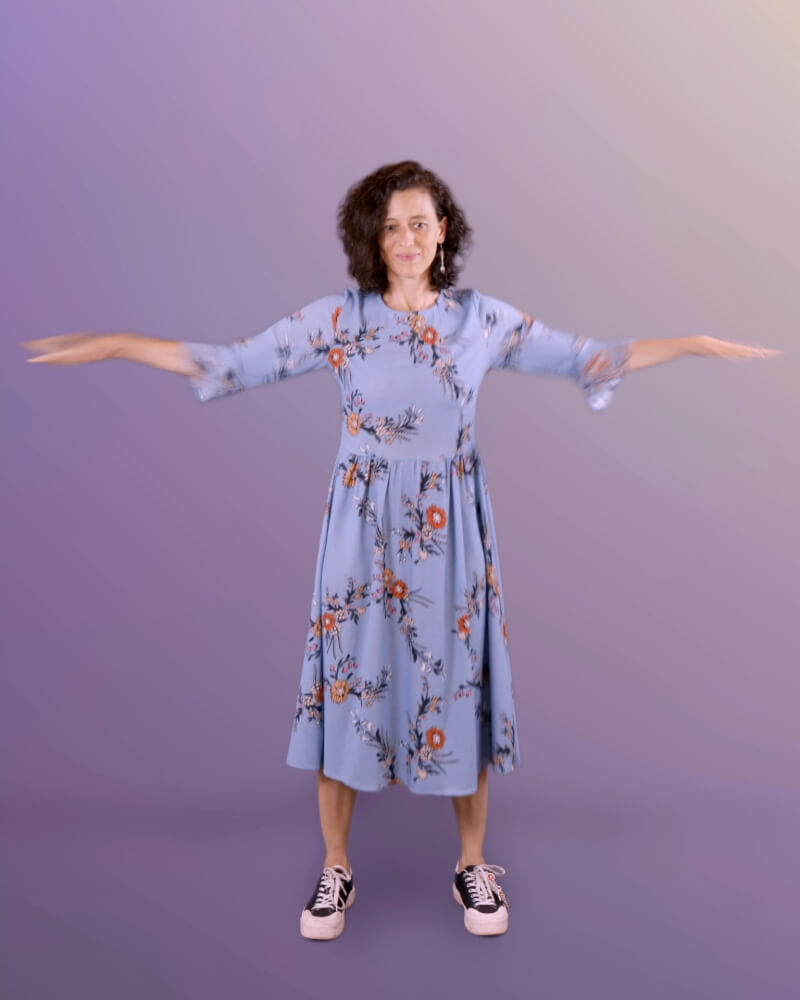 21 exercises
Ease Depression
Mood-lifting movements paired with supportive mental health messages.
Want the full routine?
Three minutes, guided by audio, in the iOS app. Or add Wakeout to Chrome — every new tab becomes a tiny movement break.