Wakeout pack — 11 exercises
Anti Stress Movement & Breathing
Breathing exercises with meditative movements to reduce anxiety and increase mental clarity.
standingliving room / bedroommidday / eveningdo anywhere11 exercises
30-second preview
Reach for this when…
You feel wound up midday or in the evening and want to breathe it out on your feet, no lying down required.
Why this happens
Acute stress hijacks the autonomic nervous system — sympathetic tone rises, breath becomes shallow and clavicular, and the body rehearses for a threat that usually isn't physical. The fastest non-pharmacological way to reverse this is extending the exhale. When exhale is longer than inhale, baroreceptors in the aorta and carotid arteries signal the vagus nerve, which activates the parasympathetic branch and drops heart rate within seconds. This is the mechanism behind box breathing, physiological sighs, and most credible breathwork protocols. This pack pairs that breath pattern with slow, standing movement — the shoulder raises, side-to-side rocks, and arm extensions act as a cadence for the breath, so you don't have to count. It's built for the moments when sitting still with closed eyes feels impossible but a full walk won't happen. Standing, upright, eyes open, working nervous system down by roughly a gear per minute.
About this routine
Best when you're wound up but still need to be functional — midday anxiety, post-argument, before a difficult conversation. All movements are standing and slow enough that you can do them in office clothes without sweating. Skip if you're actively dizzy or have low blood pressure that worsens with deep breathing. Not a substitute for therapy or medication for clinical anxiety, but useful for the daily spikes most adults are navigating. None of this replaces medical care if panic symptoms are frequent or severe.
The routine
11 exercises in this pack
#
Cross Arms Breaths
Extended Hand Clinch Breaths
Head Raise Breaths
Head Supported Breaths
Push Out Breaths
5 more in this pack
Unlock the full routine.
The iOS app plays all 11 exercises in order, with audio cues, countdown, and a streak that keeps you honest.
Use this pack when you need to…
Built for these moments
Make Me Stand Up
Higher-intensity moves that get you up on your feet, from sit-to-stand flows to moves for your standing desk.
Why this pack: Get on your feet for intense breathing with Push Out Breaths and Side To Side Rocking Breaths, where the focus stays meditative rather than physically demanding.
Improve Mood
Playful moves for when your mood dips at work, from dancing to pretend punches, kicks and a little fun with your office chair.
Why this pack: Energizing breaths paired with flowing moves like Cross Arms Breaths and Superman Inhale And Exhales use the proven power of breathing to refresh and shift your mood.
Frequently asked
What people ask about anti stress movement & breathing
How does slow breathing calm anxiety?
Extending the exhale activates the parasympathetic nervous system through the vagus nerve, which slows heart rate and lowers blood pressure within a few breath cycles. Baroreceptors in the major arteries register the pressure drop during exhalation and signal the brainstem to reduce sympathetic output. This is measurable in heart rate variability data after as little as two minutes of 4-second-in, 6-to-8-second-out breathing. It's not a vibe — it's a hardwired reflex arc that anyone can deliberately trigger.
Why combine movement with breathing instead of just sitting still?
For some nervous systems, sitting still with eyes closed amplifies anxious signaling rather than settling it — the body wants to discharge the stress chemistry, not suppress it. Slow, rhythmic movement gives the sympathetic activation somewhere to go while the extended exhale does the parasympathetic work. Standing also keeps you alert, which matters for midday use when you still have meetings or tasks. It bridges fully active and fully still, which is where most acute stress lives.
Can I do this during a panic attack?
It can help, but choose the slowest movements and prioritize the breath. During acute panic, the body often over-breathes, which drops carbon dioxide and worsens symptoms like tingling and lightheadedness. Slower, longer exhales re-balance CO2 and reverse the spiral. If you have diagnosed panic disorder, this pack is a supplement to your treatment plan, not a replacement. Frequent or severe panic attacks warrant evaluation by a mental health professional.
How long before I feel the effect?
Heart rate and blood pressure typically drop within 60 to 90 seconds of extended-exhale breathing, and subjective calm usually follows within two to three minutes. The full pack runs longer because sustained practice consolidates the shift — dropping heart rate briefly is easy, keeping it down as you return to your day takes a few minutes of cumulative vagal tone. Most people feel a clear state change by the end of one round.
You might also like
Packs built for the same body, a slightly different moment.
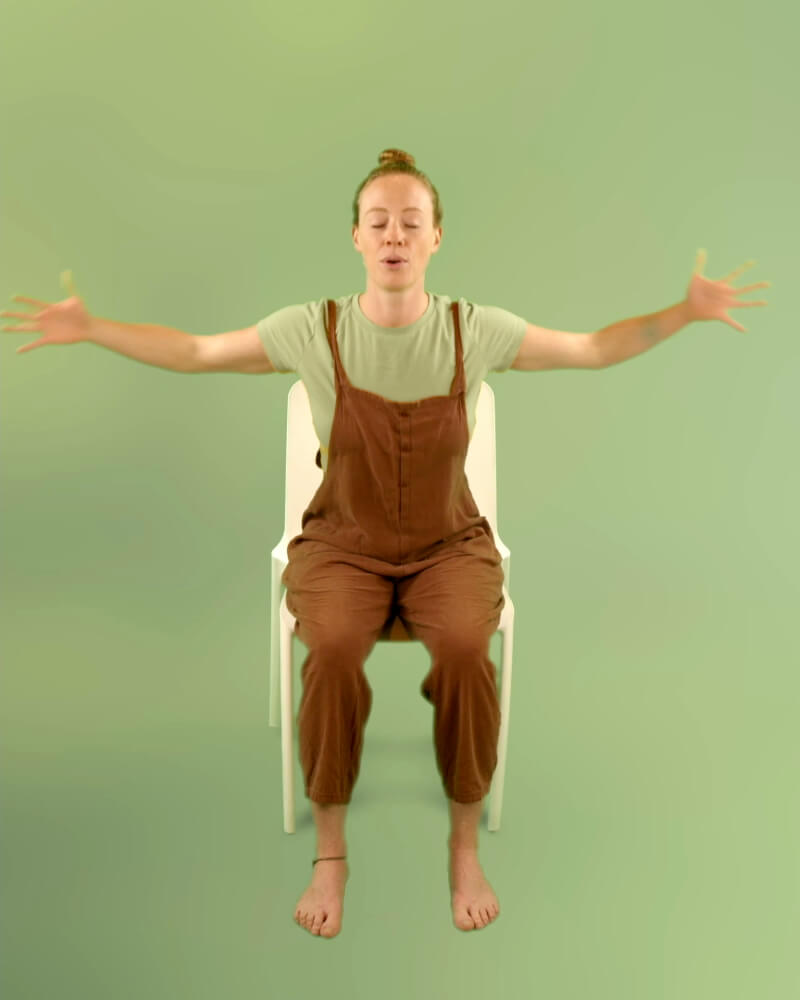 21 exercises
Relieve Anxiety
Movement therapy with soothing audio guidance to calm mind and body.
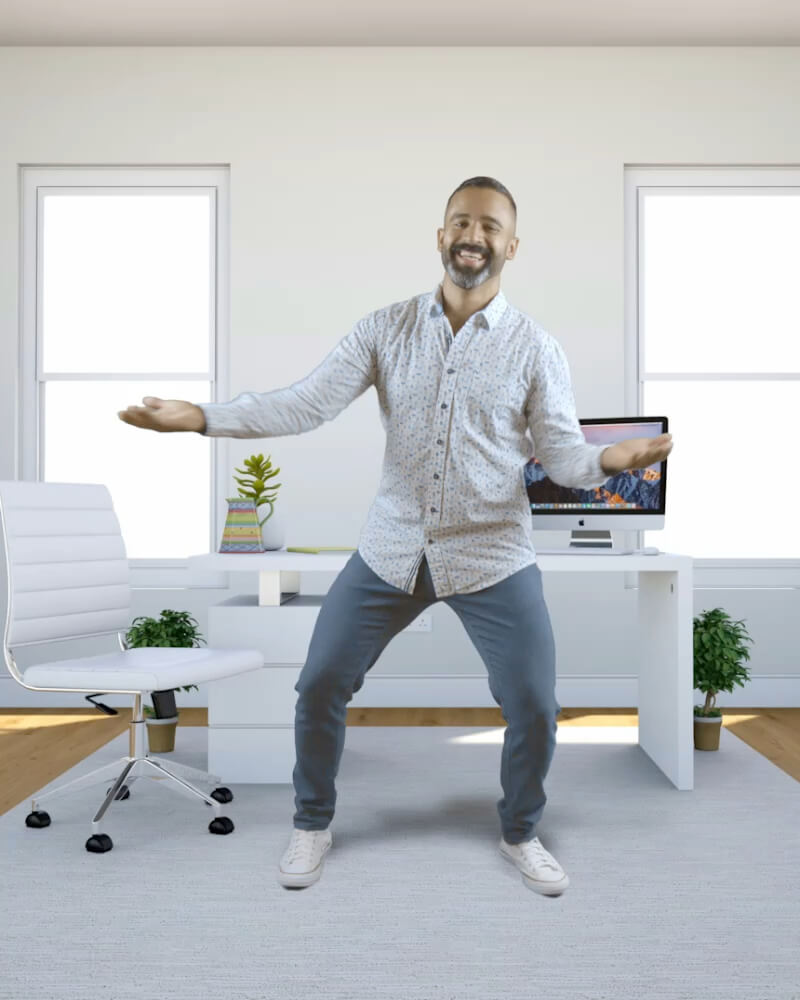 14 exercises
Dad Moves
Classic dad-inspired dance moves that combine humor with effective exercise.
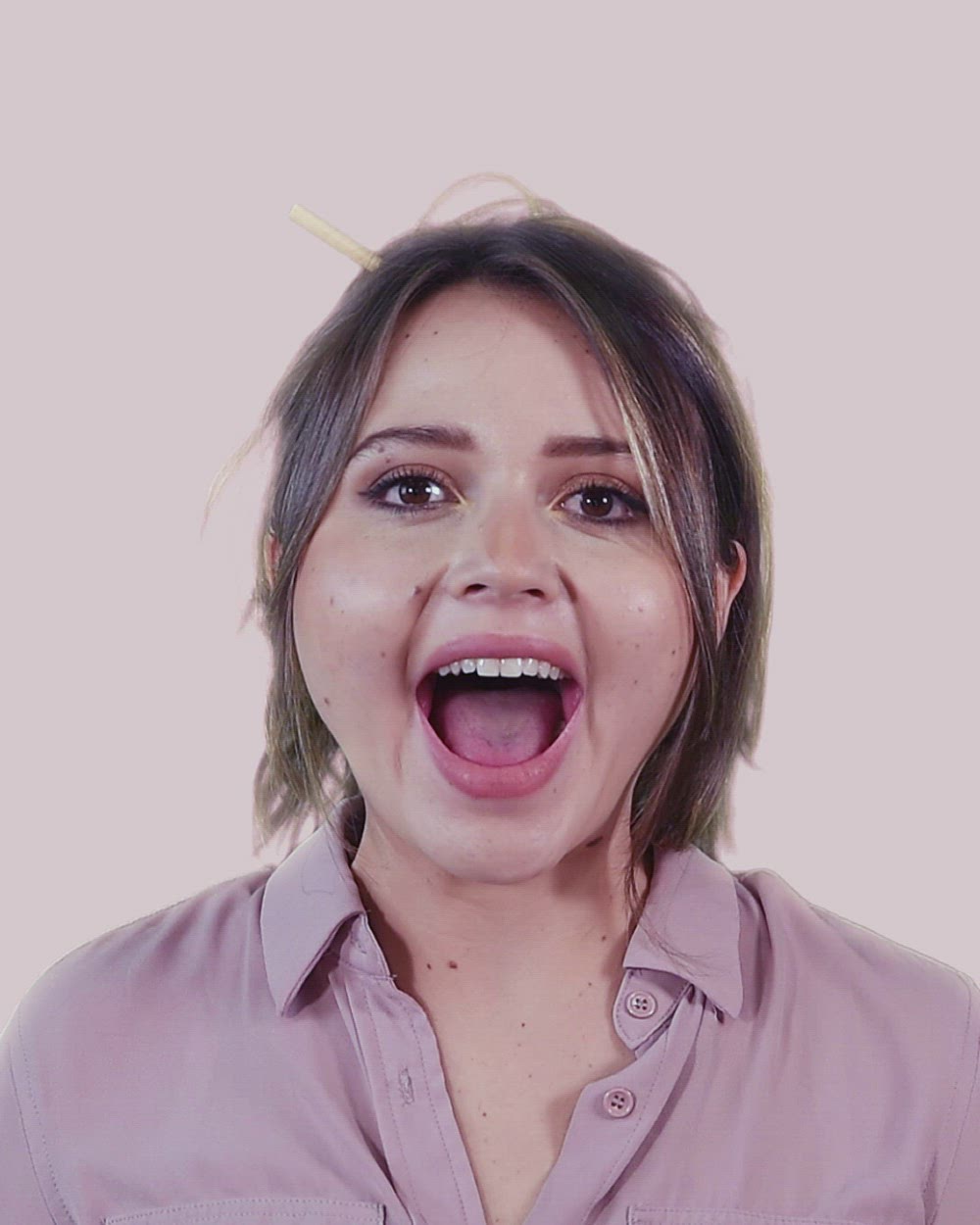 48 exercises
Face Yoga
Tone and energize facial muscles with targeted yoga-inspired exercises.
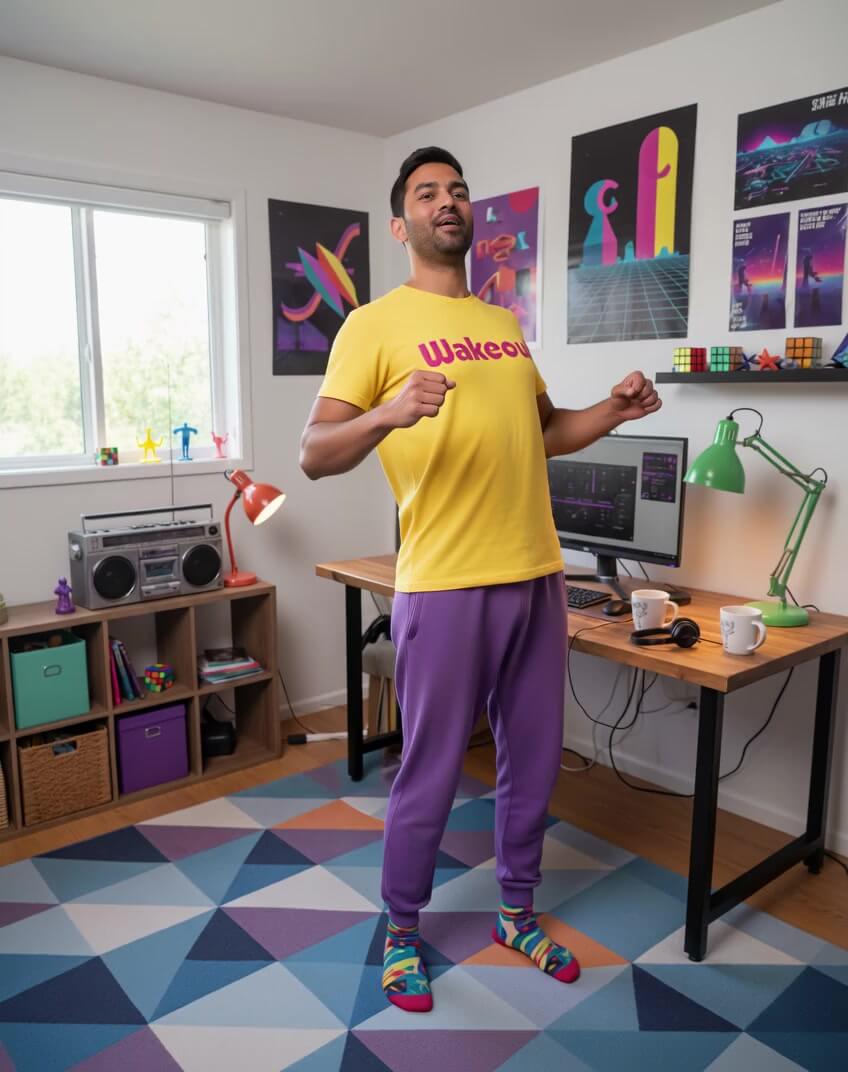 13 exercises
Post-Meeting Recovery
Release mental weight and tension after long Zoom sessions with refreshing movements.
 17 exercises
Balance Training
Standing exercises focused on balance and body awareness to prevent falls.
Want the full routine?
Three minutes, guided by audio, in the iOS app. Or add Wakeout to Chrome — every new tab becomes a tiny movement break.