Wakeout pack — 17 exercises
Balance Training
Standing exercises focused on balance and body awareness to prevent falls.
standingliving room / bedroommorning / middaydo anywhere17 exercises
30-second preview
Reach for this when…
You want to sharpen your balance and body awareness on purpose, not just loosen up with some general stretching.
Why this happens
Balance is a specific, trainable skill, and it decays faster than most people expect in a chair-bound life. The vestibular, visual, and proprioceptive systems that keep you upright all rely on regular input from standing on one leg, shifting weight, and reaching outside your base of support. Sitting most of the day gives them none of that. Falls are the leading cause of injury-related death for adults over 65, and the decline starts decades earlier — proprioceptive acuity drops measurably from the thirties onward if it isn't deliberately maintained. This pack targets the specific system, not generic mobility. Single-leg stands train the small stabilizers at the ankle and hip; knee raises with direction changes challenge the vestibular apparatus; heel-to-toe walks force the hip abductors to fire the way they do when you catch yourself mid-stumble. Twelve standing movements, no props, built around the kind of slow, precise challenges that actually move the needle on balance.
About this routine
Best for adults who sit most of the day, want to preserve balance as they age, or are recovering from an ankle injury and want to rebuild proprioception. Standing, needs a clear patch of floor near something sturdy to catch yourself on (chair back, counter, wall). Skip if you have acute vertigo, recent fall, or a diagnosed vestibular disorder without clearance from a physician. Progress only to harder movements when the easier ones feel stable. None of this replaces formal physical therapy after a fall or a diagnosed balance condition.
The routine
17 exercises in this pack
#
Airplane Balance Right
Foot In Front Balance Left
Foot In Front Balance Right
Heel To Toes
Knee Raise And Back Left
11 more in this pack
Unlock the full routine.
The iOS app plays all 17 exercises in order, with audio cues, countdown, and a streak that keeps you honest.
Use this pack when you need to…
Built for these moments
Make Me Stand Up
Higher-intensity moves that get you up on your feet, from sit-to-stand flows to moves for your standing desk.
Why this pack: Every move here happens on your feet, from Single Leg Stands to a Tippy Toe Walk, so it's a cheerful way to break up a long stretch of sitting.
Engage My Hips
Hip exercises, leg stretches, kicks and Pilates-style moves that get your hips and legs happily in motion.
Why this pack: Holding an Airplane Balance or a Lateral Raised Leg Hold asks your hips and legs to steady you, while Leg Swings and Knee Raises keep them moving.
Frequently asked
What people ask about balance training
Can I really improve my balance with just a few minutes a day?
Yes, and the evidence for this is strong. Proprioception and vestibular function respond quickly to targeted practice — studies on older adults show measurable improvements in single-leg stand time and reduced fall incidence after as little as 10 to 15 minutes a day for 8 to 12 weeks. The system is neurological as much as muscular, and the nervous system adapts fast to specific inputs. Frequency beats duration: daily short sessions beat twice-weekly long ones.
At what age should I start balance training?
Earlier is better, and the thirties are not too early. Proprioceptive acuity, single-leg stand time, and fast corrective reflexes all begin measurable decline in midlife, well before the falls that motivate most people to start. Training in your thirties and forties preserves the reserve capacity that matters in your sixties and seventies. If you're over 65 and haven't trained balance deliberately, starting now still produces meaningful improvement — the system responds at every age.
Are these exercises safe for older adults or people recovering from a fall?
The slower, supported movements (heel-to-toe walking, single-leg stands near a chair) are appropriate for most mobile older adults. Higher-challenge movements like the leg swings and unsupported knee raises require a stable baseline. If you've had a fall in the past year, have been diagnosed with a vestibular condition, or take medications that affect balance, work with a physical therapist before attempting unsupported single-leg work. Always keep a sturdy chair or counter within arm's reach.
How is balance training different from general mobility?
Mobility work lengthens and moves tissue through range; balance work trains the nervous system's ability to detect and correct positional errors. The overlap is minor. Mobility Range Extender improves joint range of motion, which is a separate capacity from detecting a weight shift and catching yourself. You need both, and one doesn't substitute for the other. This pack specifically trains the proprioceptive and vestibular systems that prevent falls.
You might also like
Packs built for the same body, a slightly different moment.
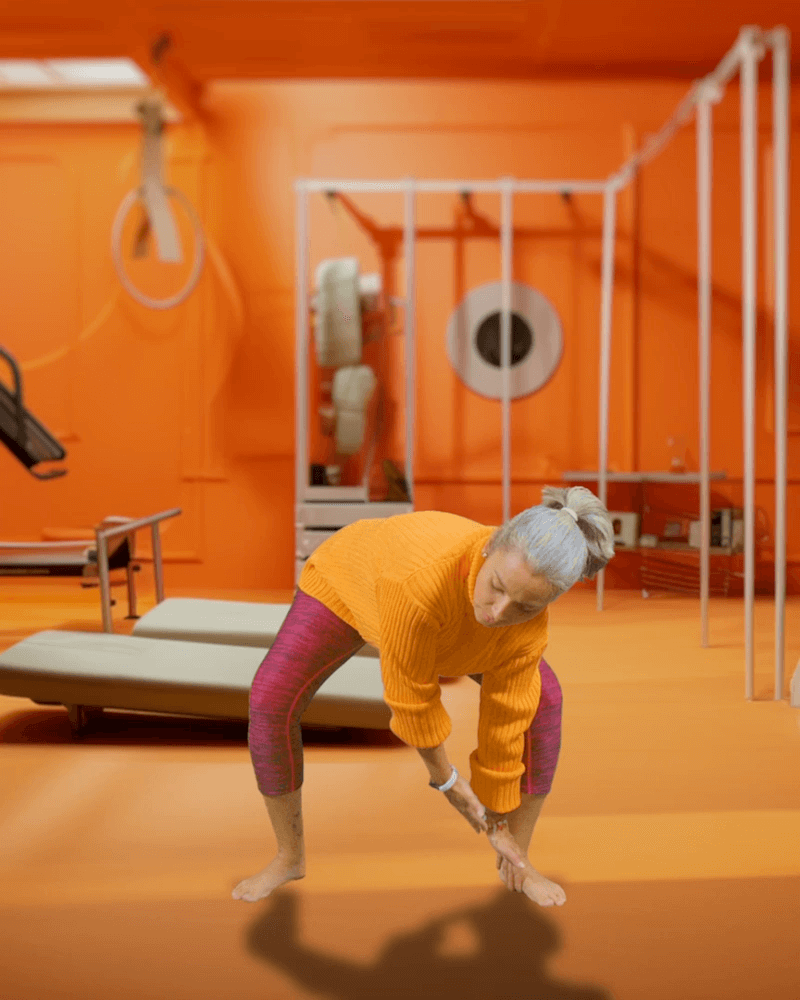 13 exercises
Mobility Range Extender
Delightful stretches targeting multiple body parts to expand range of motion.
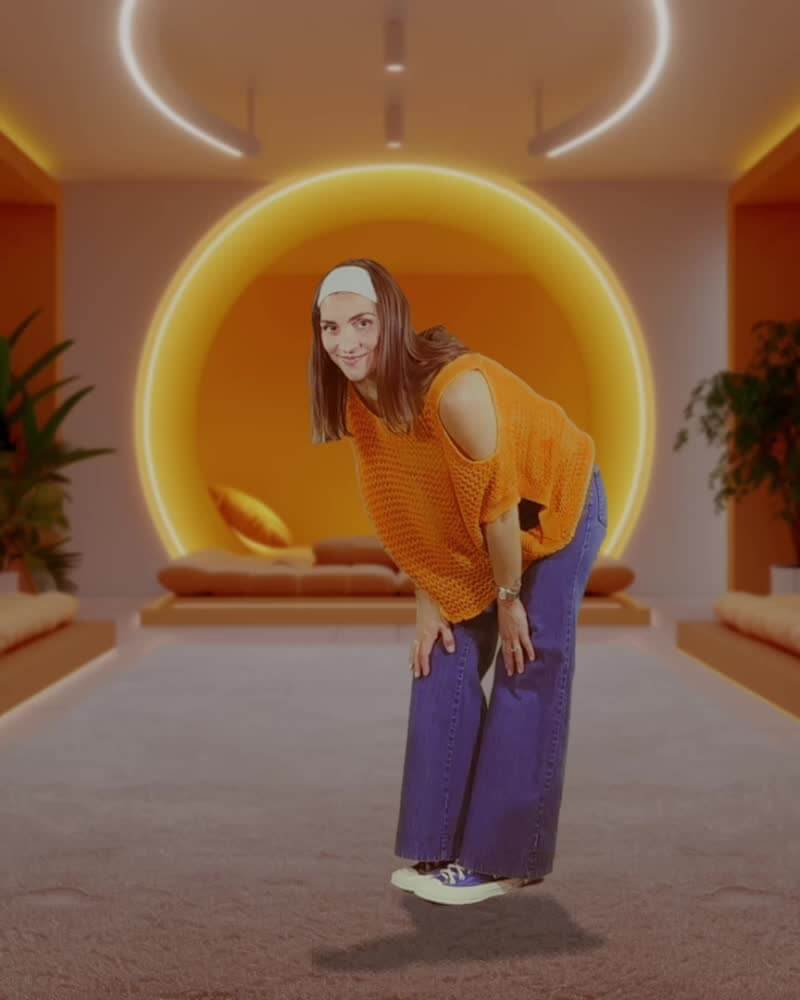 16 exercises
Knee Pain Relief
Gentle standing movements to reduce knee pain and improve joint mobility.
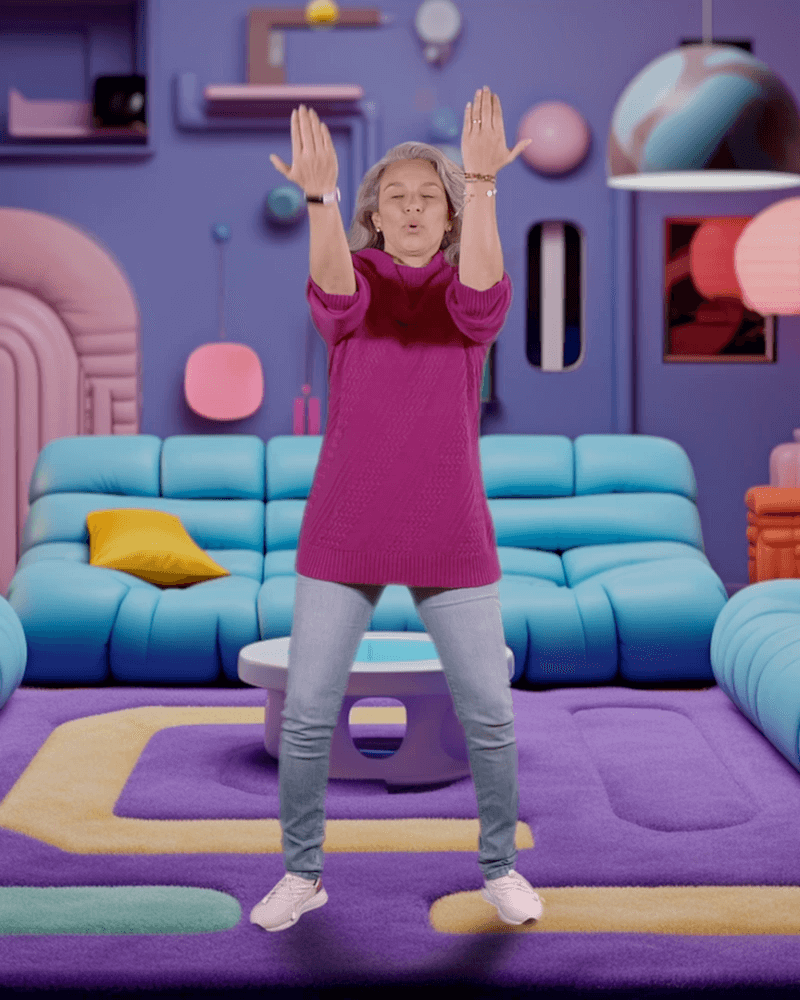 11 exercises
Anti Stress Movement & Breathing
Breathing exercises with meditative movements to reduce anxiety and increase mental clarity.
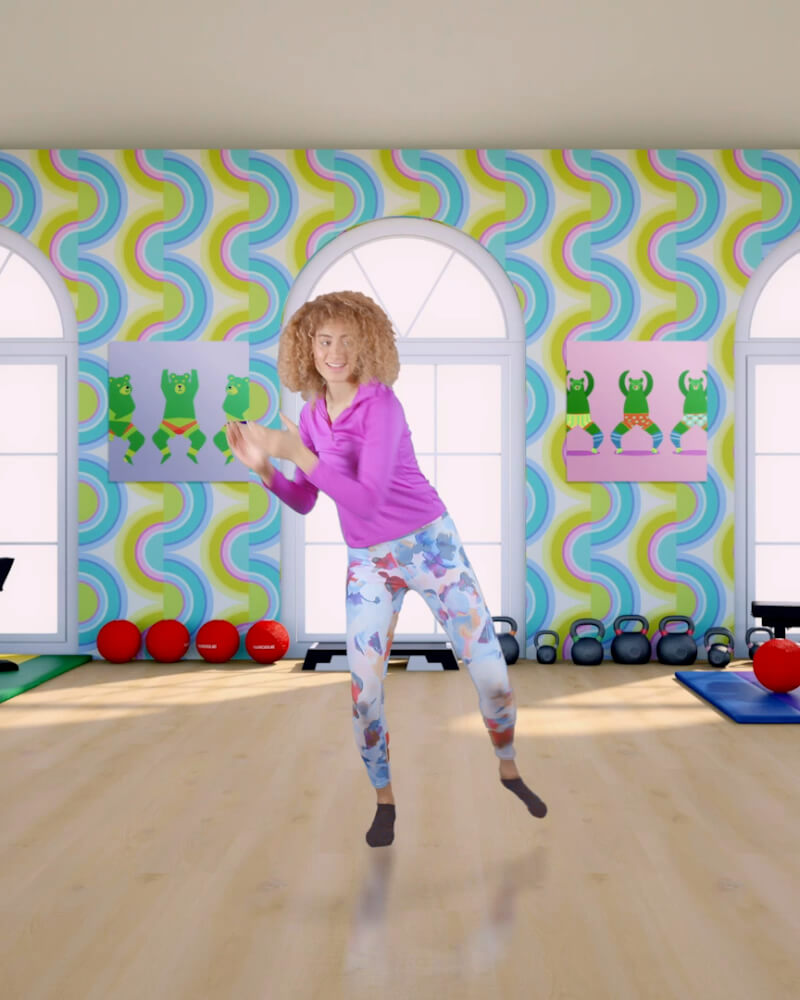 13 exercises
Funrobics
Retro 80s aerobics with upbeat movements updated for modern times.
 12 exercises
Lower Back Warm Up
Morning exercises to activate and protect lower back muscles.
Want the full routine?
Three minutes, guided by audio, in the iOS app. Or add Wakeout to Chrome — every new tab becomes a tiny movement break.