Wakeout pack — 16 exercises
Knee Pain Relief
Gentle standing movements to reduce knee pain and improve joint mobility.
standingliving roommorning / eveningdo anywhere16 exercises
30-second preview
Reach for this when…
Your knees feel creaky after a run, a long stretch on your feet, or those first stiff steps of the morning.
Why this happens
Knee pain at rest or on the first few steps of the day is usually not a torn-anything problem. For most people it is a combination of three things: patellar tracking that has drifted sideways because the vastus medialis weakened, a quad-hamstring imbalance that loads the joint unevenly, and poor synovial fluid distribution after hours of sitting with the knee bent. The joint is designed to move — synovial fluid circulates only when the knee cycles through its range, and the surrounding soft tissue stays supple only under regular low-load work. This pack is built to restore that. Gentle flexion-extension cycles, tracking drills, and quad-hamstring balance work that together help the joint feel less creaky without provoking it. The movements are low-load and slow — the opposite of what the knee does on a run or a deep squat.
About this routine
Best for general stiffness, post-run creak, post-sitting morning knees, and mild tracking discomfort — the kind of knee ache that most desk workers and weekend athletes carry. Mostly standing with light support available. Skip this pack if you have a known or suspected meniscus tear, recent knee surgery, sharp locking or giving-way symptoms, or significant swelling — those need medical evaluation, not a mobility routine. This is a self-care set for stable knees with wear-and-tear symptoms, not a treatment for structural injury.
The routine
16 exercises in this pack
#
Ballerina Squat
Quadriceps Stretch Left
Quadriceps Stretch Right
Knee Circles Left
Knee Circles Right
10 more in this pack
Unlock the full routine.
The iOS app plays all 16 exercises in order, with audio cues, countdown, and a streak that keeps you honest.
Use this pack when you need to…
Built for these moments
Make Me Stand Up
Higher-intensity moves that get you up on your feet, from sit-to-stand flows to moves for your standing desk.
Why this pack: Every move happens on your feet, from Ballerina Squats to Supported Lunges, giving you knee-friendly effort that makes standing breaks a habit worth keeping.
Engage My Hips
Hip exercises, leg stretches, kicks and Pilates-style moves that get your hips and legs happily in motion.
Why this pack: Your knees never work alone, so Shifting Squats, Supported Lunges and Leg Curls get your hips and legs moving together the way they naturally like to.
Frequently asked
What people ask about knee pain relief
Why do my knees hurt when I stand up after sitting?
Synovial fluid and soft-tissue behavior are the usual culprits for that first-step ache. A knee held flexed for an hour or more has compressed its posterior tissue and distributed fluid unevenly; the joint needs a few movement cycles to redistribute that fluid and restore glide. Mild weakness in the vastus medialis and tight hamstrings make the sensation worse because they pull the kneecap off-track. Gentle, slow flexion-extension cycles are the cleanest fix for this specific pattern.
Is it safe to exercise when my knees ache?
For low-grade, wear-and-tear knee ache, yes — low-load mobility work usually improves rather than worsens the symptom. The movements to avoid are anything sharp, heavy, or end-range: deep squats, jumps, running on the painful knee. If the pain locks, swells, or gives way, that is a different problem — stop and see a clinician. This pack is calibrated for stable knees with mild chronic ache, not for acute injury.
What if I have a meniscus tear — can I still use this pack?
No — a known or suspected meniscus tear is a contraindication for this routine. Torn menisci can lock, catch, or worsen with rotation and deep flexion, and self-directed mobility work is not the right intervention. See a physician or physical therapist for imaging and a proper rehabilitation plan. Once you have a clinical green light, some of these movements may become useful, but only under guidance, not ahead of diagnosis.
Will strengthening my quads actually help my knees?
Yes, particularly the inner quad (vastus medialis) and a balanced posterior chain. Patellar tracking depends on the kneecap being pulled evenly — when the outer quad and IT band dominate, the kneecap drifts laterally and grinds. Strengthening the medial quad and keeping hamstrings long and active restores the tracking. This pack focuses on mobility rather than heavy strengthening, but the two complement each other — pair it with light loaded leg work for a fuller approach.
How often should I do this pack?
Once or twice daily is a reasonable baseline for chronic knee stiffness, especially if it is morning-dominant or post-sitting. The mechanism is joint mobility and soft-tissue glide, and both respond to frequent low-dose input better than once-a-week sessions. If a round leaves your knee feeling better afterwards, it is working. If it leaves the knee more sore or swollen, stop and re-evaluate — that is a signal, not something to push through.
You might also like
Packs built for the same body, a slightly different moment.
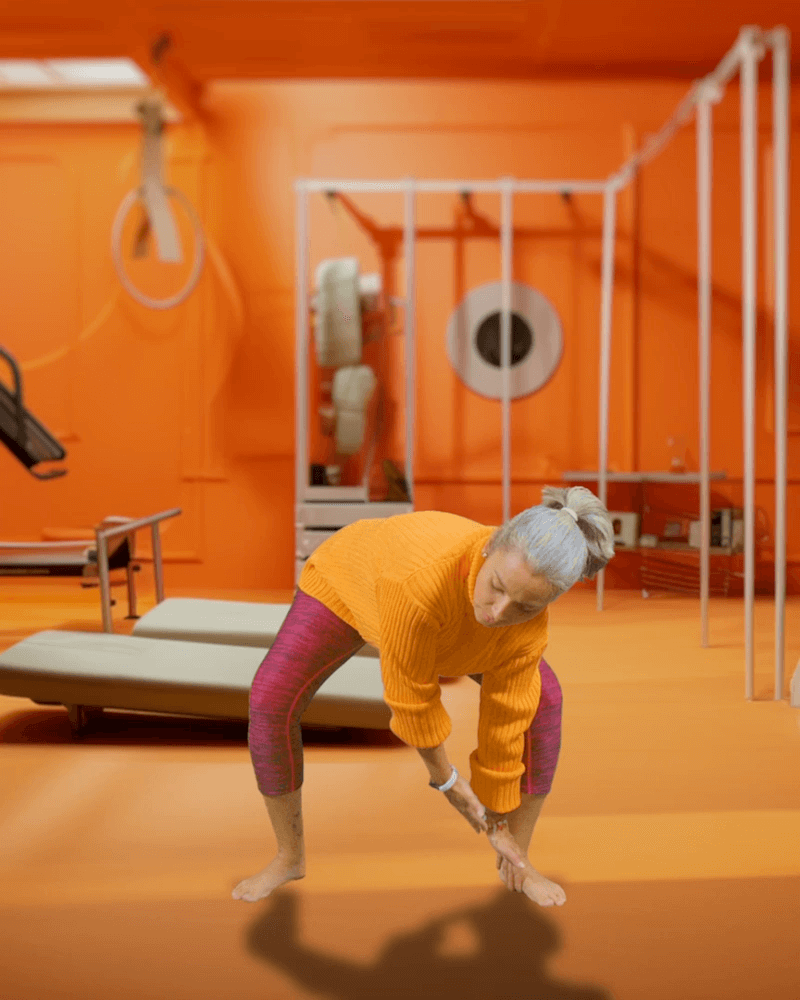 13 exercises
Mobility Range Extender
Delightful stretches targeting multiple body parts to expand range of motion.
 17 exercises
Balance Training
Standing exercises focused on balance and body awareness to prevent falls.
 15 exercises
Hip Pain
Movements designed to relieve hip tension and improve joint mobility.
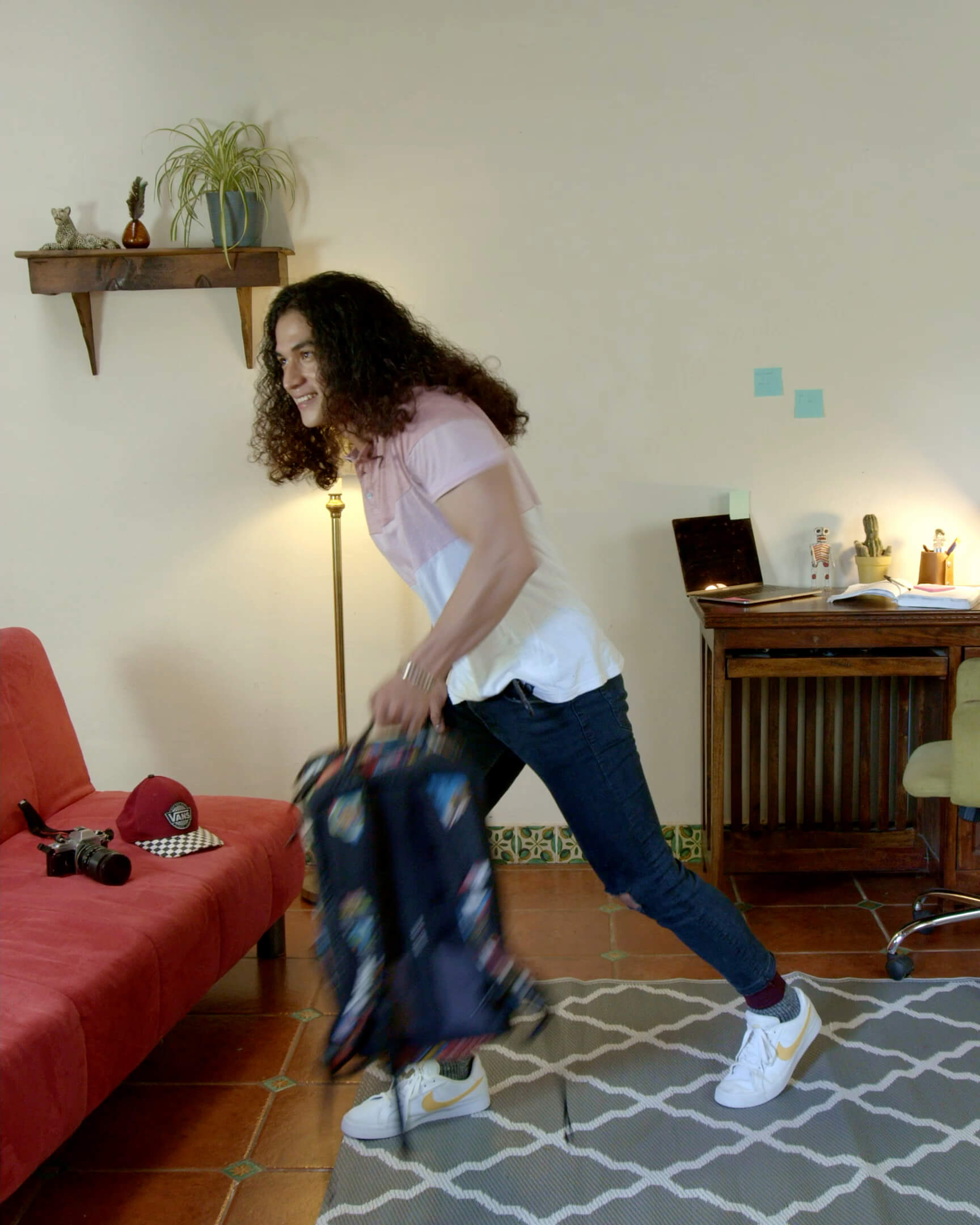 28 exercises
Backpack
Use your backpack's weight for resistance exercises before heading to work or school.
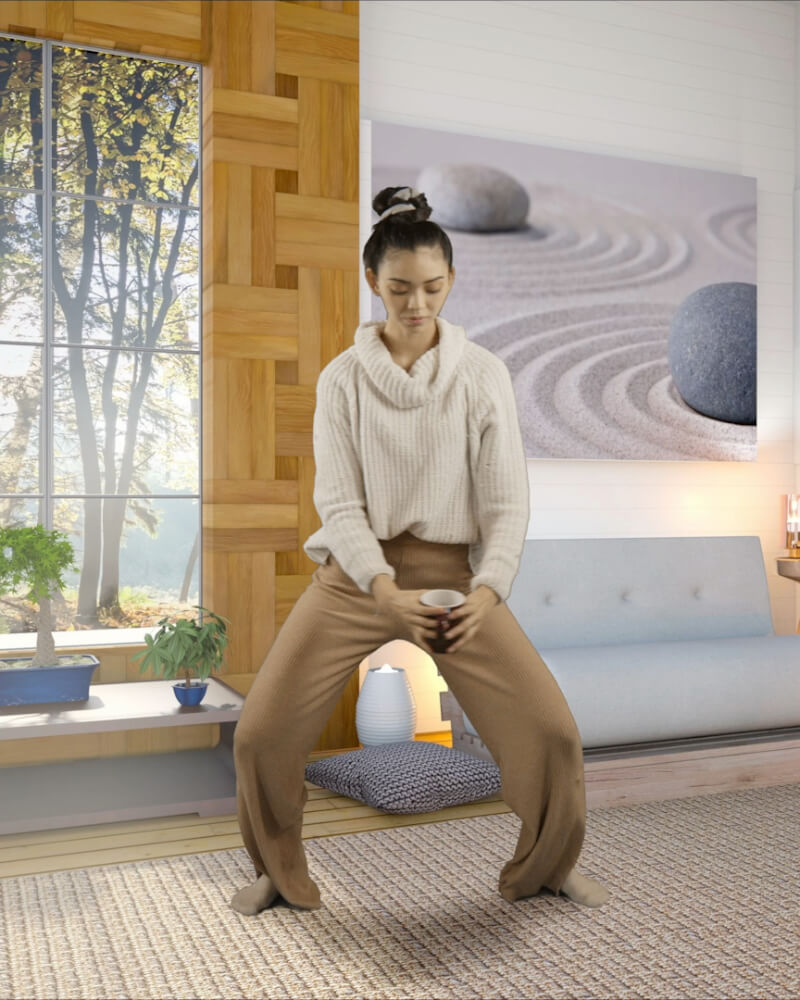 13 exercises
Coffee Tai Chi
Balance and coordination practice while holding your coffee cup.
Want the full routine?
Three minutes, guided by audio, in the iOS app. Or add Wakeout to Chrome — every new tab becomes a tiny movement break.