Wakeout pack — 15 exercises
Hip Pain
Movements designed to relieve hip tension and improve joint mobility.
standingliving room / deskmiddaydo anywhere15 exercises
30-second preview
Reach for this when…
Your hips feel locked after a long sitting stretch and you want a few standing moves to loosen up before you dive back in.
Why this happens
Hip pain in desk workers almost always traces to one thing: prolonged hip flexion. Sitting puts the hip joint in a closed-packed flexed position for hours, which shortens the iliopsoas (the deep hip flexor running from the lumbar spine to the femur), weakens the glute max (the main hip extensor that stops firing when you sit on it), and locks up the deep external rotators — piriformis, obturators, gemelli — that keep the femur tracking properly in the socket. The pain that shows up when you stand from a chair isn't usually a joint problem; it's the iliopsoas protesting being asked to lengthen after hours of shortening, and the glutes being asked to extend the hip after hours of neural silence. This pack is standing-only and targets the exact structures sitting damages: dynamic hip flexor openers, glute activators, and deep rotator mobility. It addresses the mechanism rather than the symptom, which is why five minutes often does more than an hour of stretching the wrong tissues.
About this routine
Best after a long sitting block — commute, work session, flight — when hips feel locked or ache on standing. Needs space to stand and take small steps. Skip if you have hip replacement, labral tear, or acute hip injury; those need medical guidance, not standing mobility. Avoid deep lunge positions if you have current groin strain. Safe during pregnancy with modifications. Not medical advice. If pain is sharp, radiates down the leg, or comes with numbness, see a physician — that pattern points to nerve involvement, not muscle tightness.
The routine
15 exercises in this pack
#
Bent Knee Push Down - Left
Bent Knee Push Down - Right
Bent Leg Lateral Raises - Left
Bent Leg Lateral Raises - Right
Hip Circles - Left
9 more in this pack
Unlock the full routine.
The iOS app plays all 15 exercises in order, with audio cues, countdown, and a streak that keeps you honest.
Use this pack when you need to…
Built for these moments
Engage My Hips
Hip exercises, leg stretches, kicks and Pilates-style moves that get your hips and legs happily in motion.
Why this pack: Every move here is all about your hips, from Hip Circles and Raised Knee Rotations to Hip Thrusters, so your hip joints get a fun, thorough mobility session.
Frequently asked
What people ask about hip pain
Why do my hips hurt so much after sitting all day?
Three mechanisms stack. The iliopsoas shortens and tightens in hip flexion over long periods, making standing feel stiff and painful. The glutes get neural 'amnesia' from prolonged compression and stop firing properly, so the hip loses its main extensor. The deep external rotators lock up around a femur that's been passively held in a flexed, slightly internally-rotated position. Put together, you get the familiar post-sitting hip ache — not a joint problem, but three layers of soft-tissue dysfunction from sustained position.
Is hip tightness the same as hip pain?
Not quite — tightness is a felt-sense description, pain is a nociceptive signal, and they don't always correlate. Many people with 'tight hips' have no actual pain, and some with hip pain don't feel particularly tight. The mechanism overlap is real though: the same tissue changes that create tightness (shortened iliopsoas, locked rotators) often produce pain when loaded or stretched. Mobility work addresses both, but if pain is sharp, radiating, or persistent, stop and see a physician — tightness tolerates movement, injury doesn't.
Why standing mobility instead of seated stretches?
Because the problem was caused by sitting, and seated stretches don't fully access the hip extensors or the dynamic patterns the hip needs to restore. Standing work loads the glutes, lengthens the iliopsoas in a position closer to walking, and trains the deep rotators through meaningful range. The seated version exists for situations where standing isn't possible, but when you can stand, standing hip work does more for desk-induced hip pain than seated stretching ever will.
What if my hip pain is on one side only?
Common and usually means one hip has been loaded asymmetrically — leg crossing, dominant-side leaning, or old compensation patterns from a previous injury. The pack works both sides intentionally, because fixing the tight one without training the other often just shifts the pattern. Pay attention to which movements feel stuck on which side; that's diagnostic. If one-sided pain is sharp, persistent for more than a couple weeks, or radiates down the leg, see a physician — unilateral pain can indicate structural issues a mobility pack won't resolve.
How does this pack differ from kneePainRelief or lowerBackTensionRelease?
Different structures, different mechanisms. HipPain targets the hip flexors, glutes, and deep rotators — the tissues sitting damages at the hip joint. KneePainRelief addresses knee-joint mobility, usually after impact or prolonged standing. LowerBackTensionRelease targets lumbar muscles, which can be adjacent to hip issues but aren't identical. If the ache is at the front of the hip, glutes, or deep in the hip socket, this pack is right. If it's at the low back or the knee itself, pick those packs instead.
You might also like
Packs built for the same body, a slightly different moment.
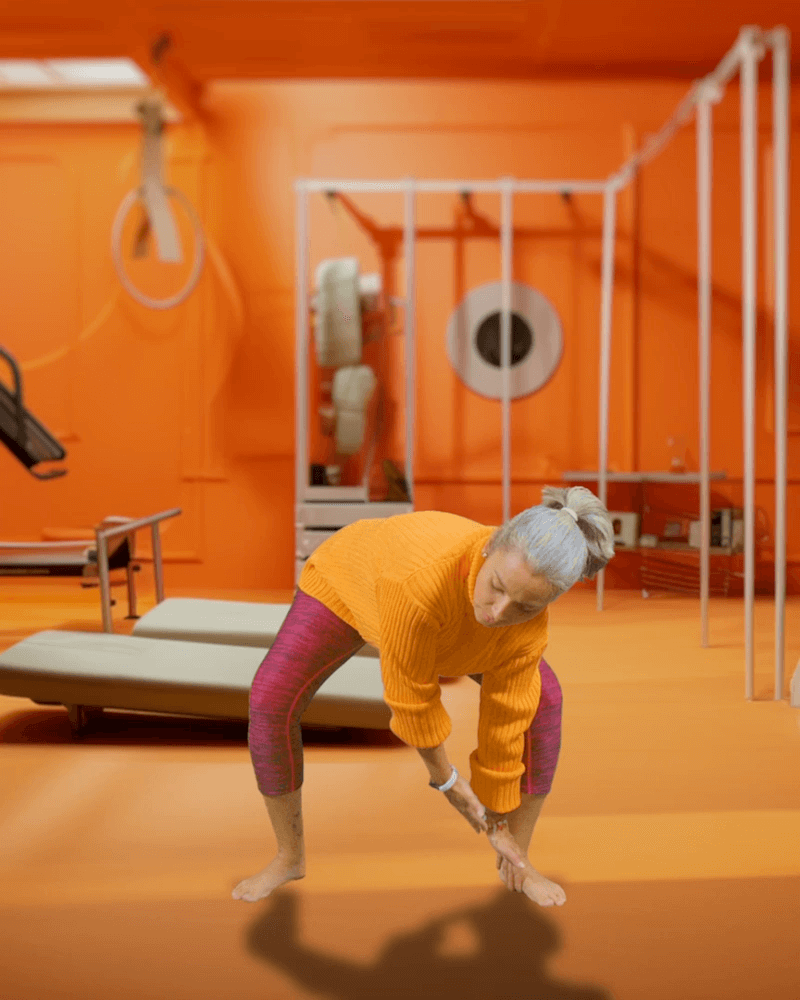 13 exercises
Mobility Range Extender
Delightful stretches targeting multiple body parts to expand range of motion.
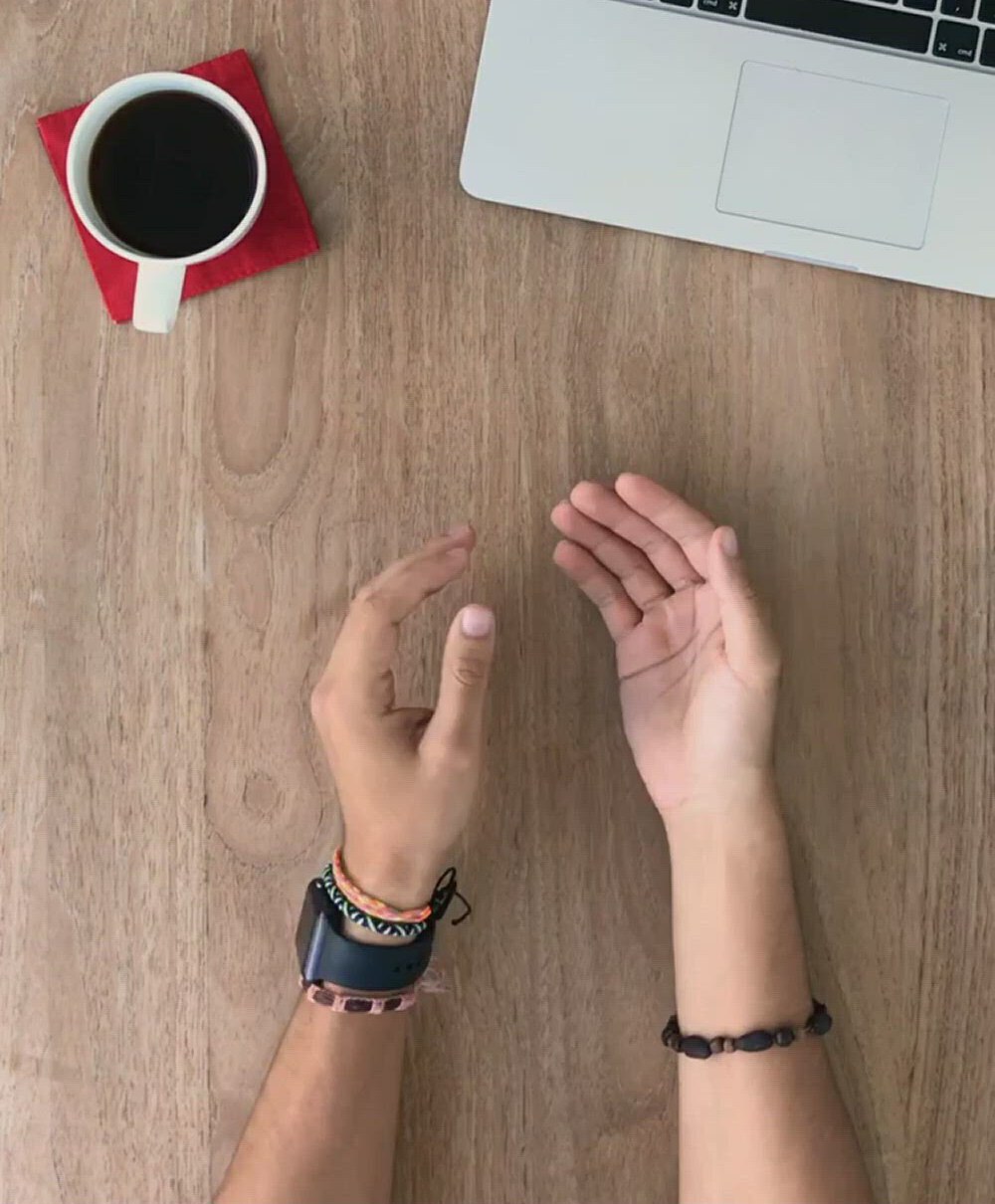 37 exercises
Hand Health
Targeted exercises for fingers and wrists to maintain flexibility and prevent stiffness.
 16 exercises
Knee Pain Relief
Gentle standing movements to reduce knee pain and improve joint mobility.
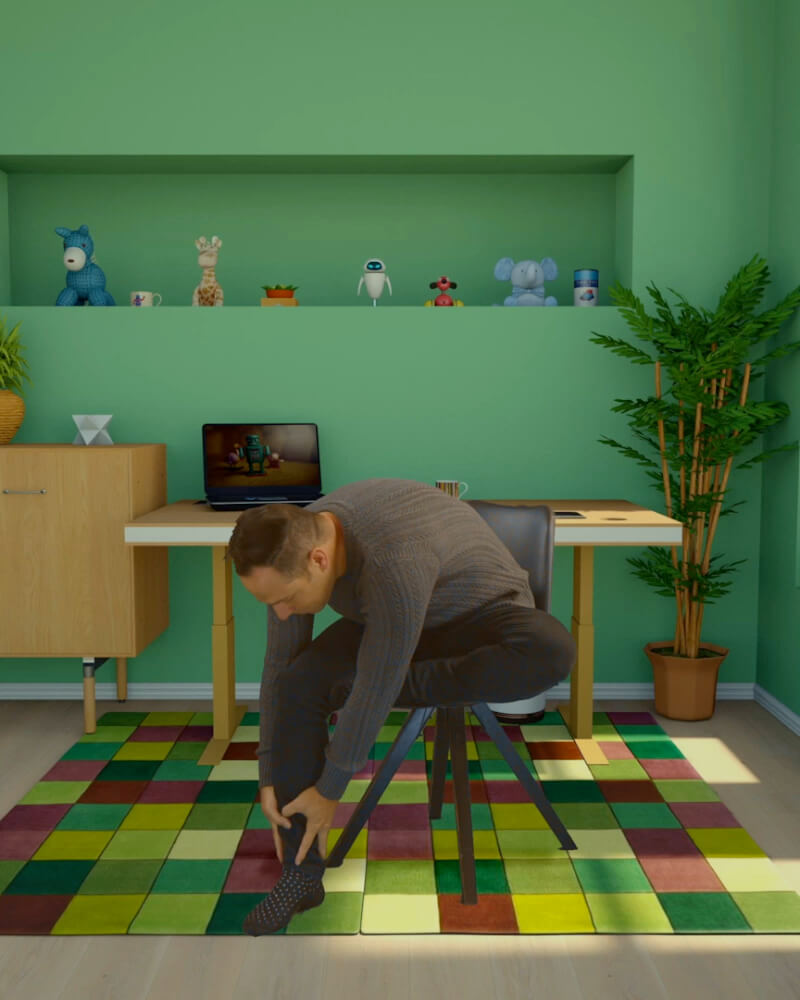 15 exercises
Lower Back Tension Release
Release lower back tension from prolonged sitting with targeted stretches.
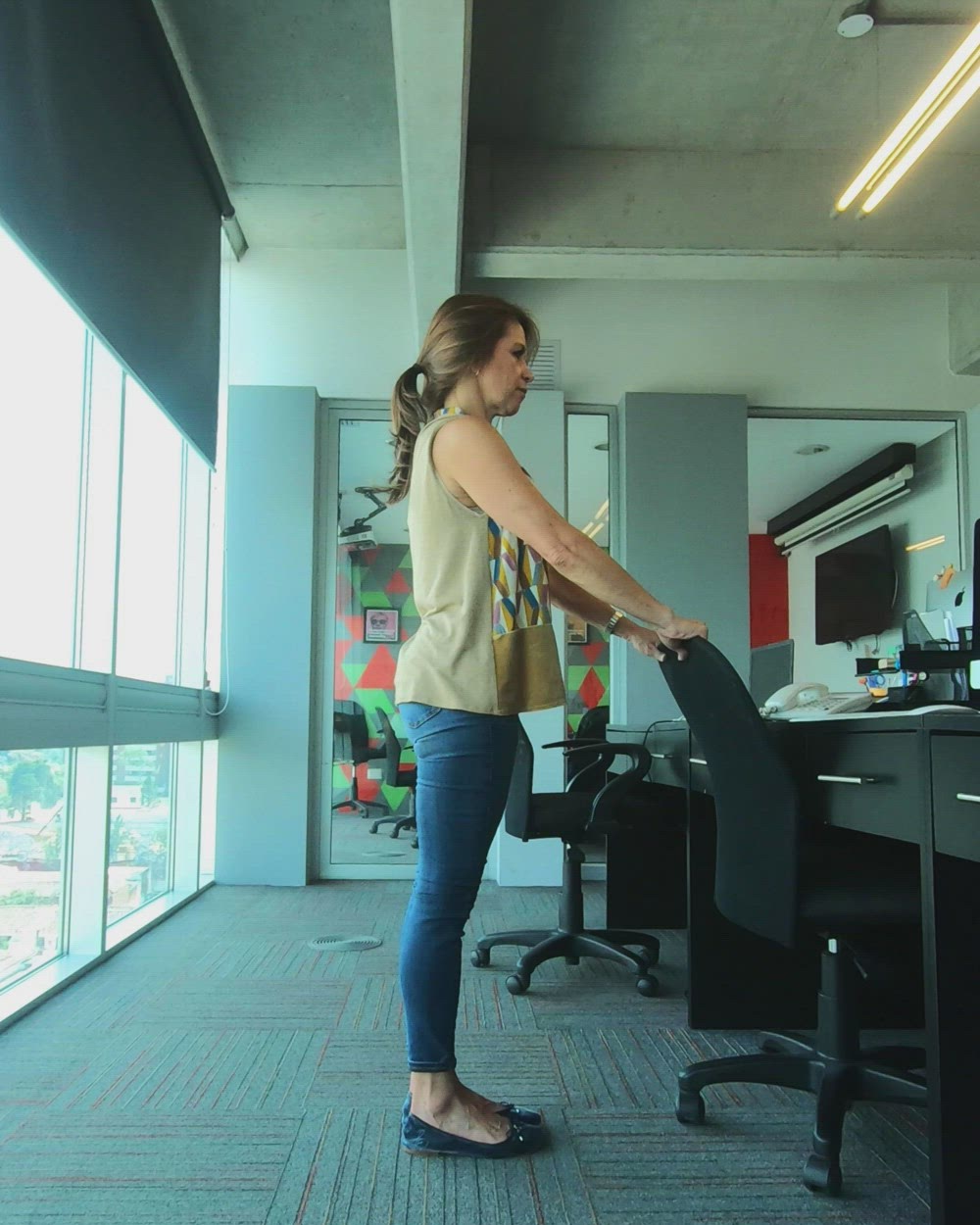 45 exercises
Office Yoga
Adapted yoga poses for the office environment, combining principles with practicality.
Want the full routine?
Three minutes, guided by audio, in the iOS app. Or add Wakeout to Chrome — every new tab becomes a tiny movement break.