Wakeout pack — 21 exercises
Ease Depression
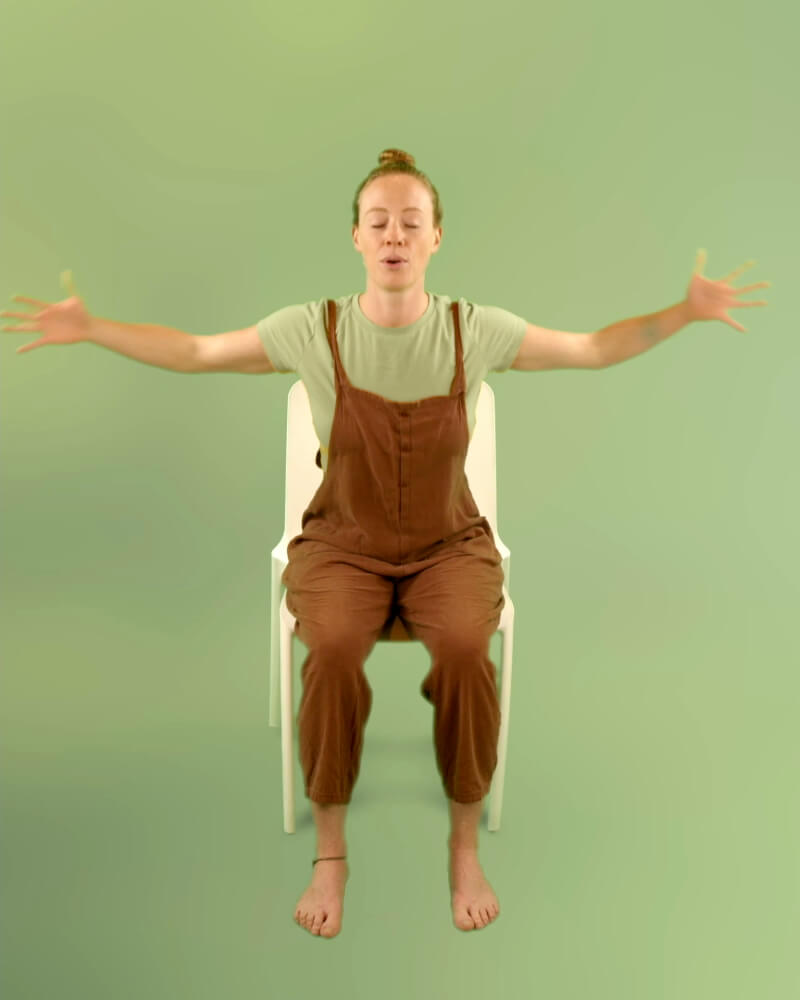
Mood-lifting movements paired with supportive mental health messages.
standingliving roommorning21 exercises
30-second preview
Reach for this when…
Your morning feels heavy, getting out of bed seems impossible, and you want a gentle nudge with a few kind words along the way.
Why this happens
Depression creates a loop that's hard to interrupt from inside it: low mood reduces motivation to move, and not moving further reduces the neurochemical support for mood. Movement — even very gentle movement — is one of the few interventions that can break into that loop mechanically. Brief physical activity increases brain-derived neurotrophic factor (BDNF), modulates serotonin and norepinephrine, and provides short-term mood lift that can make the next small action possible. This pack is built for mornings when getting up feels impossible. It's not an antidepressant, and it doesn't pretend to be. It's a set of small movements that require very little motivation to start and produce a small, reliable shift that can be the foot-in-the-door for the rest of a hard day. If you can do four minutes, you've changed something. That's the only promise.
About this routine
Best for low-mood mornings when the alternative is staying in bed. All movements are gentle and take about four minutes, most can be started from sitting. This pack is not a treatment for clinical depression. If you are experiencing persistent low mood, loss of interest, hopelessness, or thoughts of self-harm, please reach out to a mental health professional — this pack is an adjunct to that care, never a replacement for it. Safe during pregnancy.
Use this pack when you need to…
Built for these moments
Improve Mood
Playful moves for when your mood dips at work, from dancing to pretend punches, kicks and a little fun with your office chair.
Why this pack: Gentle moves like Throw Away Negative Thoughts and Look Up And See New Possibilities pair with uplifting affirmations to give your mood a playful reset.
Frequently asked
What people ask about ease depression
Can exercise actually help with depression?
There's meaningful evidence that regular movement has antidepressant effects for many people, likely through multiple mechanisms including increased BDNF, improved serotonin and norepinephrine signaling, and reduced inflammation. It's not a cure and it doesn't work for everyone, but it's one of the more reliable non-pharmaceutical interventions, and it works especially well as an adjunct to therapy or medication. What it can't do is replace professional care for moderate to severe depression.
When should I see a professional instead of relying on movement?
If low mood persists for more than two weeks, interferes with work or relationships, or includes thoughts of self-harm or suicide, please see a mental health professional. These are signs that the situation needs more than a movement pack can offer. Call or text 988 in the US (Suicide and Crisis Lifeline) if you're in crisis. Movement can help you get through a hard morning; it cannot substitute for therapy, medication, or clinical support when those are what's needed.
Why is it so hard to move when I'm depressed?
Depression affects the brain's reward and motivation circuits — the same systems that normally produce the small pulse of 'yes' that gets you out of bed. When those circuits are flattened, every action feels effort-heavy and reward-light. This is a neurochemical reality, not laziness. The pack is designed around this: the movements are small enough that they don't require the motivation you don't have, and completing them starts rebuilding the reward response in the moment.
How often should I do this pack?
Daily, ideally in the morning, on the days it feels hardest to start. Consistency matters more than duration — four minutes every day outperforms thirty minutes twice a week for mood effects. Pair it with light exposure if possible (near a window or outside) for additional effect on circadian and serotonergic systems. If you're also working with a therapist or doctor, tell them you're using movement as an adjunct — they may want to integrate it with other parts of your care.
Should I use this pack or the anxiety pack?
Use this pack when the feeling is heavy, flat, unmotivated — the weight on the chest, the can't-get-up quality. Use the Relieve Anxiety pack when the feeling is wired, restless, or panicky. The two states often co-occur but need different interventions: depression-coded movement leans toward gentle activation to generate energy, anxiety-coded movement leans toward downregulation to discharge it. If you're not sure which you're in, start here — gentle activation is rarely wrong.
You might also like
Packs built for the same body, a slightly different moment.
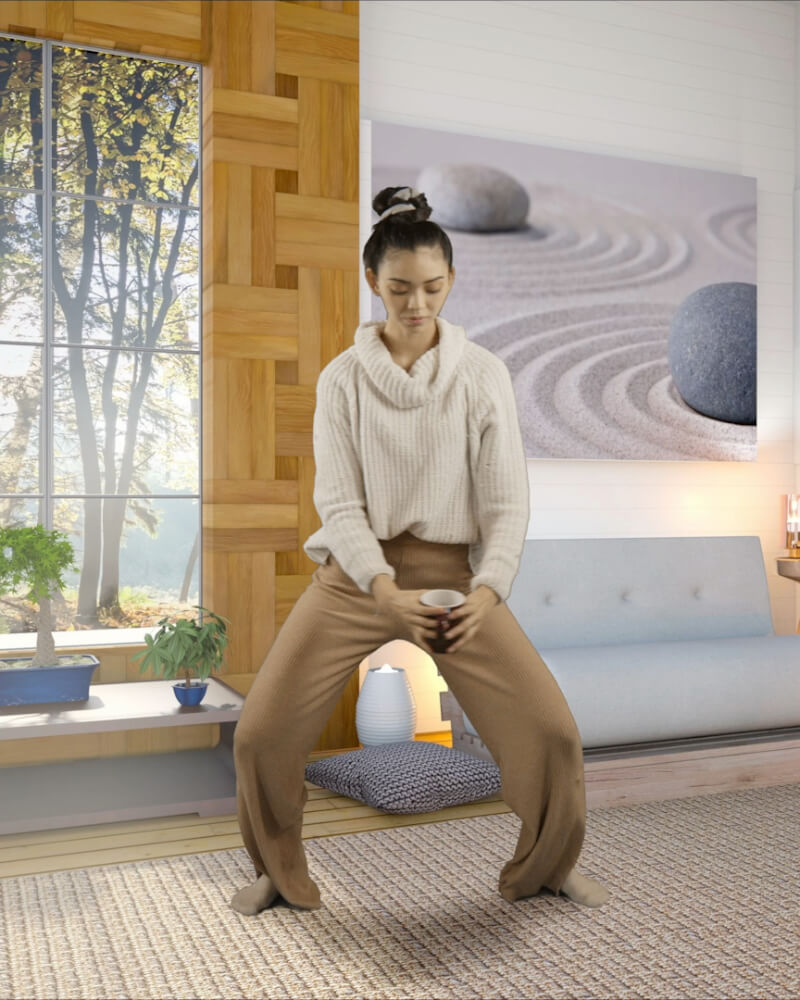 13 exercises
Coffee Tai Chi
Balance and coordination practice while holding your coffee cup.
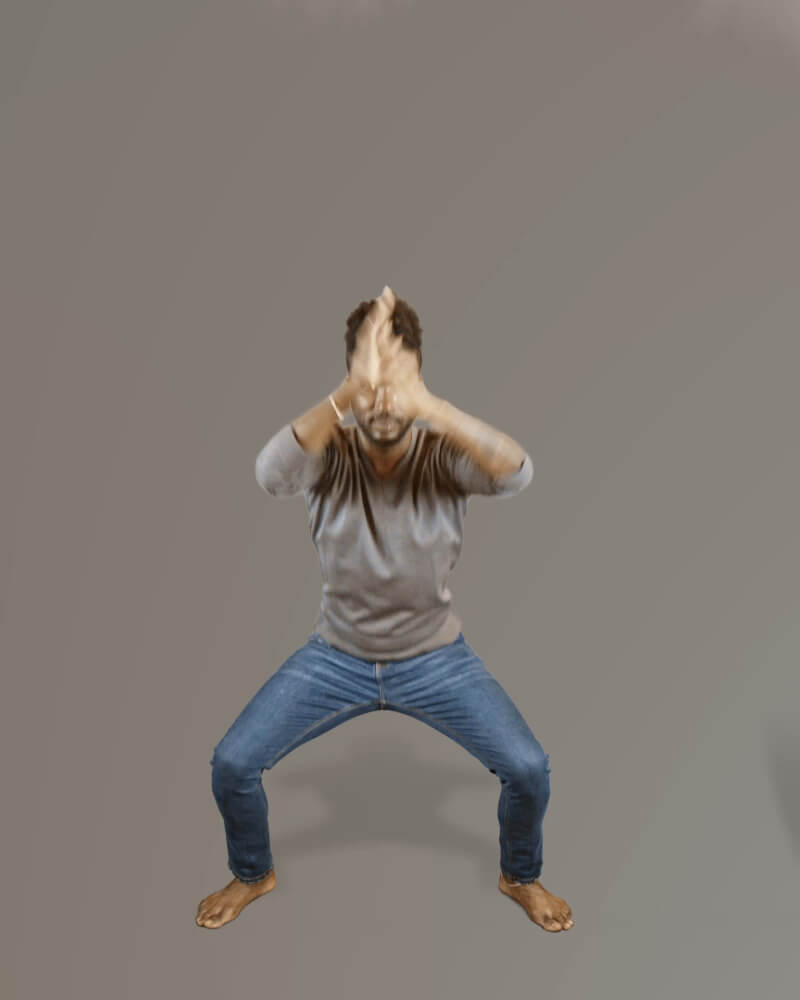 20 exercises
Confidence Booster
Empowering movements with affirmations that celebrate your body and build self-esteem.
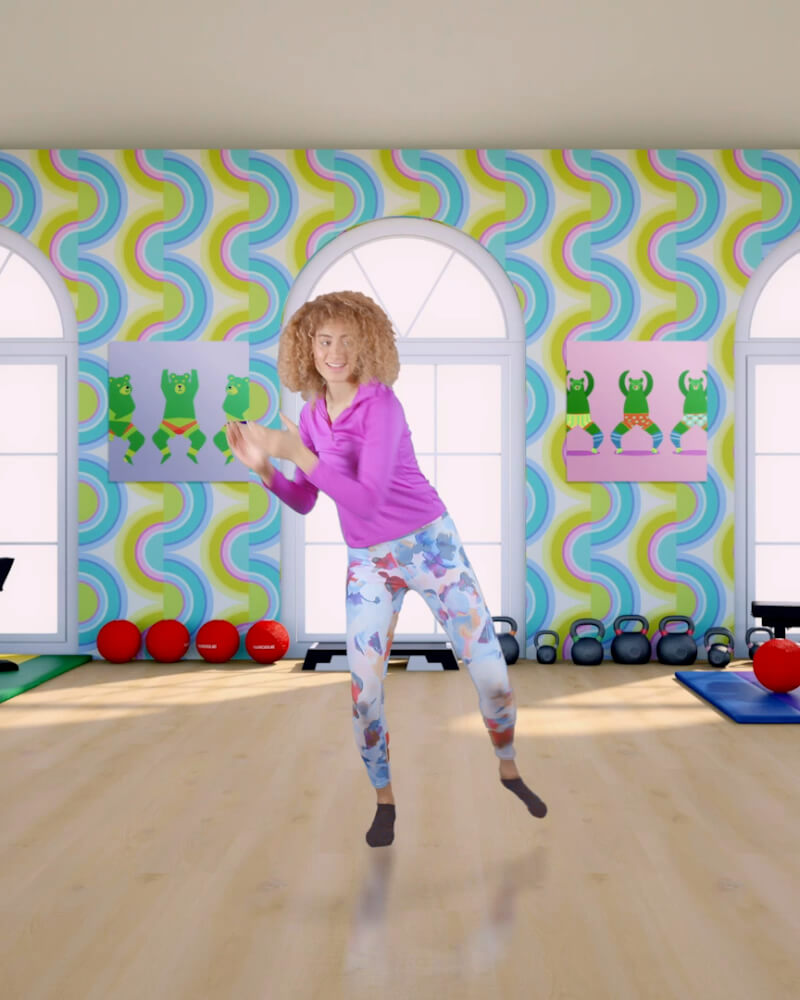 13 exercises
Funrobics
Retro 80s aerobics with upbeat movements updated for modern times.
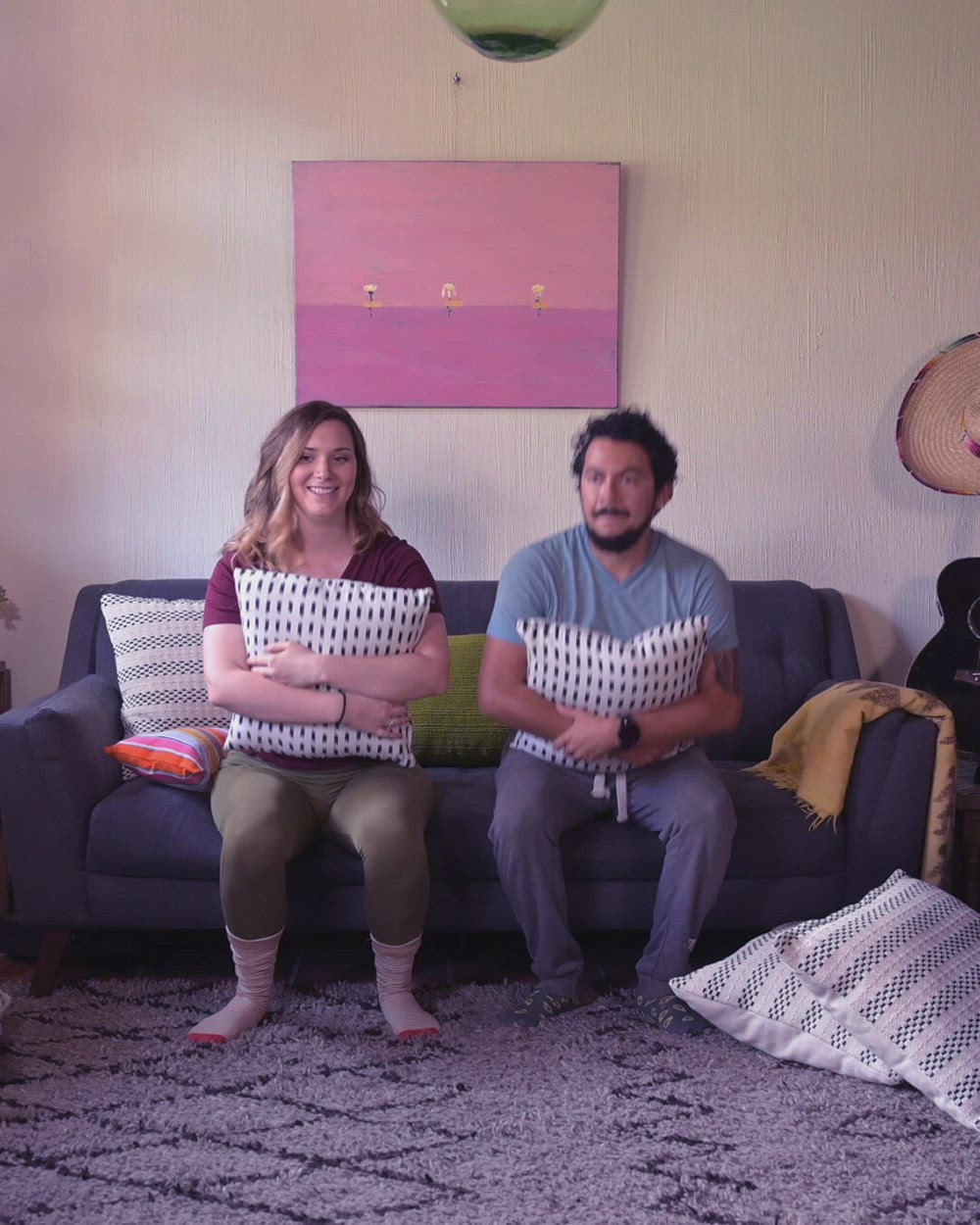 39 exercises
Couch With A Partner
Partner-based movements that create connection and energy during couch time.
 21 exercises
Relieve Anxiety
Movement therapy with soothing audio guidance to calm mind and body.
Want the full routine?
Three minutes, guided by audio, in the iOS app. Or add Wakeout to Chrome — every new tab becomes a tiny movement break.