Wakeout pack — 20 exercises
Confidence Booster
Empowering movements with affirmations that celebrate your body and build self-esteem.
standingliving roommorning20 exercises
30-second preview
Reach for this when…
You have an interview, pitch or big presentation this morning and want to walk in feeling a little taller.
Why this happens
Body posture and mental state are linked more than they're separate — not in the overclaimed 'power pose changes your testosterone in two minutes' sense, but in the well-replicated finding that postural expansion influences mood, self-perception, and risk tolerance. The mechanism is embodied cognition: the brain reads the body's position as evidence about the current situation, and an expanded, upright posture signals 'not under threat' in ways that downstream affect and cognition respond to. For the moments before a hard thing — interview, presentation, difficult conversation — ten minutes of movement that puts the body in an expanded, rhythmic, upright state primes a measurably different state of mind than ten minutes of scrolling while slumped. This pack stacks chest-openers, standing rotations, and affirmative rhythmic movement designed to produce that shift without feeling performative. It's not a magic fix. It's a small reliable lever on a variable that otherwise drifts. If the goal is broader self-acceptance rather than pre-event prep, try Self Love.
About this routine
Best in the thirty minutes before a specific challenge — interview, pitch, presentation, difficult meeting. Standing, requires a bit of open floor space, no props. Skip if you're in an acute anxiety spiral where vigorous movement worsens the racing; Relieve Anxiety is calmer and better in that case. Not suitable during active dizziness or vertigo. Safe for most adults. Not medical advice and not a substitute for actual preparation — but a useful ten minutes when the preparation is done and the moment is close.
Use this pack when you need to…
Built for these moments
Gain Mental Clarity
Cardio moves like punches, kicks, jumps and desk pumps that send oxygen through your blood and leave your head feeling clearer.
Why this pack: Dynamic moves like Decisiveness, Trust and Confidence Stance get oxygen flowing to your brain while the affirmations boost your self-esteem.
Improve Mood
Playful moves for when your mood dips at work, from dancing to pretend punches, kicks and a little fun with your office chair.
Why this pack: Playful moves like Animal Confidence and Praise Yourself build your self-esteem and turn that fear of looking silly into joyful self-expression.
Frequently asked
What people ask about confidence booster
Do power poses and body posture really affect confidence?
Postural expansion affects mood, affect, and self-perception reliably; the larger claims about hormonal changes from brief poses have not replicated well. What holds up is that open, upright posture correlates with and causally influences subjective feelings of power and lower threat perception — through embodied cognition, where the brain treats posture as information. The effect is real but modest, and it combines with rhythm, breath, and movement for a larger pre-event shift than posture alone.
How long before a big event should I do this?
Fifteen to thirty minutes before is the sweet spot. Closer than ten minutes and you're still warm and slightly elevated, which can read as fidgety; further out than forty-five minutes and the state fades. The physiological and psychological effects of movement-based priming peak within the first half hour and decline gradually after. You want to finish with enough time to settle, hydrate, and walk calmly into the room.
Will this help with interview nerves?
It helps with the physical components of nerves — shallow breathing, locked shoulders, racing heart — which is a meaningful slice of interview anxiety. It won't replace preparation or change the interviewer's impression of you. What it reliably does is prevent you from walking in with a collapsed, protective posture that both reflects and reinforces anxiety. Pair it with real prep, a few minutes of slow exhalation, and a glass of water.
What if I have actual anxiety, not just pre-event nerves?
For clinical-level anxiety, use Relieve Anxiety instead — it's calibrated for nervous-system down-regulation rather than activation. This pack is deliberately energizing, which can amplify an already overactivated state and tip someone from nervous into full panic. Chronic or disabling anxiety also warrants real therapeutic support, not a movement pack — therapy and, where indicated, medication do things that breathing and movement don't. Confidence work is useful for situationally normal pre-event stress; it's the wrong tool for something bigger.
How is this different from a regular warm-up?
A warm-up prepares the body for physical activity; this pack prepares the body and mind for a psychological challenge. The movement vocabulary overlaps — both use mobility, activation, and rhythm — but the emphasis here is on postural expansion, confident rhythmic cadence, and movements that reinforce an upright, open body shape. The goal isn't to raise your heart rate for a workout; it's to prime a state you can carry into the room.
You might also like
Packs built for the same body, a slightly different moment.
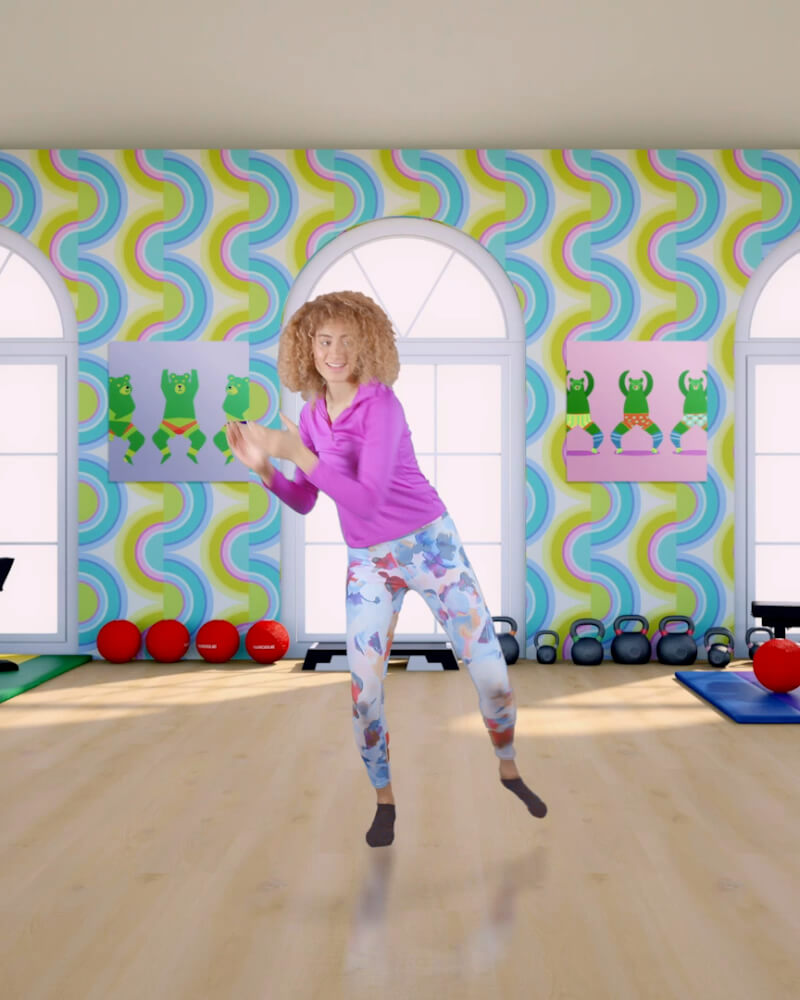 13 exercises
Funrobics
Retro 80s aerobics with upbeat movements updated for modern times.
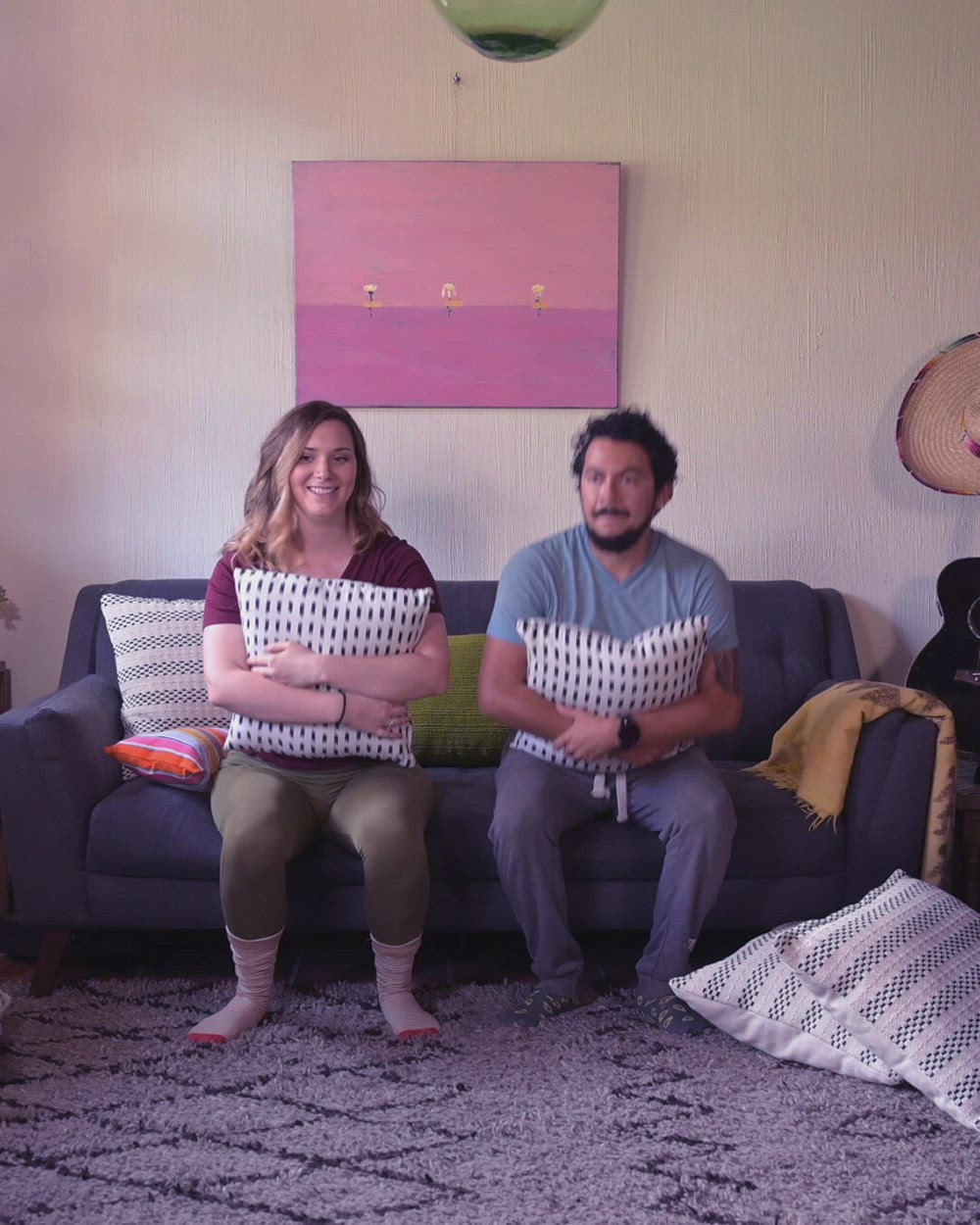 39 exercises
Couch With A Partner
Partner-based movements that create connection and energy during couch time.
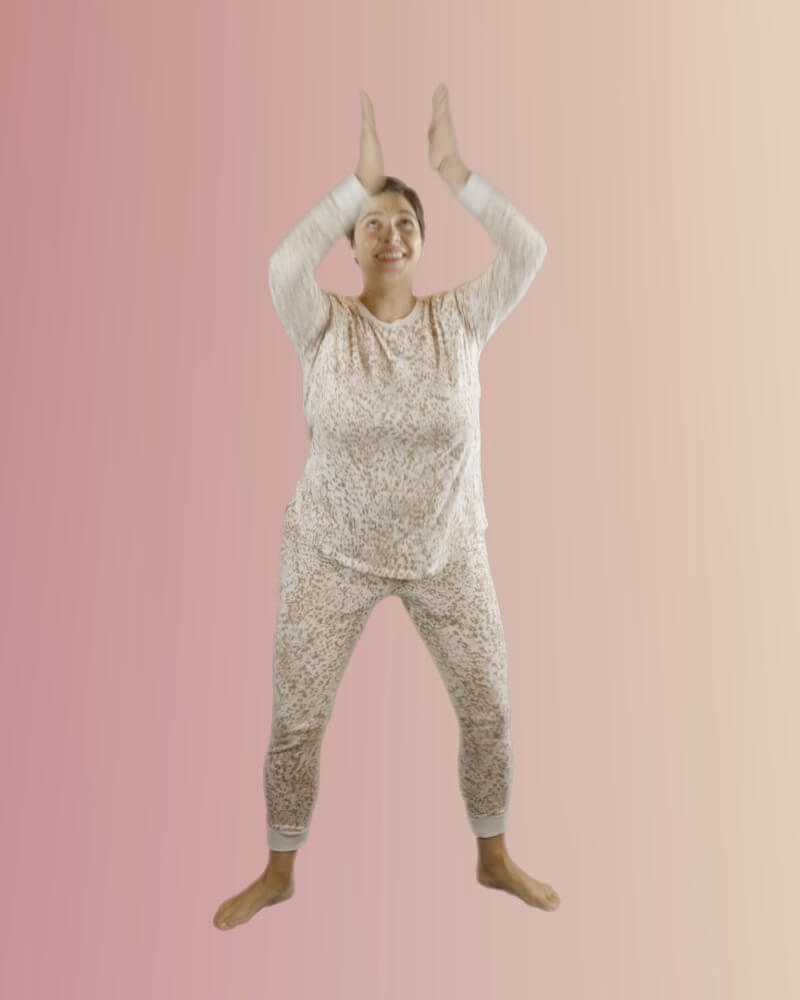 22 exercises
Morning Motivation
Energizing movements paired with motivational guidance for renewed optimism.
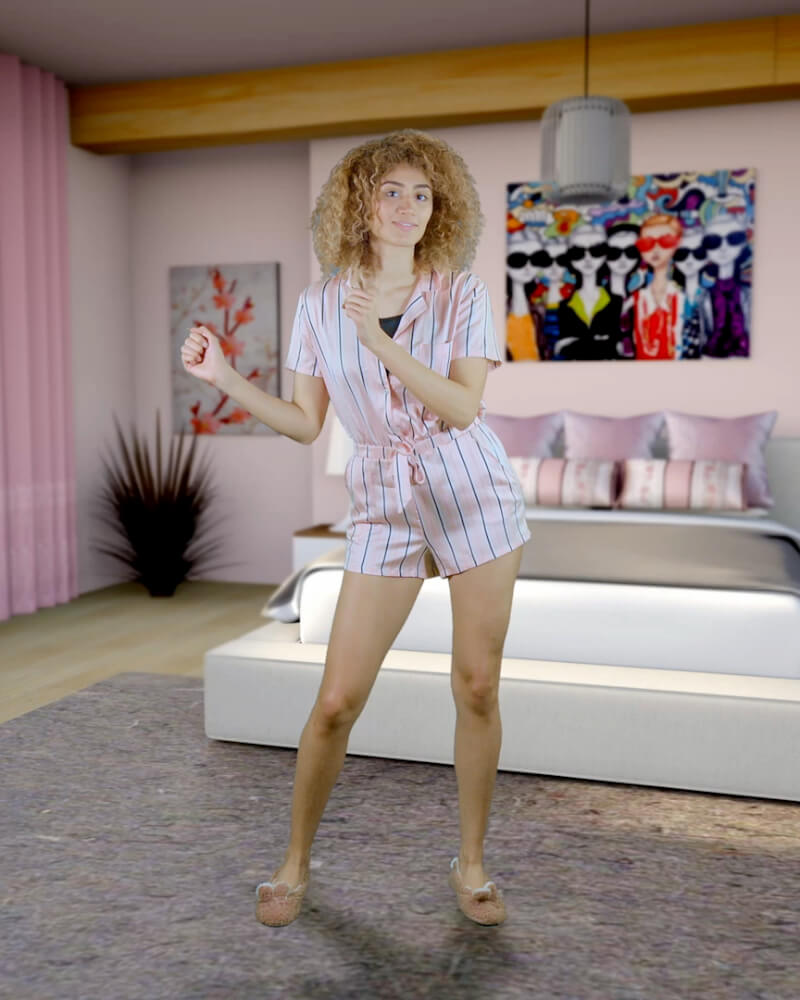 14 exercises
Pajama Dance
Upbeat morning dance movements you can do in your pajamas.
 13 exercises
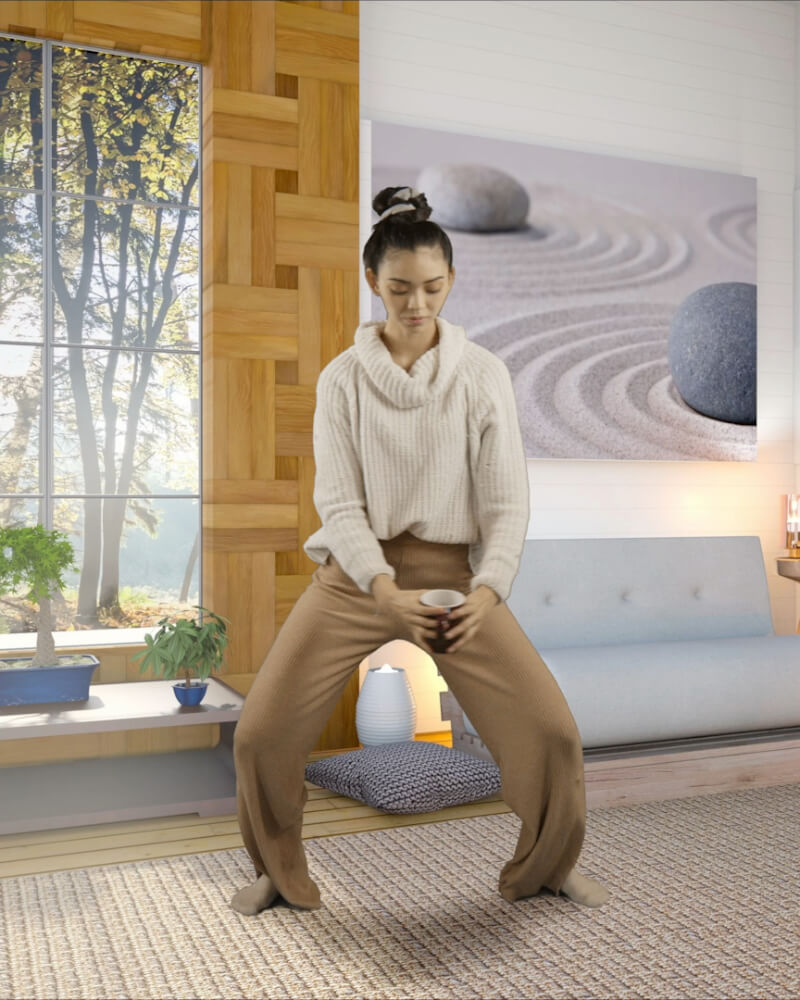
Coffee Tai Chi
Balance and coordination practice while holding your coffee cup.
Want the full routine?
Three minutes, guided by audio, in the iOS app. Or add Wakeout to Chrome — every new tab becomes a tiny movement break.