Wakeout pack — 20 exercises
Increase Self-Love
Movement therapy with affirming audio to foster positive body-mind relationships.
standingbedroom / living roommorning20 exercises
30-second preview
Reach for this when…
Your morning is off to a heavy start and you could use some kind words for yourself, paired with gentle movement.
Why this happens
The research on embodied cognition suggests that body and mind aren't as separate as most people treat them. Posture affects mood, gentle self-touch lowers measured cortisol, and the language we use while moving shapes how the movement itself feels. This pack leans into that — gentle body-positive affirmations paired with slow, kind movement — without overclaiming what it can do. It is not therapy. It is not a substitute for real emotional work with real people. What it is: a small, regular ritual that can shift the relationship between a person and their body from critical to neutral, or neutral to warm. Most adults have spent years absorbing messages about what their body should be. A few minutes of moving it with intentional kindness starts to update that pattern. The effect is subtle and cumulative — noticeable after weeks of consistent use, not minutes. For people in active body-image distress, eating-disorder recovery, or significant emotional pain, this pack is an adjunct at best and professional support is the real answer.
About this routine
Best as a standing morning ritual for emotionally difficult days — done slowly, with audio, ideally somewhere private enough to actually engage. About eight minutes. This pack is supportive, not therapeutic. If you're navigating active body-image distress, an eating disorder, depression, or trauma, please work with a licensed therapist — this pack can be a piece of a broader approach, but is not a substitute for care. Safe during pregnancy. Skip if the affirmation format feels actively unhelpful rather than neutral; not every tool fits every person.
The routine
20 exercises in this pack
#
Bring Love To Your Heart
Celebrate Small Accomplishments
Challenge Negative Thoughts
Gratitude
Growth
14 more in this pack
Unlock the full routine.
The iOS app plays all 20 exercises in order, with audio cues, countdown, and a streak that keeps you honest.
Use this pack when you need to…
Built for these moments
Improve Mood
Playful moves for when your mood dips at work, from dancing to pretend punches, kicks and a little fun with your office chair.
Why this pack: Body-positive movement therapy with affirming audio, like Many Hugs and Celebrate Small Accomplishments, lifts your mood by nudging you toward a little more self-acceptance.
Frequently asked
What people ask about increase self-love
Do affirmations actually do anything, or is this just feel-good nonsense?
The research is mixed and depends heavily on context. Affirmations about values a person actually holds tend to produce modest but measurable effects on stress markers and self-concept over time. Generic affirmations that feel foreign ('I am beautiful and powerful') often backfire for people with low self-esteem — the brain rejects them as false and the effort itself becomes discouraging. This pack tries to stay on the useful side by pairing gentler, more plausible statements with physical movement, which helps embody them. It's not magic. Used consistently, it tends to shift baseline self-talk modestly.
Is this the same as self-care or a wellness routine?
Related but different. Self-care is a broad category that covers anything from therapy to a bath. This pack is specifically about changing the moment-to-moment relationship with your body through movement and language. It doesn't replace therapy, medication, or other forms of mental-health care. It can be a piece of a fuller picture, particularly for people working on self-criticism or embodiment alongside other professional support. Used alone, it's a gentle tool, not a treatment.
What if the affirmations feel forced or fake?
That's common and worth taking seriously. Affirmations that feel actively untrue tend not to help and can increase distress in people with lower baseline self-regard. If the language of this pack doesn't land, try Confidence Booster for something more task-specific, or Morning Motivation for gentler encouragement. Not every tool fits every person, and no one should force a routine that makes them feel worse — that's the opposite of the point.
How long before I notice anything?
If you notice anything, probably after a few weeks of consistent use — the effect is cumulative and subtle rather than immediate. Unlike a stretch that delivers felt relief in three minutes, shifts in self-relationship happen slowly and are usually more visible in retrospect ('I've been kinder to myself lately') than in the moment. If weeks pass and nothing changes, this may not be the right tool. Therapy does this more directly and more effectively for people who need real shifts.
Is this appropriate if I'm in recovery from an eating disorder?
Please consult your treatment team before using any body-focused movement routine during eating-disorder recovery. Some people in recovery find gentle, non-appearance-focused movement supportive; others find that anything explicitly body-focused is destabilizing. That decision isn't a one-size answer and shouldn't be made from a pack description. If you're in active recovery, the therapist or dietitian on your team is the right person to ask whether something like this fits your stage. This pack is not designed as or a substitute for eating-disorder care.
You might also like
Packs built for the same body, a slightly different moment.
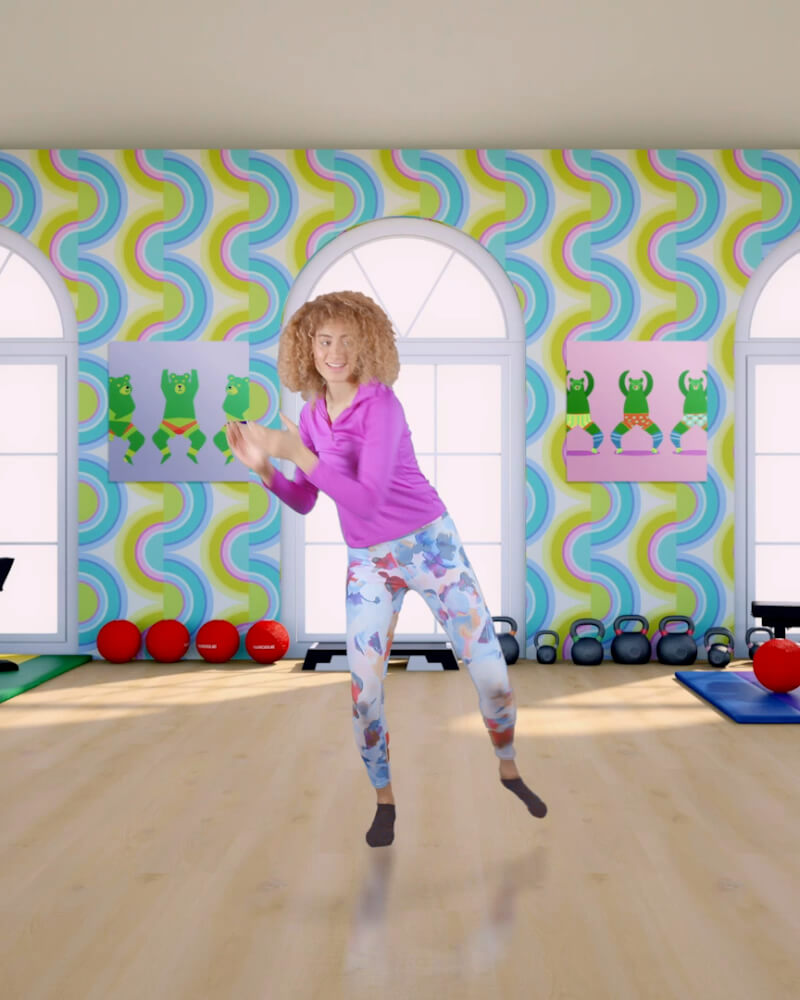 13 exercises
Funrobics
Retro 80s aerobics with upbeat movements updated for modern times.
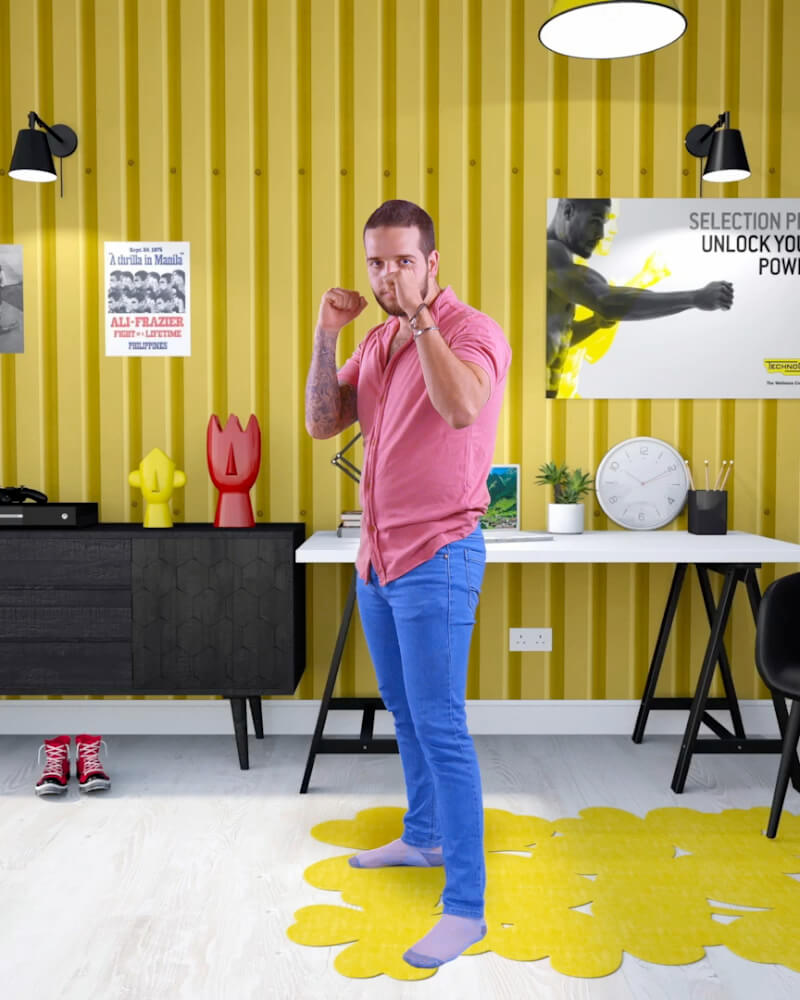 19 exercises
Standing Boxing
Upright boxing combinations that boost energy and confidence without equipment.
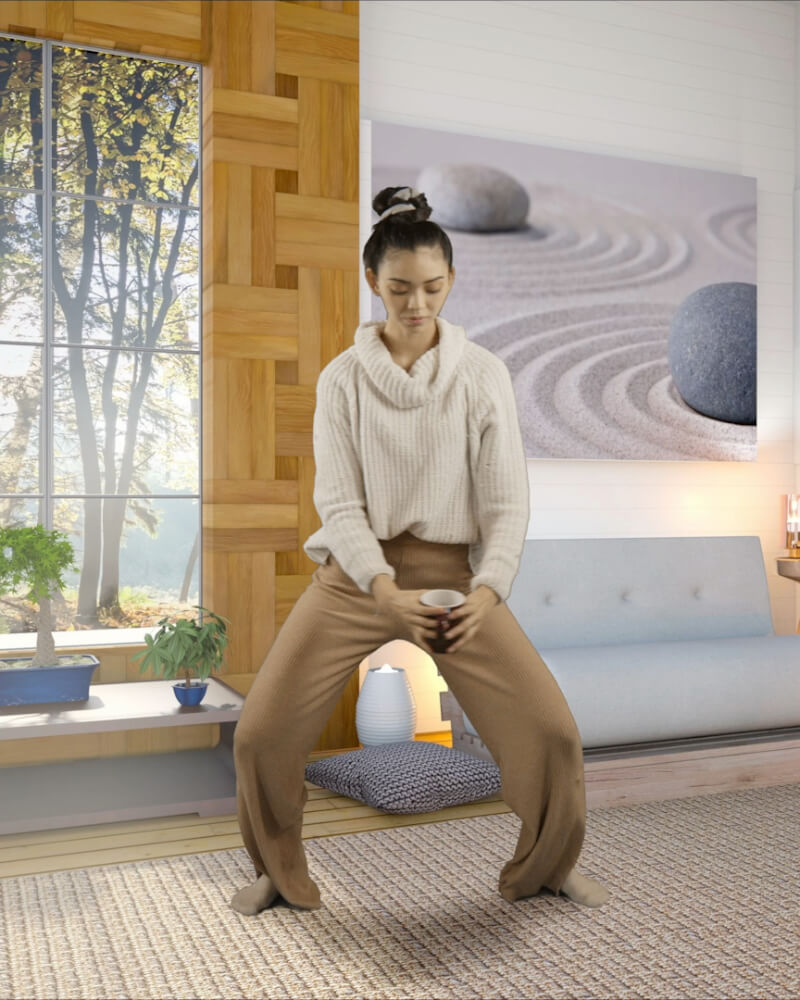 13 exercises
Coffee Tai Chi
Balance and coordination practice while holding your coffee cup.
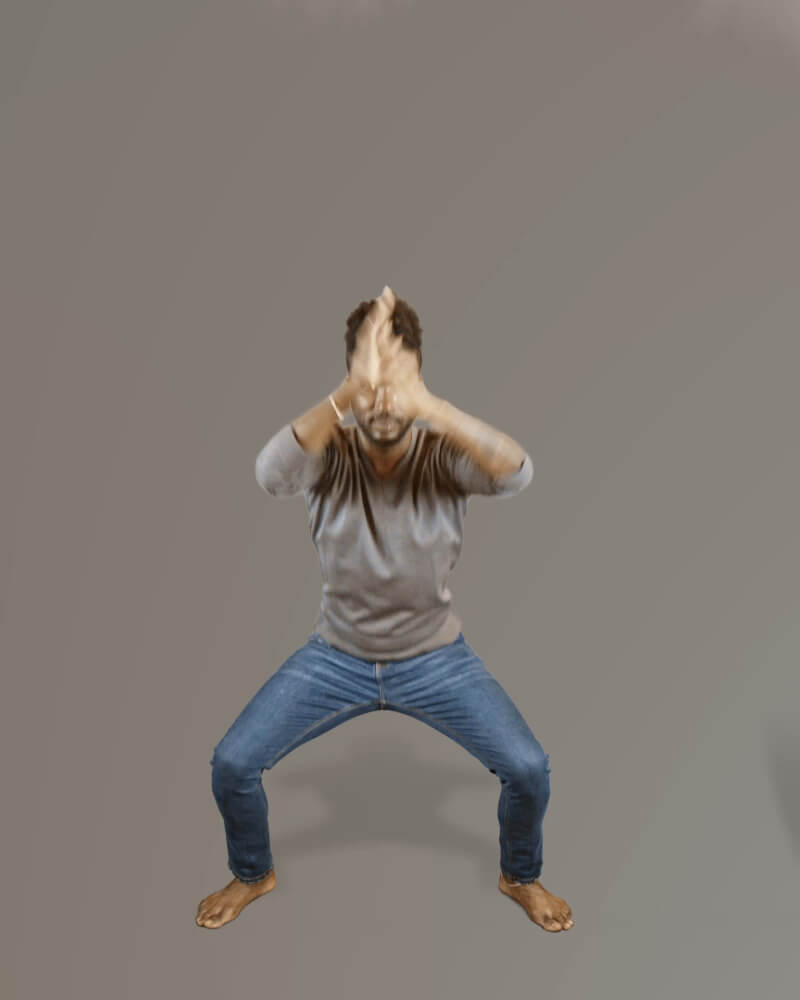 20 exercises
Confidence Booster
Empowering movements with affirmations that celebrate your body and build self-esteem.
 21 exercises
Ease Depression
Mood-lifting movements paired with supportive mental health messages.
Want the full routine?
Three minutes, guided by audio, in the iOS app. Or add Wakeout to Chrome — every new tab becomes a tiny movement break.