Wakeout pack — 14 exercises
Comfy Tension Release
Gentle bedtime exercises that release accumulated tension and prepare for restful sleep.
sittingbedroommorning / eveningdo anywhere14 exercises
30-second preview
Reach for this when…
You're sitting on the edge of the bed, neck and back a little stiff, and you want something gentle before sleep, not a workout.
Why this happens
The evening transition from sitting at a screen to lying down for sleep is where a lot of low-grade tension gets smuggled into the night. The upper trapezius, levator scapulae, and thoracic extensors have been holding a chair-shape for hours; the hip flexors are shortened; the jaw is often clenched without notice. Going straight from that pattern to horizontal sleep locks the tension in overnight, which is why people wake up with knots they didn't notice before bed. This pack is the gentle version of pre-sleep release — sitting on the bed or on the edge of the bed, working through soft transitions that lengthen the upper back, release the neck, and decompress the hips without ever crossing into effort. It's specifically not the vigorous option; for that, Stress Unwind uses chops and smacks to physically purge. This one stays in the parasympathetic lane, which is what you want if sleep is next. Eight to ten minutes, and most people feel the shoulders drop a measurable inch.
About this routine
Best for sitting on the bed in the last twenty minutes before sleep, after screens are down and the lights are low. All seated, no props beyond the bed itself. Skip if your back pain is acute and sharp rather than dull tension — acute pain warrants not moving into stretches that might aggravate it. Safe during pregnancy. Not medical advice, but it has quietly added minutes of actual sleep to a lot of nights that might otherwise have been light and fitful.
The routine
14 exercises in this pack
8 more in this pack
Unlock the full routine.
The iOS app plays all 14 exercises in order, with audio cues, countdown, and a streak that keeps you honest.
Use this pack when you need to…
Built for these moments
Strengthen Back
Desk yoga and focused moves that strengthen and stretch your lower back and give your spine some kind attention.
Why this pack: Arched Back Breaths, Upper Body Circles and Tree Sway give your spine comfy seated stretches that ease a desk day's back tension and get you ready for sleep.
Loosen Neck & Shoulders
Moves aimed at your neck and shoulders, plus arm-only work and push-ups or desk pumps where your arms hold you up.
Why this pack: Neck Leans to each side, a Neck Pull Down and arm-over Lean Overs let your neck and shoulders unwind gently, so bedtime feels a little lighter.
Engage My Core
Torso twists, side touches and similar moves that work your whole core: your abs, your sides and your lower back.
Why this pack: Rotating Bed Touches, Side To Side Elbow Touches and Reach Overs keep your middle gently moving while seated, easing lower back tension and keeping your spine mobile.
Frequently asked
What people ask about comfy tension release
Should I stretch before bed or in the morning?
Both, for different reasons, but if you only do one, evening wins for most sedentary adults. Morning stretching releases stiffness from sleep-position loading. Evening stretching discharges accumulated static-sitting tension before it gets locked in by eight hours of horizontal stillness. The evening effect on sleep quality is measurable — gentle pre-sleep stretching shortens sleep latency and reduces nocturnal awakenings in people with desk-life tension patterns.
What's the difference between gentle and vigorous evening routines?
Vigorous release — shaking, punching, aggressive stretching — physically purges stored tension but activates the sympathetic nervous system as a side effect, which can delay sleep if done in the last hour. Gentle release — slow stretches, breath-paced movement, soft transitions — works through parasympathetic activation and primes the body for sleep. Use Stress Unwind earlier in the evening if you're still charged; use this pack in the last twenty minutes before lights out.
Can stretching before bed improve sleep quality?
Yes, specifically for people with muscular tension and evening rumination. The mechanism combines muscle relaxation (reduced tonic contraction lowers the physical floor of arousal), breath pacing (extended exhales activate the vagus nerve and parasympathetic response), and attentional redirection (focus on sensation competes with rumination). Sleep studies on pre-sleep gentle stretching show improvements in sleep onset latency and reductions in nocturnal awakenings.
Why do my shoulders feel so tight at night?
A full day of desk posture keeps the upper trapezius and levator scapulae contracted to hold the arms in a forward-reaching position, and these muscles don't naturally release when you stop working — they need active lengthening or they stay partially engaged into the evening. You also often clench the jaw and shrug the shoulders during stressful calls without noticing. Evening stretching is the off-switch these muscles don't have on their own.
Is this too gentle to actually do anything?
Gentle is the design, not a limitation. The goal isn't to improve flexibility or build strength — it's to release residual muscle tension before sleep. Low-intensity, slow-tempo stretching achieves that through neuromuscular relaxation rather than through tissue lengthening, which is why it works in short bouts and doesn't require getting warm. If you want range-of-motion gains, Mobility Range Extender is the more ambitious option.
You might also like
Packs built for the same body, a slightly different moment.
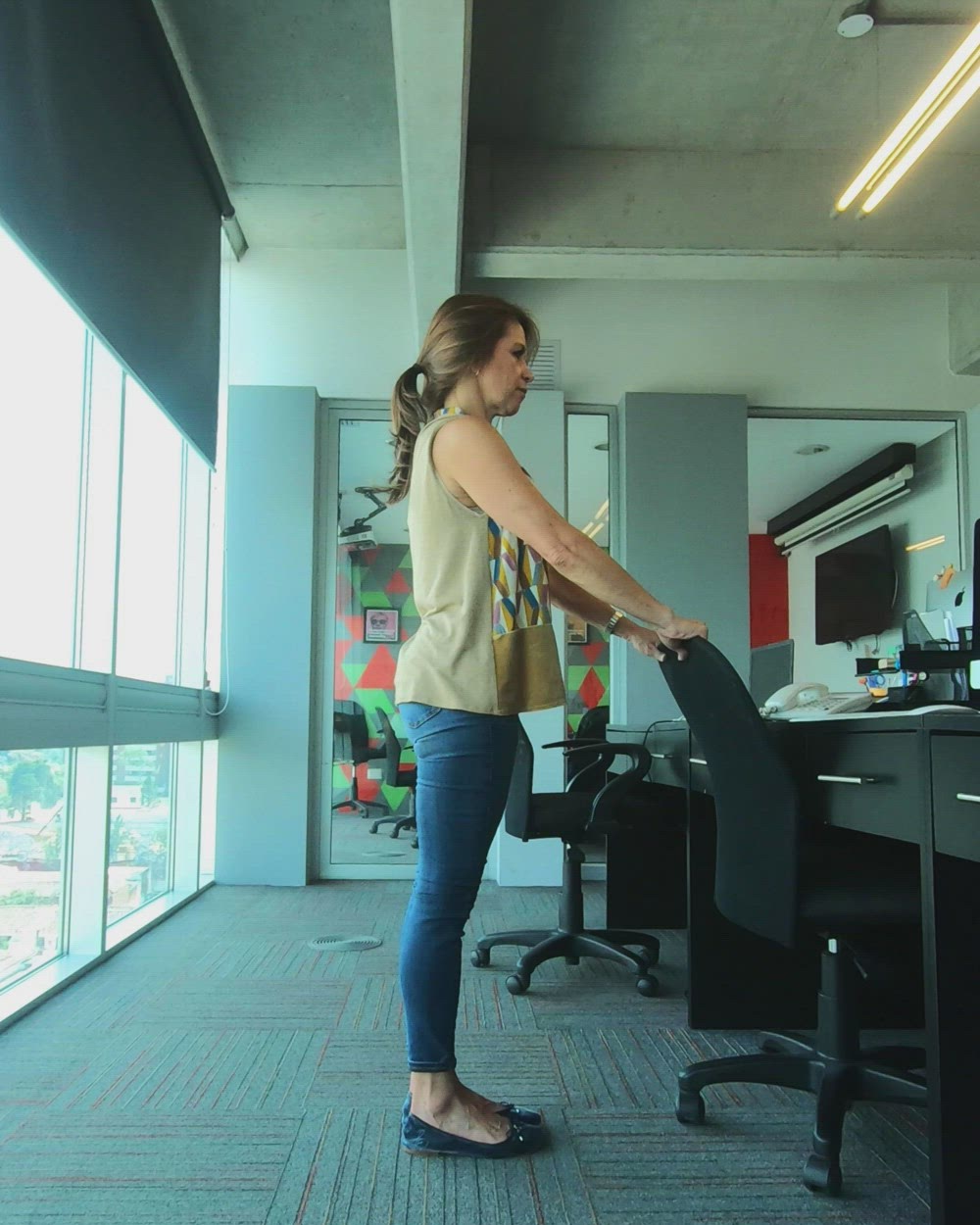 45 exercises
Office Yoga
Adapted yoga poses for the office environment, combining principles with practicality.
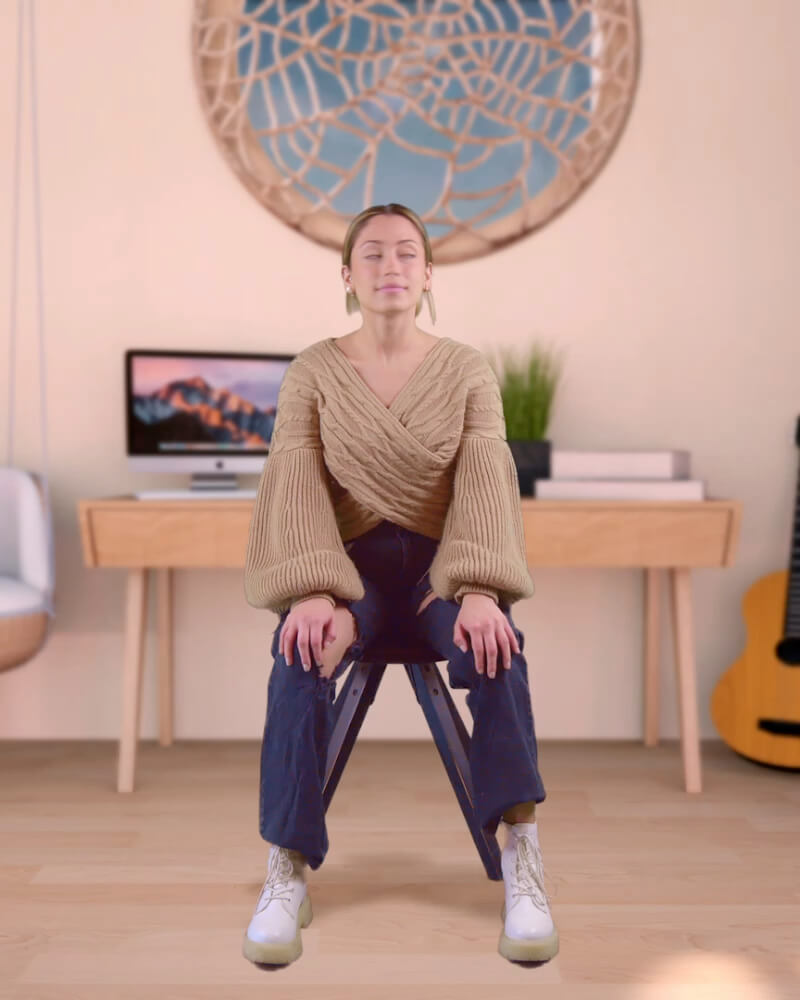 14 exercises
Neck Relief
Therapeutic movements and stretches for immediate neck pain relief.
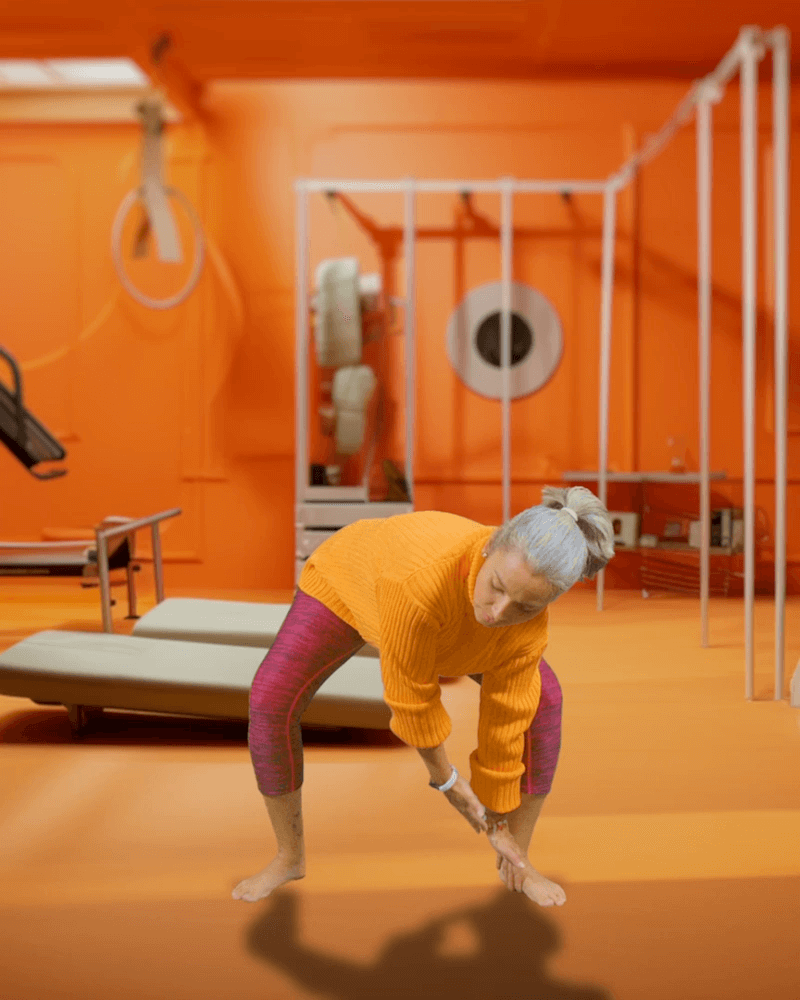 13 exercises
Mobility Range Extender
Delightful stretches targeting multiple body parts to expand range of motion.
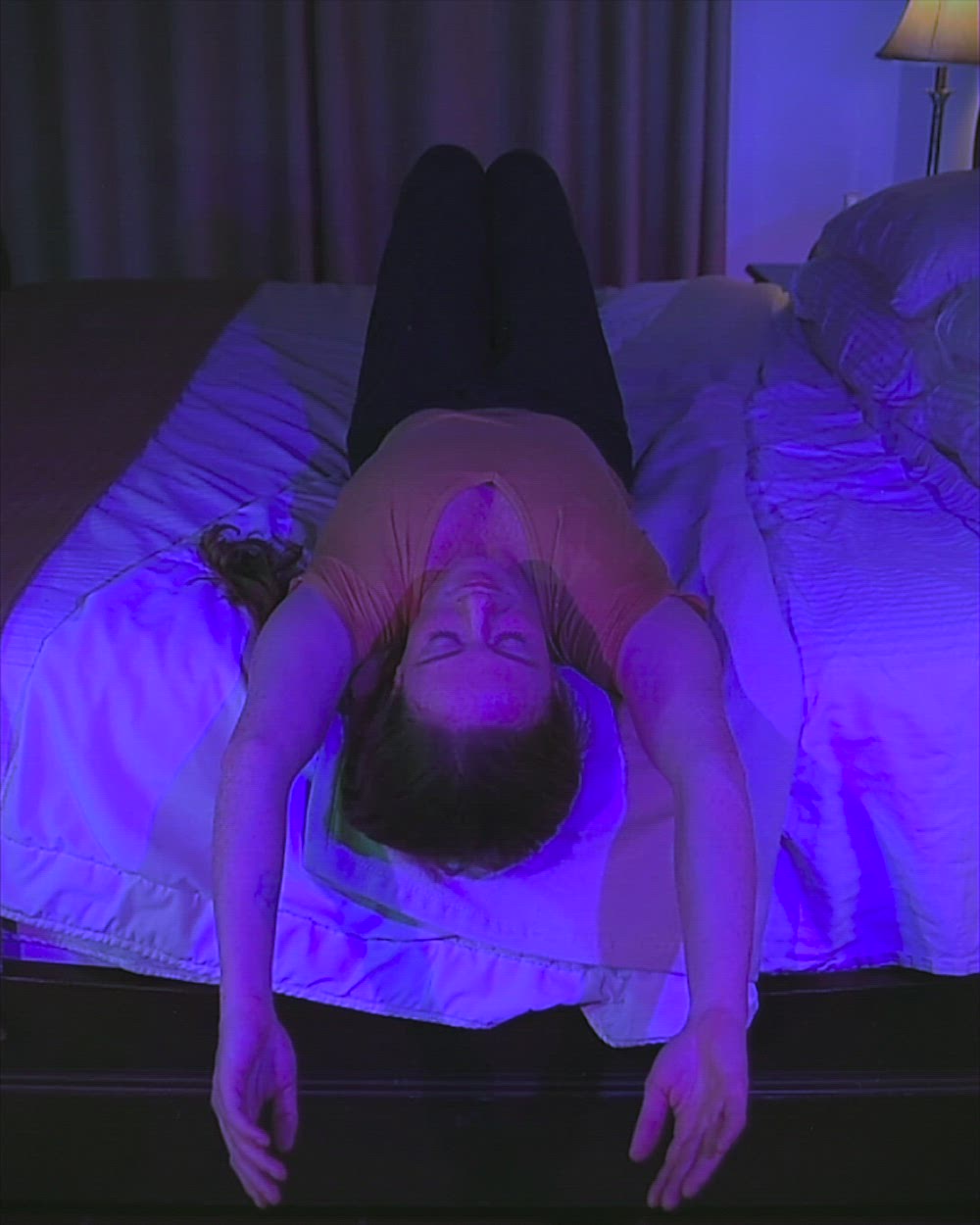 36 exercises
Wind Down
Calming stretches and breathing to release tension and promote relaxation.
 12 exercises
Spinal Health
Improve spine flexibility and strength with mat-based alignment exercises.
Want the full routine?
Three minutes, guided by audio, in the iOS app. Or add Wakeout to Chrome — every new tab becomes a tiny movement break.