Wakeout pack — 36 exercises
Wind Down
Calming stretches and breathing to release tension and promote relaxation.
sitting / laying downbedroomeveningdo anywhere36 exercises
30-second preview
Reach for this when…
You're about to turn in and want gentle stretches and long, slow breaths to ease your body toward sleep.
Why this happens
Falling asleep is a shift in the autonomic nervous system: the sympathetic branch (alert, ready, tense) hands off to the parasympathetic (slow, soft, drowsy). For most adults, that handoff is hijacked by the residue of the day — screen light, lingering cortisol, unresolved conversations, a body still holding the shape of a chair. Slow movement and long exhalations are two of the most reliable parasympathetic triggers available without medication. This pack emphasizes both: gentle stretching done slowly enough that it cues rest, and breathing patterns with exhales longer than inhales, which directly signal safety to the vagus nerve. Some movements happen sitting on the bed edge, some while lying down — all designed to be comfortable in pajamas and to end with the body closer to sleep than when it started. Not a substitute for sleep hygiene or medical care of insomnia, but a reliable pre-sleep ritual that works through physiology, not discipline.
About this routine
Best as the last thing before sleep, in pajamas, lights low. Some movements are seated on the bed edge, some lying down — no floor work, no mat. Skip this pack if insomnia is chronic and clinical, if you have acute back or neck pain, or if you're using it to 'earn' sleep rather than ease into it. Safe during pregnancy. None of this replaces medical care for sleep disorders — this is a wind-down ritual, not treatment for insomnia.
The routine
36 exercises in this pack
#
Baby Feet Hold
Behind Back Crossed Arms
Behind Back Hand Hold Left
Behind Back Hand Hold Right
Bloom Breaths
30 more in this pack
Unlock the full routine.
The iOS app plays all 36 exercises in order, with audio cues, countdown, and a streak that keeps you honest.
Frequently asked
What people ask about wind down
Can stretching really help me fall asleep?
Slow stretching paired with long exhalations activates the parasympathetic nervous system, which is the physiological branch responsible for rest and digestion. The mechanism is well-documented: slow movement lowers heart rate, long exhales stimulate the vagus nerve, and both reduce circulating cortisol. It's not a sleep drug, but for people whose main obstacle is being too activated at bedtime, it reliably shortens the time to fall asleep.
Should I do this in bed or on the floor?
This pack is designed for bed edge and in-bed use — no floor work required. The whole point is that you finish the routine already in position to sleep, not transitioning back from a mat. If you prefer floor-based spinal work as your evening practice, Spinal Health covers that format.
Why do long exhales help with sleep?
Long exhalations directly stimulate the vagus nerve, which triggers the parasympathetic shift your body needs to fall asleep. Inhalation slightly speeds the heart, exhalation slows it — so when you exhale for longer than you inhale, the nervous system registers a consistent 'safe, resting' signal. Breathing patterns with a 2:1 exhale-to-inhale ratio (like 4 in, 8 out) are common in sleep research and show measurable effects on heart rate variability.
What if I'm wound up from screens or stress?
Screen stimulation and stress both leave the sympathetic nervous system activated, which is exactly what this pack is designed to undo. Movement plus breath is generally more effective than lying still trying to calm down, because the nervous system responds faster to physical input than to mental instruction. If stress specifically is the blocker, Stress Unwind offers a more intense physical discharge first, then this pack for the settle.
How close to bedtime should I do this?
Best in the final 15 to 30 minutes before sleep, ideally already in bed or at the bed edge. Doing it earlier in the evening still helps with general relaxation, but the specific effect — easing the transition into sleep — works best immediately before. Don't push through if you're already drowsy; the goal is to cue sleep, not prevent it with a routine.
You might also like
Packs built for the same body, a slightly different moment.
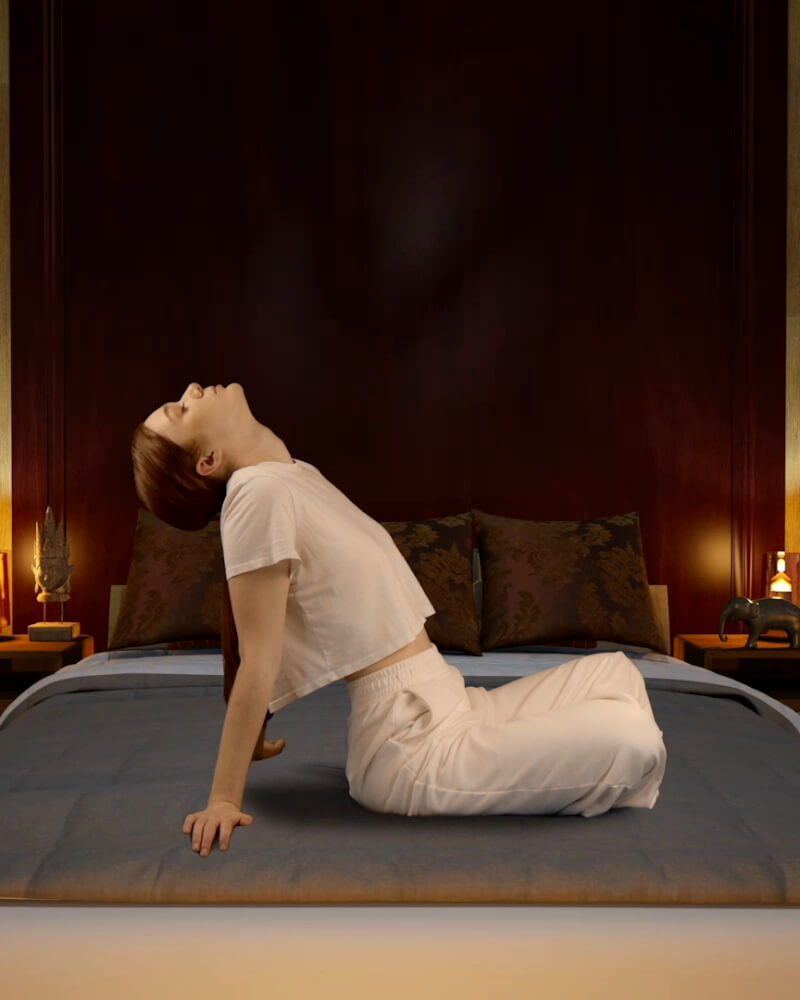 14 exercises
Comfy Tension Release
Gentle bedtime exercises that release accumulated tension and prepare for restful sleep.
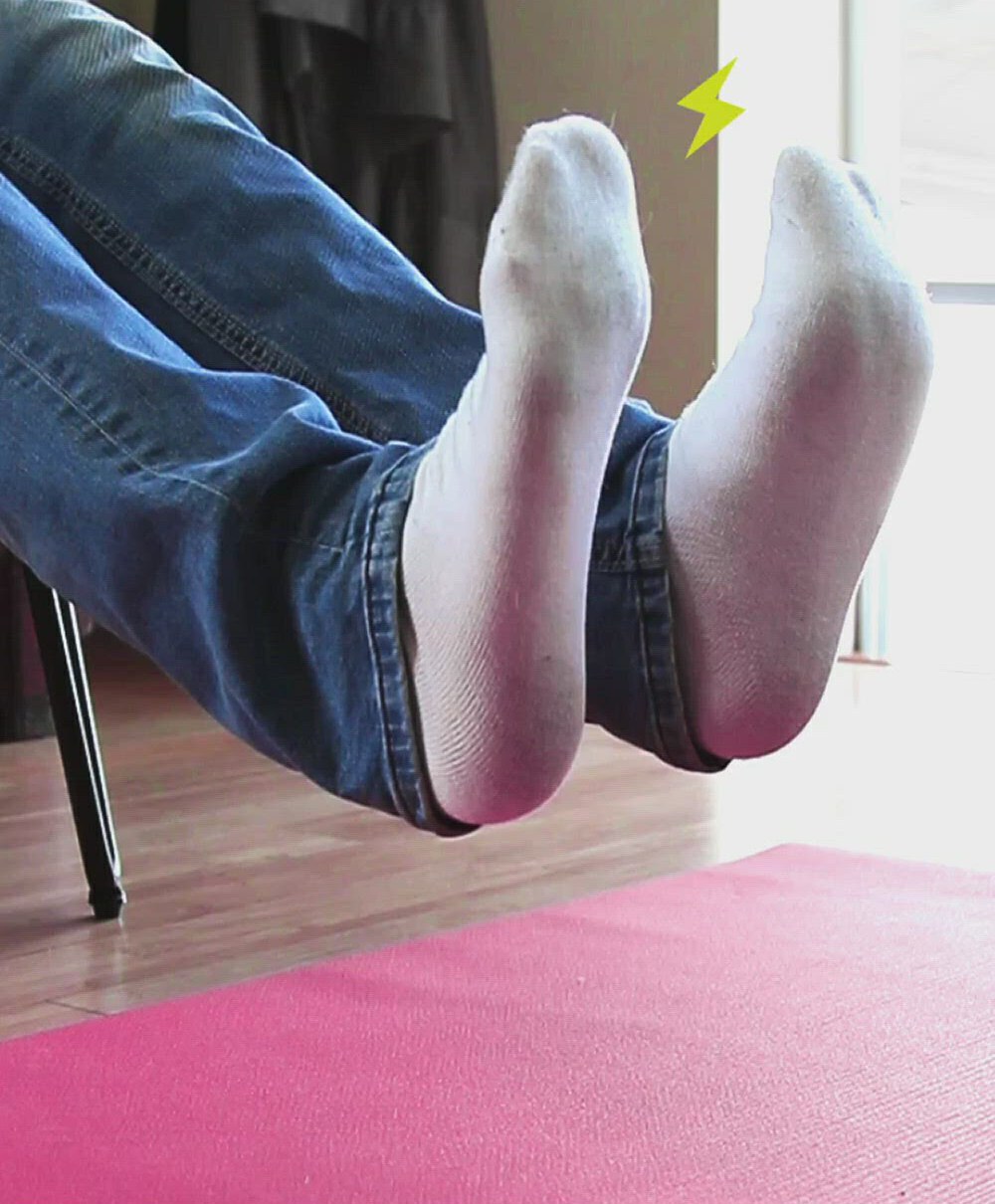 81 exercises
Feet Relief
Self-massage techniques combining stretching and pressure points for foot rejuvenation.
 11 exercises
Body Scan Wind Down
A gratitude ritual where you thank each body part before rest.
 14 exercises
Goodnight Self Massage
Gentle self-squeezes that release tension and signal your body it's bedtime.
 11 exercises
Gravity Release
Slow, sinking movements that melt tension and ease you toward sleep.
Want the full routine?
Three minutes, guided by audio, in the iOS app. Or add Wakeout to Chrome — every new tab becomes a tiny movement break.