Wakeout pack — 15 exercises
Stress Unwind
An aggressive tension-release routine featuring punches, chops, and hard thigh smacks. Best for evenings when stress has built up and gentle movements won't cut it. The intense physicality resets your nervous system and purges tension so it doesn't contaminate your sleep.
sittingbedroomeveningdo anywhere15 exercises
30-second preview
Reach for this when…
Your day is still buzzing through you at bedtime, a gentle stretch won't cut it, and you need to punch it out first.
Why this happens
There's a category of stress that gentle stretching cannot touch — the kind where the nervous system is too activated to settle through slow movement alone. For that state, physiology offers a specific fix: discharge first, settle second. Aggressive physical movement (punches, chops, smacks, stomps) burns off the circulating stress hormones and sympathetic activation that accumulate across a hard day. Trauma researchers and somatic therapists have documented this pattern repeatedly — animals shake off threat with intense movement before returning to rest, and humans have the same wiring. Trying to skip the discharge and go straight to slow stretching often fails when activation is high. This pack is built for that exact moment: standing by the bed in the evening, body humming, mind replaying the day, needing something more than a breath exercise. Throw the punches, do the chops, smack the mattress. After the discharge, slower wind-down packs work better. Evening use, not morning — this is a discharge tool, not an energizer.
About this routine
Best in the evening, bedside, when stress has built beyond what gentle movement can address. Requires bed or similar surface to chop and smack into, plus standing space. Skip if you have acute shoulder, elbow, or wrist pain, recent injury to the upper body, or if aggressive movement triggers a panic response (some trauma survivors find intensity activating rather than discharging). Safe during most pregnancies with reduced intensity. Physical discharge, not therapy — if stress is chronic or trauma-related, a clinician matters more than a routine.
Use this pack when you need to…
Built for these moments
Loosen Neck & Shoulders
Moves aimed at your neck and shoulders, plus arm-only work and push-ups or desk pumps where your arms hold you up.
Why this pack: Overhead Sledgehammers, punches and chops get your arms and shoulders moving, and the whole pack is about letting go of the tension that likes to settle in your neck.
Engage My Hips
Hip exercises, leg stretches, kicks and Pilates-style moves that get your hips and legs happily in motion.
Why this pack: Thigh Smacks, Thigh Presses and Thigh Karate Chops bring your legs into the fun, so your hips get in on the action too.
Gain Mental Clarity
Cardio moves like punches, kicks, jumps and desk pumps that send oxygen through your blood and leave your head feeling clearer.
Why this pack: Double Punch Downs, Twist And Punch and other lively moves get oxygen pumping and give your nervous system a reset, so your head can feel clearer after.
Improve Mood
Playful moves for when your mood dips at work, from dancing to pretend punches, kicks and a little fun with your office chair.
Why this pack: Lateral Jabs, Down Punches and friends give frustration a fun place to go, and you can do them right from your seat at work.
Frequently asked
What people ask about stress unwind
Why does aggressive movement help with stress more than gentle stretching?
High stress activates the sympathetic nervous system, flooding the body with adrenaline and cortisol. That activation doesn't dissipate on its own through stillness — it needs to be metabolized, which requires physical effort. Trauma and stress researchers (Peter Levine, Bessel van der Kolk, among others) have written extensively about discharge as a necessary first step before the body can settle. Trying to go from high activation straight to calm often fails because the stress chemistry is still circulating.
Is it safe to punch my bed?
Yes, a mattress is a safe target for controlled punches and smacks — soft enough to absorb force without injury, firm enough to give feedback. Keep the wrist straight, land on the knuckles (not the wrist bones), and don't swing with reckless force. If you have any wrist or elbow sensitivity, reduce intensity. A pillow stack also works if the mattress feels wrong.
Why evening and not morning for this pack?
This pack is an evening discharge tool, not an energizer. The intensity is high enough that doing it in the morning can leave you wired rather than focused, and the point is to clear residual stress so you can sleep. Morning stress usually responds better to slower activation (movement + breath) rather than aggressive physical discharge. For morning mood lift, Pajama Dance or Funrobics fit better.
What should I do after the discharge?
Once the aggressive movement is done and you feel the activation drop, slower practices work much better than they would have before. A short breathing sequence, a few slow stretches, or the Sleep pack all land well after the discharge. The order matters — discharge first, settle second. Skipping the discharge often means the settle phase never actually takes hold.
Will this wake me up instead of helping me sleep?
For most people, aggressive discharge followed by slower wind-down leaves them calmer and more ready for sleep than they were before, even though the movement itself was intense. The key is not stopping at the intense phase — if you punch and chop for four minutes and then immediately lie down, you may feel more activated. Add a few minutes of slow breathing or gentle stretching after, and the nervous system tends to downshift quickly.
You might also like
Packs built for the same body, a slightly different moment.
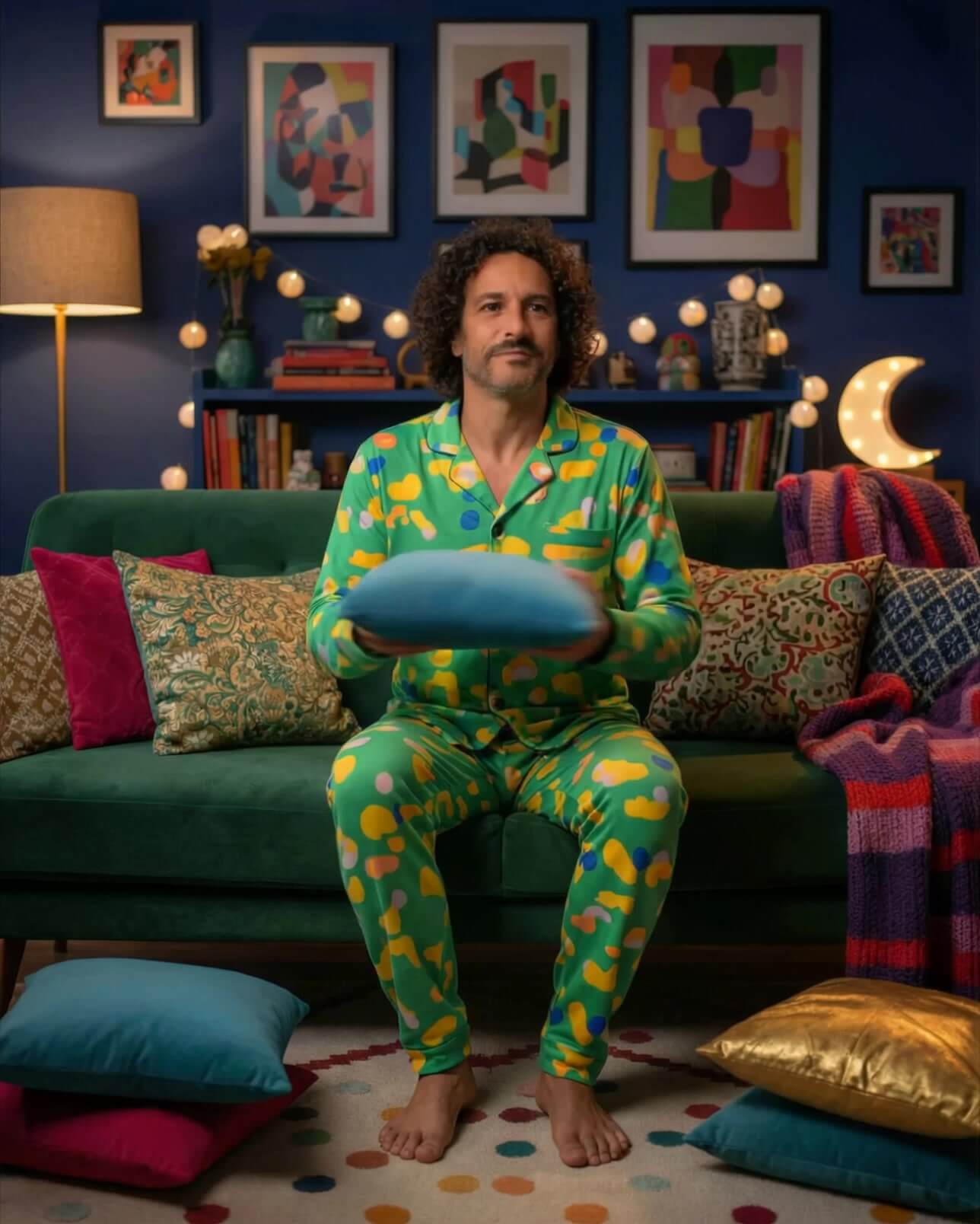 14 exercises
Couch Tension Release
Punch and smack your cushions to release the day's frustrations.
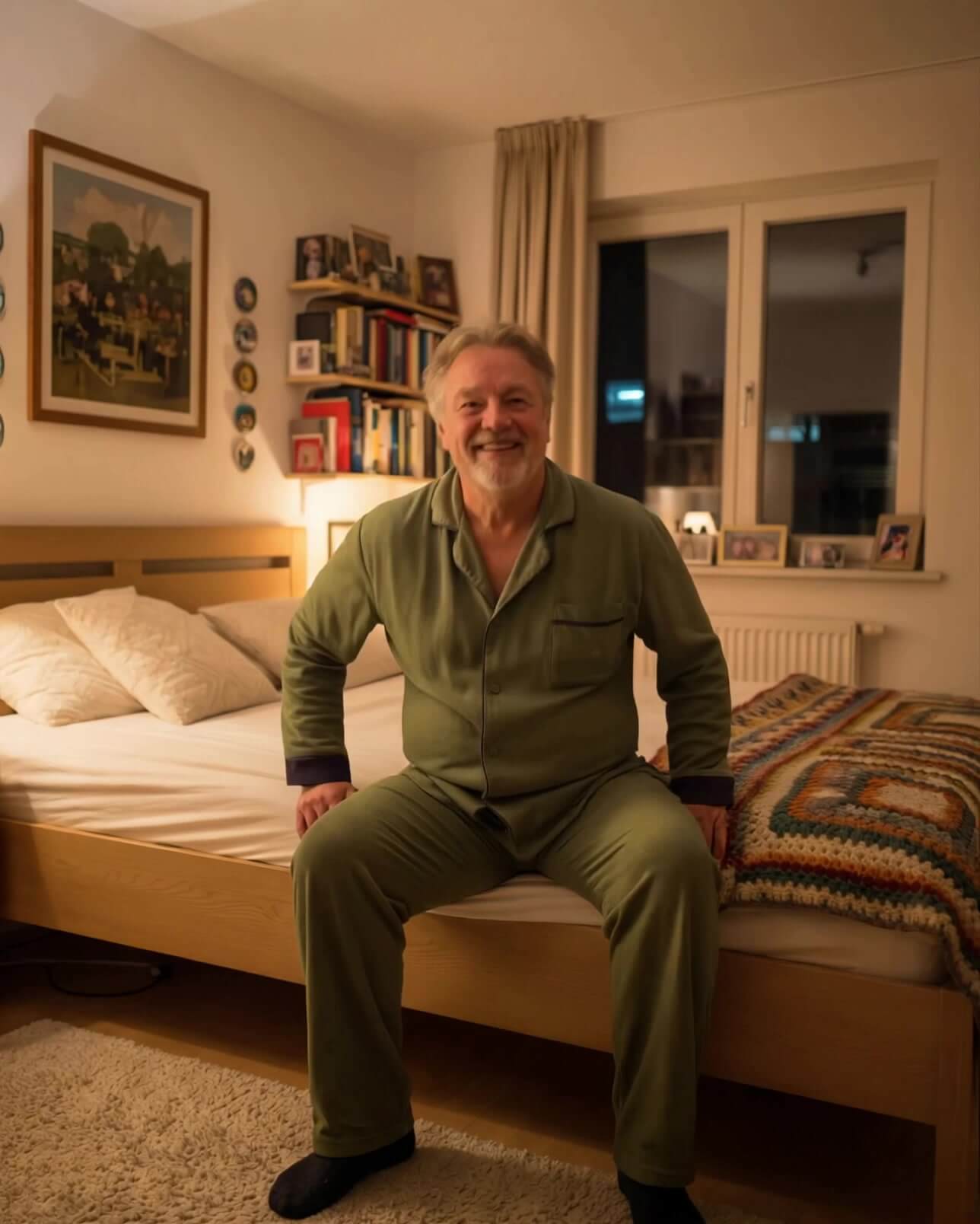 12 exercises
Bed Bounce Chaos
Playful bed-edge bouncing that shakes off stress and brings back childlike lightness.
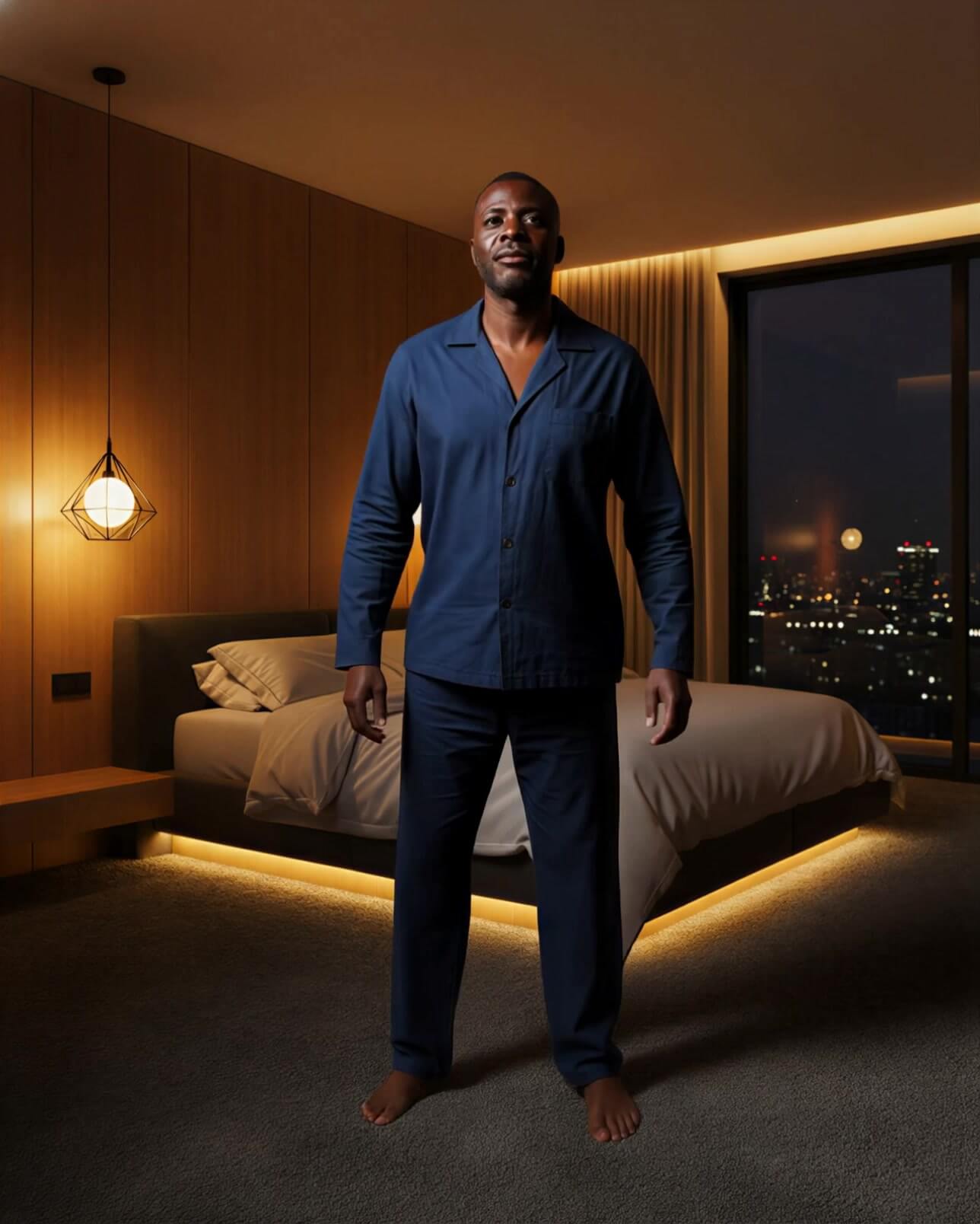 14 exercises
Tension Release Shake Down
Vigorous full-body shaking that leaves the day's tension on the floor.
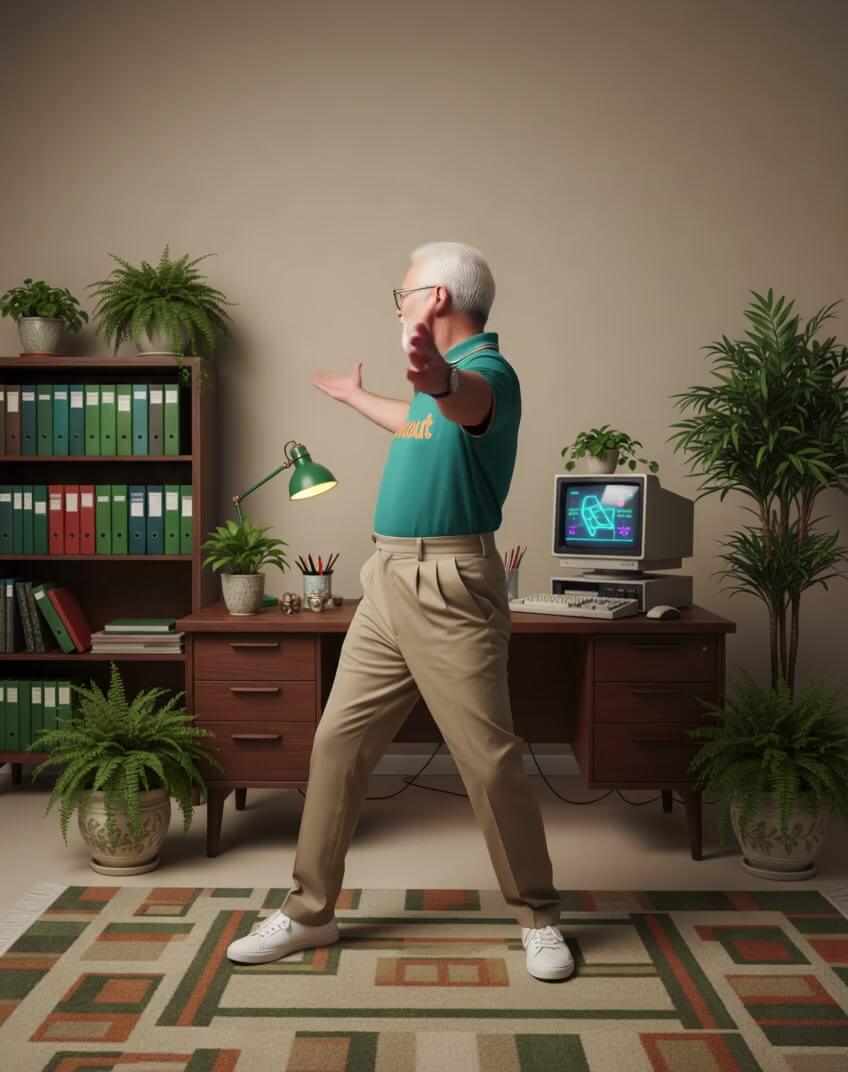 16 exercises
Home Office Basic Yoga
Simple standing yoga poses that enhance mobility and clarity without needing a mat.
 48 exercises
Face Yoga
Tone and energize facial muscles with targeted yoga-inspired exercises.
Want the full routine?
Three minutes, guided by audio, in the iOS app. Or add Wakeout to Chrome — every new tab becomes a tiny movement break.