Wakeout pack — 14 exercises
Couch Tension Release
An intense cushion-punching and smacking routine that lets you physically release pent-up frustration. Best for evenings when you're in pajamas but still carrying the day's stress in your body. The vigorous movements reset your nervous system and prevent tension from following you to bed.
sittingliving roomeveningdo anywhere14 exercises
30-second preview
Reach for this when…
It's evening, you're on the couch, the day was a lot, and you need to punch something that won't mind.
Why this happens
Unexpressed frustration doesn't disappear — it lives in the body as residual muscular tension, elevated cortisol, and a nervous system stuck in low-grade sympathetic activation. The research on physical expression of anger is nuanced: rumination plus venting makes things worse, but movement-based discharge without rumination measurably reduces arousal and normalizes heart-rate variability. The difference is whether the body gets to complete an activation that the day didn't let it finish. This pack is built around couch cushions as a safe target — punching, pushing, squeezing, and throwing are the physical vocabulary of frustration, and giving them a harmless object lets the body discharge without the social cost or injury risk. Eight to twelve minutes, typically in the evening after a hard day, with permission to actually hit something. The distinction from Stress Unwind is setting: this one is the couch specifically, with cushions at hand. Afterward, most people notice a real drop in bodily charge — shoulders lower, jaw unclenched, breath deeper without effort. That's the nervous system resetting.
About this routine
Best in the evening after a genuinely hard day, on the couch, when you have cushions to hit and no one to disturb. Cushions required. Skip if a shoulder, wrist, or back injury would make impact unsafe, or if vigorous expression reliably spirals into rumination for you — Couch Unwind is gentler. Not suitable right before sleep — the activation can delay sleep onset. Not medical advice, but it's prevented a lot of regretted texts.
Use this pack when you need to…
Built for these moments
Boost Energy
High-energy moves you can do seated or standing, like seated boxing and kicks, right at your desk when you need a lift.
Why this pack: Seated cushion punches, side punches and an overhead smash turn your spot into a high-intensity mini boxing ring that can wake your whole body up.
Gain Mental Clarity
Cardio moves like punches, kicks, jumps and desk pumps that send oxygen through your blood and leave your head feeling clearer.
Why this pack: Intense cushion punches, Cushion Shakes and a Cushion Smasher finish get oxygen pumping through your blood, which can help your busy head feel clearer.
Frequently asked
What people ask about couch tension release
Does punching a pillow actually help with anger?
Yes, if it's done without rumination — physical discharge without replaying the trigger reduces arousal and completes the sympathetic activation the body was holding. The research is specific here: punching while angrily rehearsing the grievance increases anger; punching while focusing on sensation and breath reduces it. The movement discharges the nervous system; the rumination keeps reloading it. Use the couch cushion as a target, not as a stand-in for the person who annoyed you.
Why do I feel better after physical movement when I'm frustrated?
Frustration is partly unfinished sympathetic activation — adrenaline and cortisol produced for a fight-or-flight response that then had no physical outlet. Physical exertion completes the cycle the body was expecting, burns through the stress hormones, and triggers a parasympathetic rebound afterward. This is why exercise reliably reduces irritability and why sitting with frustration for hours makes it worse. The body was built to move through the activation, not hold it.
Isn't it bad to express anger physically?
Direction matters. Expressing anger at a person, object you'd regret breaking, or in a way that reinforces the narrative is counterproductive. Expressing the physical charge of anger through harmless movement — punching a cushion, pressing against resistance, shaking out the shoulders — discharges it without reinforcement. The cultural advice to 'not express anger' often conflates these two very different things. Your body doesn't need to punch anyone; it does benefit from punching something.
Can I do this right before bed?
Not ideal — the sympathetic activation from vigorous movement can delay sleep onset by thirty to sixty minutes, which defeats the purpose of winding down. Do this earlier in the evening, ideally ninety minutes before you plan to sleep, so the arousal curve has time to come back down. Then transition to a gentler wind-down like Comfy Tension Release or Body Scan Wind Down closer to lights out. The sequence matters: discharge first, settle second.
What if I don't feel angry, just stressed?
This pack still works for general sympathetic overactivation, even without clear anger. The mechanism is physical discharge of stored tension and completion of held activation, which applies equally to stress that didn't name itself as anger. If the body feels wound up — shoulders held, jaw tight, restless — the discharge helps regardless of emotional label. For lower-charge evening tension that doesn't need punching, Tension Release Shake Down is the softer alternative.
You might also like
Packs built for the same body, a slightly different moment.
 15 exercises
Stress Unwind
Punches, chops, and smacks to shake off tension before bed.
 12 exercises
Bed Bounce Chaos
Playful bed-edge bouncing that shakes off stress and brings back childlike lightness.
 30 exercises
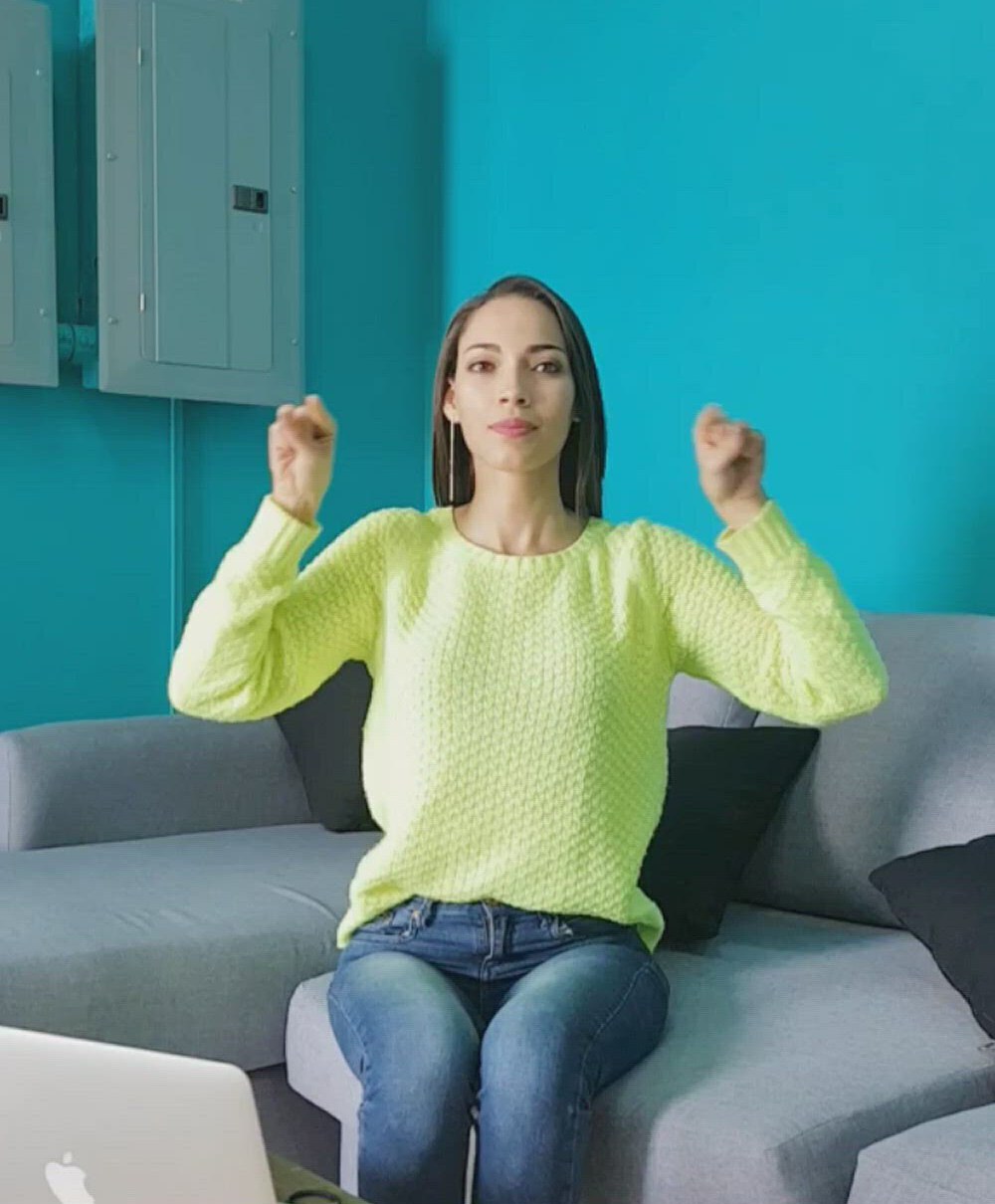
Lounge
Energize between meetings with discrete movements for office lounge spaces.
 28 exercises
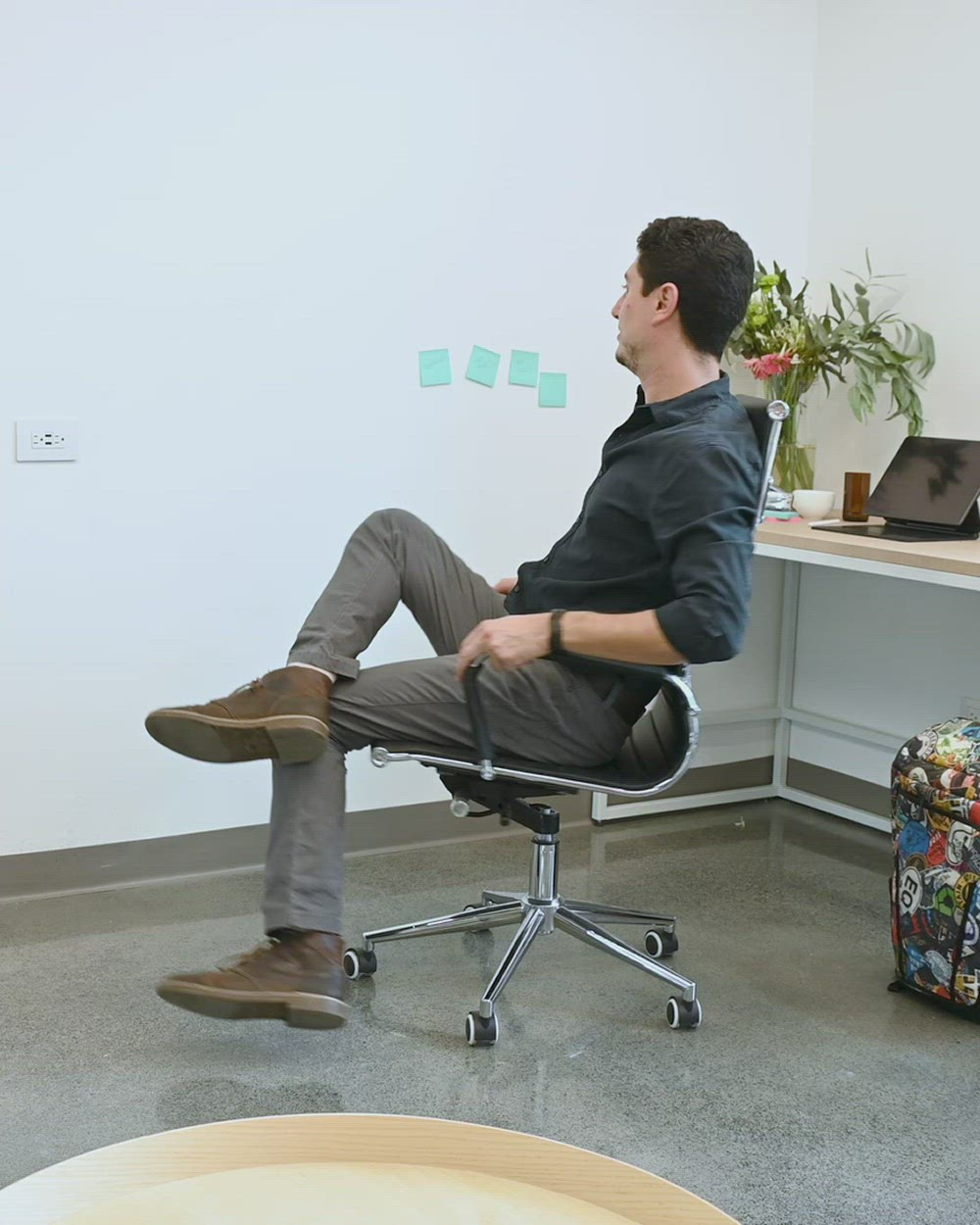
Office Chair
Playful chair exercises that turn your office chair into exercise equipment.
 14 exercises
Tension Release Shake Down
Vigorous full-body shaking that leaves the day's tension on the floor.
Want the full routine?
Three minutes, guided by audio, in the iOS app. Or add Wakeout to Chrome — every new tab becomes a tiny movement break.