Wakeout pack — 18 exercises
Productivity Break By Francesco D'Alessio
Desk-based exercises designed to maintain focus and energy during work sessions.
sittingdeskmiddaydo anywhere18 exercises
30-second preview
Reach for this when…
You're deep in a task, your focus is starting to thin, and you want a gentle reset that keeps your momentum going.
Why this happens
Sustained attention is metabolically expensive. The prefrontal cortex uses disproportionate glucose and oxygen to keep focus on one thing, and after roughly 45 to 90 minutes of concentrated work, the return on that effort drops sharply — concentration thins, minor errors creep in, and the feeling most people describe as 'stuck' takes over. The research on attention restoration is clear that short, physically active breaks outperform longer passive ones (scrolling, snacking, refreshing email) because they let the attention system actually reset rather than just switching targets. This pack is built for that specific moment: mid-task, still-engaged-but-slipping, needing a reset without losing the thread. Three or four minutes of gentle seated and standing movement to clear circulatory fog and briefly disengage the prefrontal cortex — not enough to break flow, enough to return to the task with the brain restored. Built around the same logic as Pomodoro, with actual movement instead of just a timer.
About this routine
Best mid-task when focus dips but you're still engaged — usually 45 to 90 minutes into a work block. Takes about three minutes, works at a desk or standing nearby. Safe for anyone healthy enough to sit and stand. Skip if the 'break' you need is actually rest — this won't replace sleep deprivation or sustained overwork. Not medical advice, just better cognitive hygiene than refreshing your inbox.
The routine
18 exercises in this pack
#
Arm Rest Dips
Backward Arm Circles - Left
Backward Arm Circles - Right
Backward Shoulder Rolls
Crossed Arms Side Pulls
12 more in this pack
Unlock the full routine.
The iOS app plays all 18 exercises in order, with audio cues, countdown, and a streak that keeps you honest.
Use this pack when you need to…
Built for these moments
Loosen Neck & Shoulders
Moves aimed at your neck and shoulders, plus arm-only work and push-ups or desk pumps where your arms hold you up.
Why this pack: Right at your desk, head circles, shoulder rolls, arm circles and overhead elbow pulls help your neck and shoulders let go of tension mid-work.
Gain Mental Clarity
Cardio moves like punches, kicks, jumps and desk pumps that send oxygen through your blood and leave your head feeling clearer.
Why this pack: Designed to keep your focus and energy up during work, this desk-side mix of seated twists, wrist circles and arm presses helps clear your head without breaking a sweat.
Frequently asked
What people ask about productivity break by francesco d'alessio
How long should I work before taking a break?
The research on sustained attention suggests most people hit diminishing returns somewhere between 45 and 90 minutes of focused work. The exact number varies by task complexity, sleep quality, and individual variation — a hard cognitive task might hit the wall at 40 minutes, a familiar one at 80. The practical rule: when you notice quality slipping or find yourself rereading the same sentence, you've already gone past the point where a break would have helped. Take it earlier next time.
Why not just scroll my phone for three minutes?
Because it doesn't reset attention the same way. Scrolling keeps the prefrontal cortex engaged on novel, rapid stimuli, which is stimulating but not restorative — the attention system stays 'on' the whole time. Physical movement, by contrast, lets the cognitive load drop genuinely, and the return to the task feels clearer. Most people also report that phone breaks tend to expand past the intended duration in a way a movement break doesn't. The timer itself is part of why movement works better.
Will a short break actually make me more productive, not less?
Generally yes, for cognitive work lasting longer than about an hour. The loss from three minutes of movement is more than made up for by the recovery in focus quality in the following block. The exception is when you're already in deep flow and about to finish something — interrupting that to 'take a break on schedule' usually costs more than it returns. Breaks are a tool, not a rule. Use them when you need them.
How is this different from flow_state_primer or post_meeting_recovery?
Flow State Primer is pre-work activation — before a focus block starts. Post Meeting Recovery is for the specific cognitive fatigue after video calls. productivityBreak sits in the middle of a solo work session, designed to reset attention without ending the session. Pick based on where you are in the arc: starting, finishing a meeting, or partway through the work itself.
You might also like
Packs built for the same body, a slightly different moment.
 30 exercises
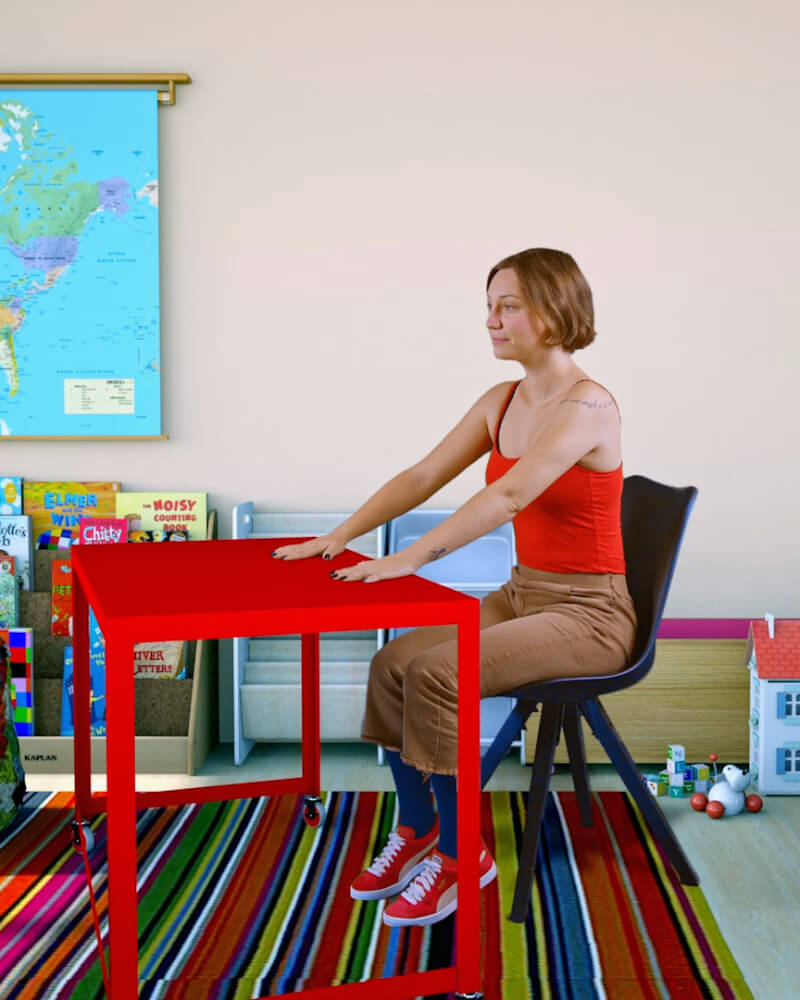
Lounge
Energize between meetings with discrete movements for office lounge spaces.
 12 exercises
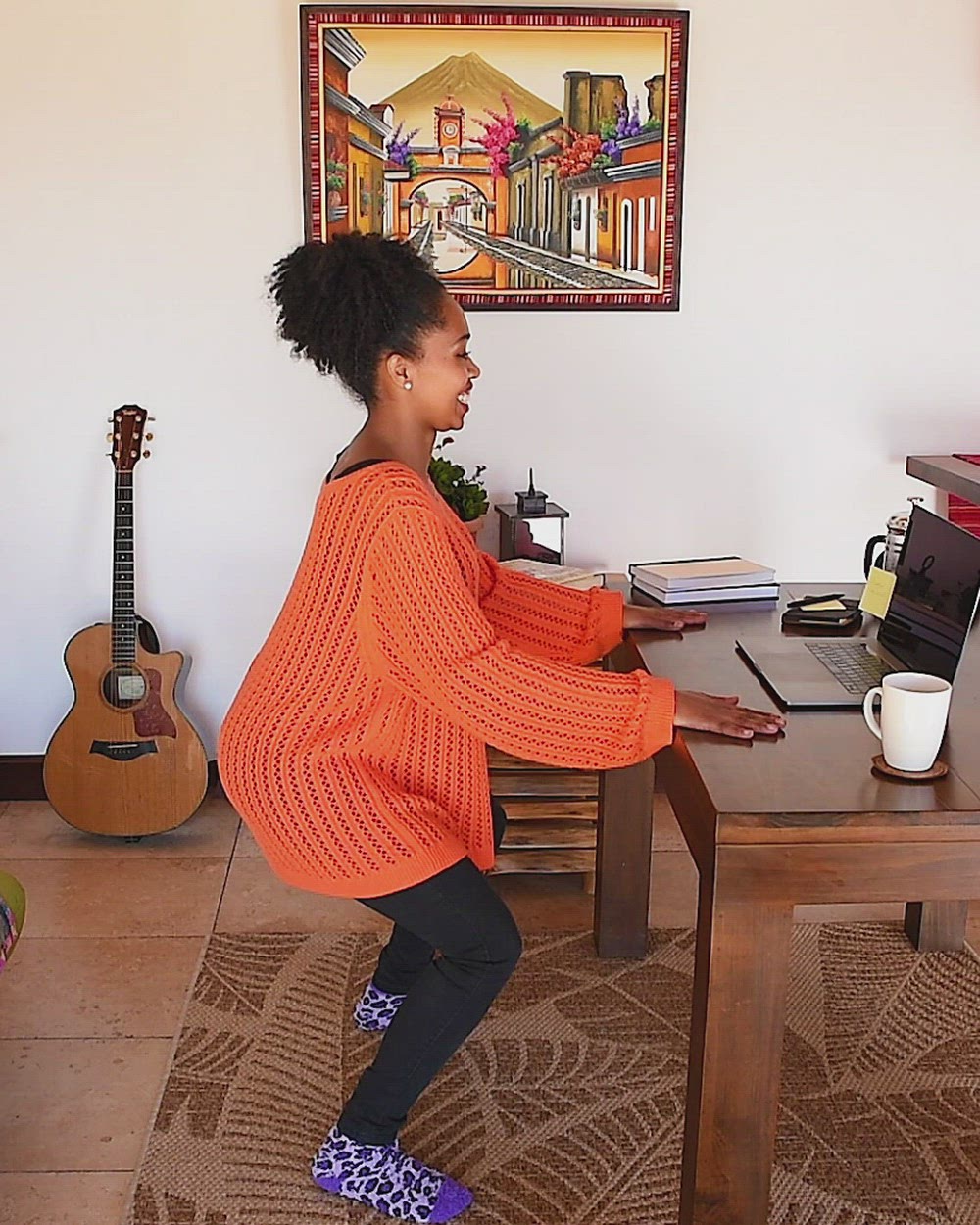
Desk Pump
Use your desk and chair as exercise equipment to maintain energy and strength.
 101 exercises
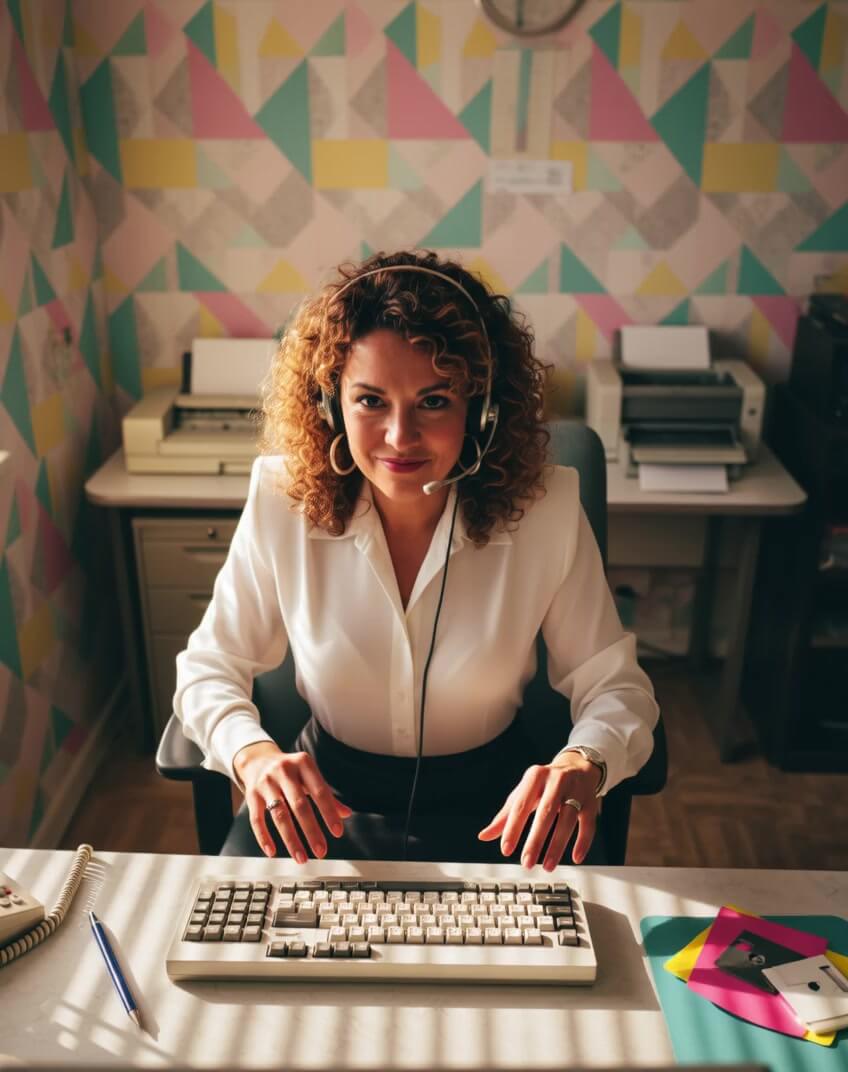
Coffee Break
Transform coffee breaks into energizing movement sessions using office props.
 14 exercises
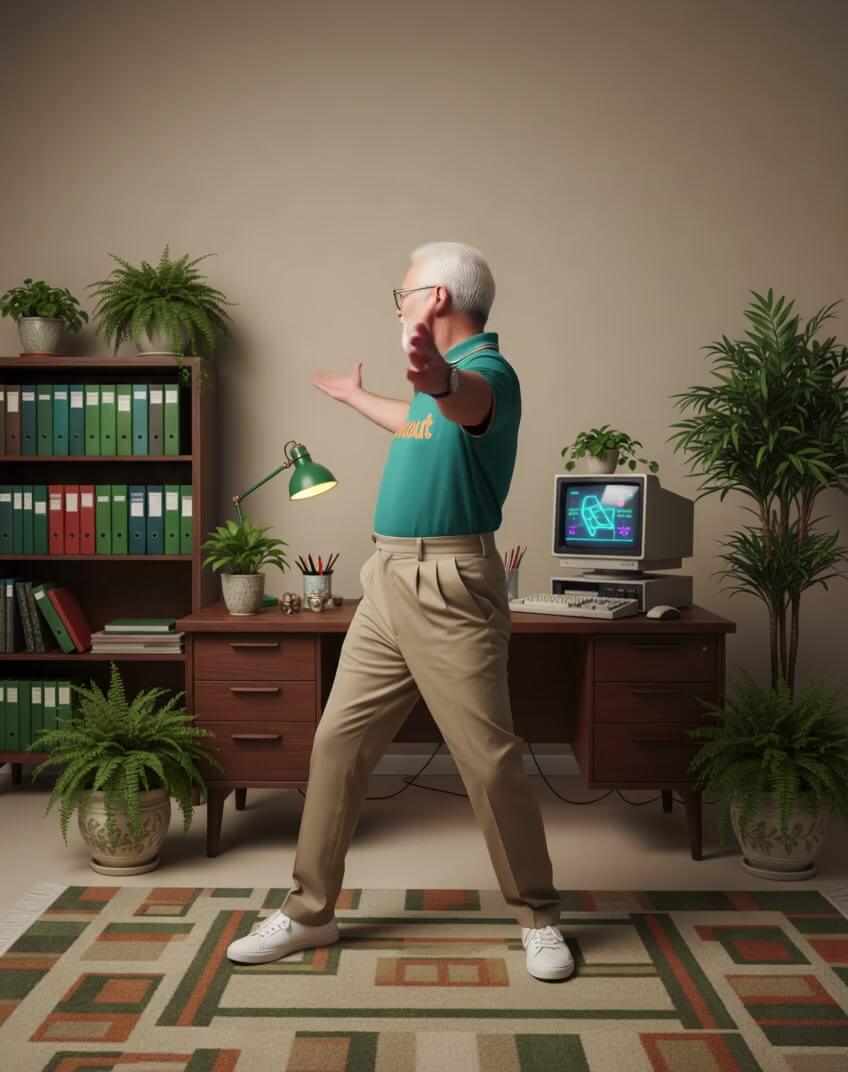
Zoom Meeting Fatigue
Relieve meeting fatigue with discrete desk movements you can do between calls.
 16 exercises
Home Office Basic Yoga
Simple standing yoga poses that enhance mobility and clarity without needing a mat.
Want the full routine?
Three minutes, guided by audio, in the iOS app. Or add Wakeout to Chrome — every new tab becomes a tiny movement break.