Wakeout pack — 13 exercises
Standing With A Cushion
Transform a cushion into a creative prop for standing resistance exercises.
standingliving room / deskmiddaydo anywhere13 exercises
30-second preview
Reach for this when…
You have a cushion within reach and want a playful standing break that turns it into light resistance work.
Why this happens
A couch cushion is a surprisingly good training prop. It's light enough to press overhead, soft enough to use as resistance without risk, and shaped to press between the knees or squeeze between the hands for isometric work. This pack uses a standing cushion as the centerpiece — pressing, squeezing, rotating, and pressing overhead — to turn a piece of furniture into a light resistance tool. The mechanism isn't load (a cushion is too light to build strength), but novelty and activation: holding and moving an object changes how the body organizes movement and brings attention to muscles that bodyweight alone doesn't reach. It also happens to be fun, which is underrated as a training variable. Best used midday when you want movement that's not a full workout but also not just stretching. Playful rather than prescriptive, but the body still gets something real — shoulder mobility, core rotation, and a small cardiovascular lift.
About this routine
Best midday for a playful movement break, requires a standard couch or throw cushion and enough standing space to press it overhead. Skip if you have acute shoulder or low-back issues that flare with overhead movement. Safe during most pregnancies with modifications. Not a real strength workout — the cushion is too light to build muscle. This is about variety, coordination, and having a prop in hand to make standing movement more interesting.
The routine
13 exercises in this pack
7 more in this pack
Unlock the full routine.
The iOS app plays all 13 exercises in order, with audio cues, countdown, and a streak that keeps you honest.
Use this pack when you need to…
Built for these moments
Activate My Legs
Higher-intensity leg moves, seated or standing, including kicks, sit-to-stands and office chair moves that put your legs to work.
Why this pack: Back Squats, Cushion Deadlifts and Knee To Hand Passes give your legs a playful bit of resistance while you balance, squat and move with a cushion in hand.
Engage My Hips
Hip exercises, leg stretches, kicks and Pilates-style moves that get your hips and legs happily in motion.
Why this pack: Cushion Deadlifts, Between Legs Passes and Under-knee Passes add a little resistance and balance to standing moves that get your hips and legs working.
Improve Mood
Playful moves for when your mood dips at work, from dancing to pretend punches, kicks and a little fun with your office chair.
Why this pack: Pancake Flips, Backspin Tosses and Behind-back Cushion Kicks make this a playful, creative pack that turns a humble cushion into a fun excuse to move.
Frequently asked
What people ask about standing with a cushion
Will a cushion give me a real workout?
A cushion won't build strength the way actual weights do — it's too light for meaningful resistance. What it adds is coordination, a focal point for movement, and mild core and shoulder activation from pressing and squeezing. Think of it as a movement facilitator rather than a fitness tool. If you want real resistance training at home, Water Bottles or Backpack use actual load.
Why use a prop if it's not building strength?
Props improve body awareness and often produce better movement than bodyweight alone. Having something to hold changes how you organize your shoulders, core, and breath — Pilates and yoga traditions both use props heavily for this reason. A cushion is specifically useful because it's forgiving (you can squeeze hard without injury) and versatile (between knees, between hands, overhead). It makes movement more engaging, which matters more than people assume.
Can I do this at a standing desk?
Yes, if you have a cushion within reach and enough floor space to move. The pack is designed for midday standing movement, which fits naturally with a standing desk break. The overhead movements need clearance (don't swing a cushion into your monitor), but most of the work stays close to the body.
What kind of cushion works best?
A firm throw pillow or couch cushion, roughly 15 to 20 inches on a side, works well. Too soft (a pillow that collapses) reduces the feedback benefit; too firm (a decorative bolster) is awkward to squeeze. A standard sofa cushion is ideal. You can also use a folded blanket if no cushion is handy, though the tactile feedback is less clear.
You might also like
Packs built for the same body, a slightly different moment.
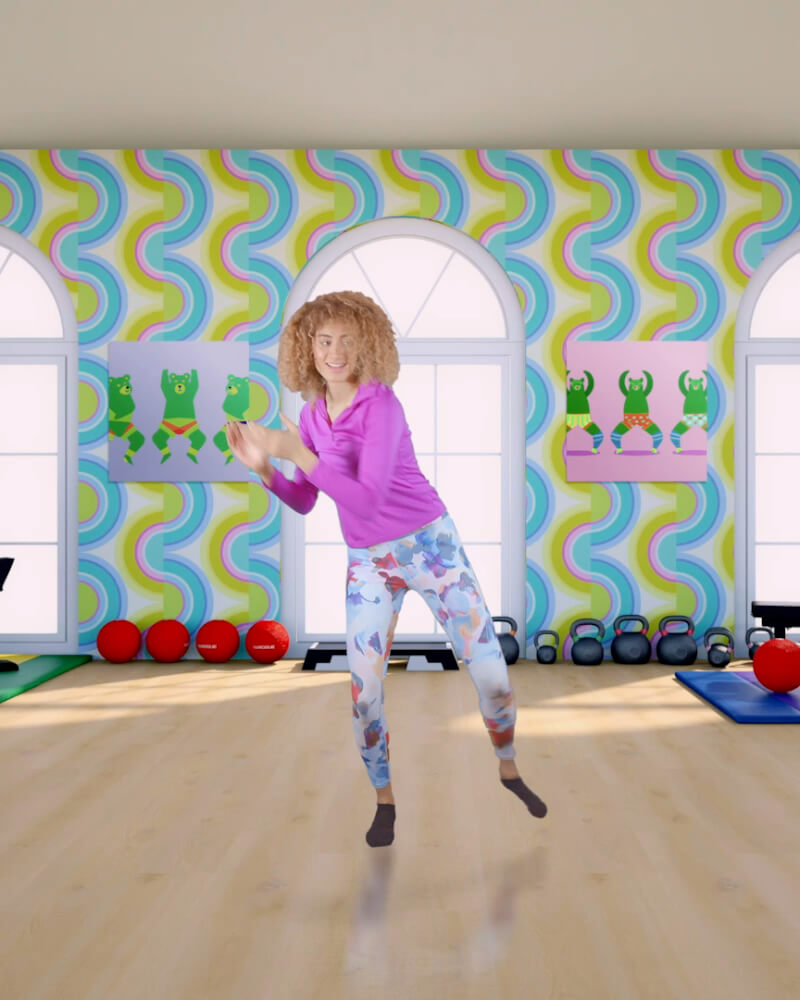 13 exercises
Funrobics
Retro 80s aerobics with upbeat movements updated for modern times.
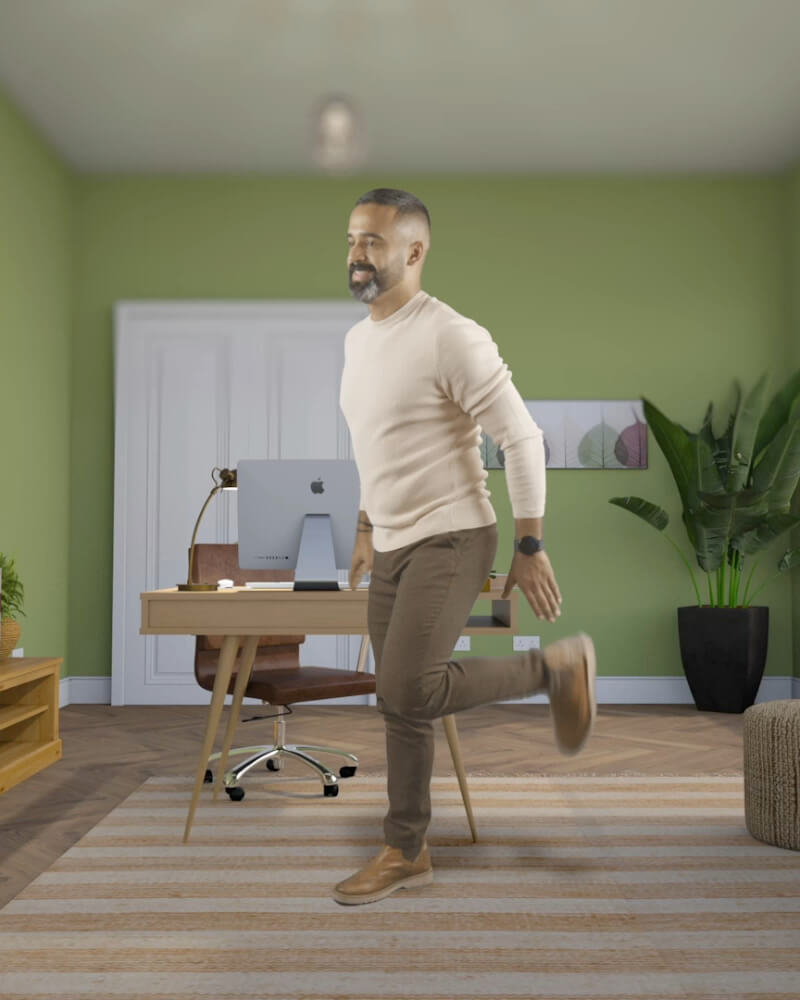 13 exercises
Fun Kicks
Playful kicking movements that energize your legs and promote lower body circulation.
 12 exercises
Laundry Room
Transform laundry waiting time into strength training with baskets and detergent bottles.
 18 exercises
Work From Home Basics
Gentle, confidence-building movements perfect for beginning your activity journey.
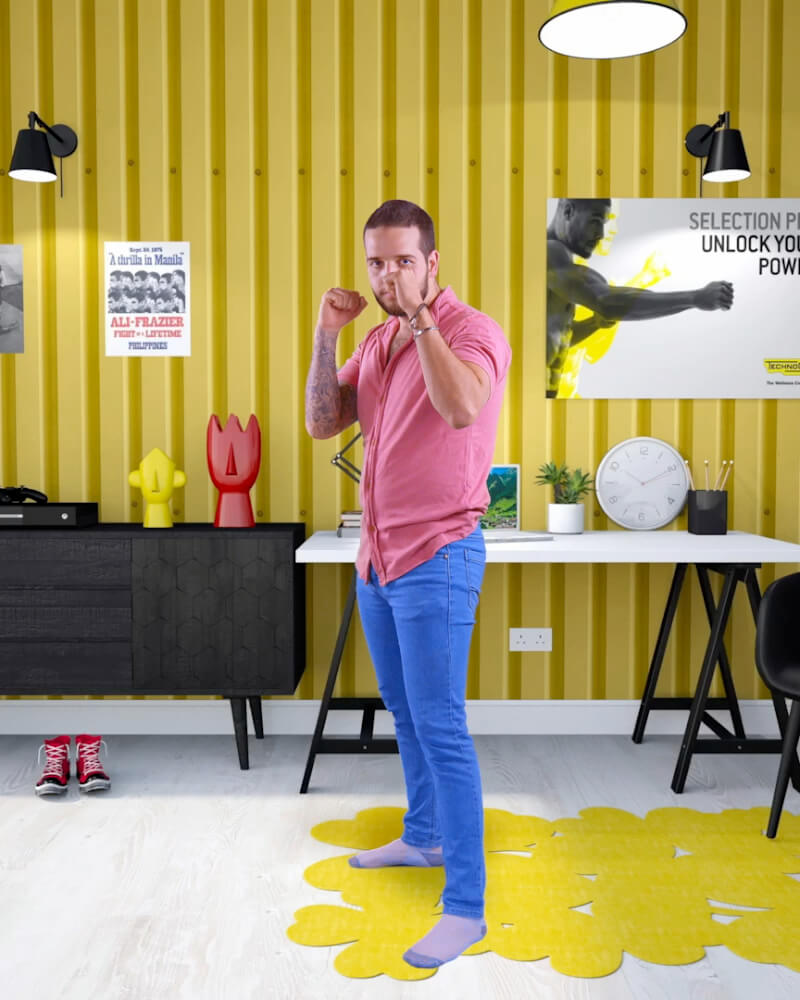 19 exercises
Standing Boxing
Upright boxing combinations that boost energy and confidence without equipment.
Want the full routine?
Three minutes, guided by audio, in the iOS app. Or add Wakeout to Chrome — every new tab becomes a tiny movement break.