Wakeout pack — 13 exercises
Couch To Bed Transition
A focused routine of pressure points and sensory techniques—squeezing your temples, forehead, and jaw while blocking your eyes and ears. Perfect after a binge-watching session when your mind is still buzzing with screens. The concentrated pressure and sensory deprivation shut down mental chatter and guide you into sleep-ready stillness.
sittingliving roomeveningdo anywhere13 exercises
30-second preview
Reach for this when…
You just finished a binge-watch, the credits have rolled, and your brain is still buzzing too loudly to fall asleep.
Why this happens
Three hours of streaming doesn't just tire the eyes — it leaves the visual cortex in a state of continued activation long after the screen goes dark. That's why closing the laptop at 11pm and expecting to sleep at 11:05pm rarely works. The brain is still processing motion, color, and narrative while the body is trying to power down. This pack uses gentle pressure applied to specific points around the eye sockets, temples, and base of the skull to reduce sensory input and trigger parasympathetic tone via the trigeminal and vagus nerve pathways. The pressure tells the nervous system it's safe to shut down inputs. Most people find the transition between couch and bed becomes less of a thirty-minute staring-at-the-ceiling exercise and more of a genuine handoff. Done seated, no equipment, no light required.
About this routine
Best for nights when a long watch-session has left the brain buzzing and sleep feels unreachable. All movements are seated on the couch or bed edge and take about four minutes. Skip this pack if you have glaucoma, recent eye surgery, or any diagnosed eye pressure condition — pressure around the sockets is contraindicated there. Safe during pregnancy. None of this replaces proper sleep hygiene, but it's helped a lot of people bridge the gap between screen and pillow.
The routine
13 exercises in this pack
#
Screen Neck Release
Enjoy The Silence
Eye Socket Gentle Massage
Forehead Rest In Hands
Brow Smooth Away
7 more in this pack
Unlock the full routine.
The iOS app plays all 13 exercises in order, with audio cues, countdown, and a streak that keeps you honest.
Frequently asked
What people ask about couch to bed transition
Why can't I sleep after watching TV for hours?
Extended screen time keeps the visual cortex and reticular activating system engaged well past when the screen turns off. Your brain was just processing dozens of scene changes per minute with bright, blue-weighted light hitting your retinas; that level of cortical activation doesn't wind down in five minutes. Add in narrative arousal from whatever you were watching and your nervous system is still in 'paying attention' mode even though the room is dark. The residue is what keeps you staring at the ceiling.
How do pressure points on the face help with sleep?
Light pressure on the eye sockets, temples, and suboccipital region stimulates branches of the trigeminal and vagus nerves, which shift the autonomic system toward parasympathetic dominance. Mechanically, it also reduces ongoing sensory input from overactive facial muscles and the oculomotor system. The combination tells the brain that incoming stimulation has dropped, which is one of the cues it uses to start the sleep cascade. It's not magic; it's nervous-system signaling.
Is this the same as acupressure?
The mechanisms overlap but the framing is different. This pack targets anatomical structures — the supraorbital notch, the temporal fossa, the occipital ridge — based on what's underneath the skin, not traditional meridian theory. You get similar parasympathetic effects because you're pressing on the same nerve bundles that acupressure targets, just with a Western-anatomy explanation. Either way, the goal is to quiet down an overstimulated system, not to redirect energy flow.
Should I do this every night or only after long TV sessions?
Use it when the specific problem is overstimulation — long movies, doomscrolling, late-night gaming. For generic 'can't sleep' nights, a broader sleep-prep routine is a better fit; try the Sleep pack or the Gravity Release pack for surrender-themed wind-down. This one is built around a very specific problem: the brain is still processing screens and the body needs to stop receiving new inputs before it can rest.
Can I do this in bed instead of on the couch?
Yes — the pack works just as well sitting on the edge of the bed, which is often the more natural transition point. The only reason the name references the couch is that most people finish a binge session there and need to physically relocate to sleep. If you're already in bed, just stay there. The pressure-point work doesn't require any specific surface, only that you're sitting up rather than lying flat.
You might also like
Packs built for the same body, a slightly different moment.
 14 exercises
Couch Unwind
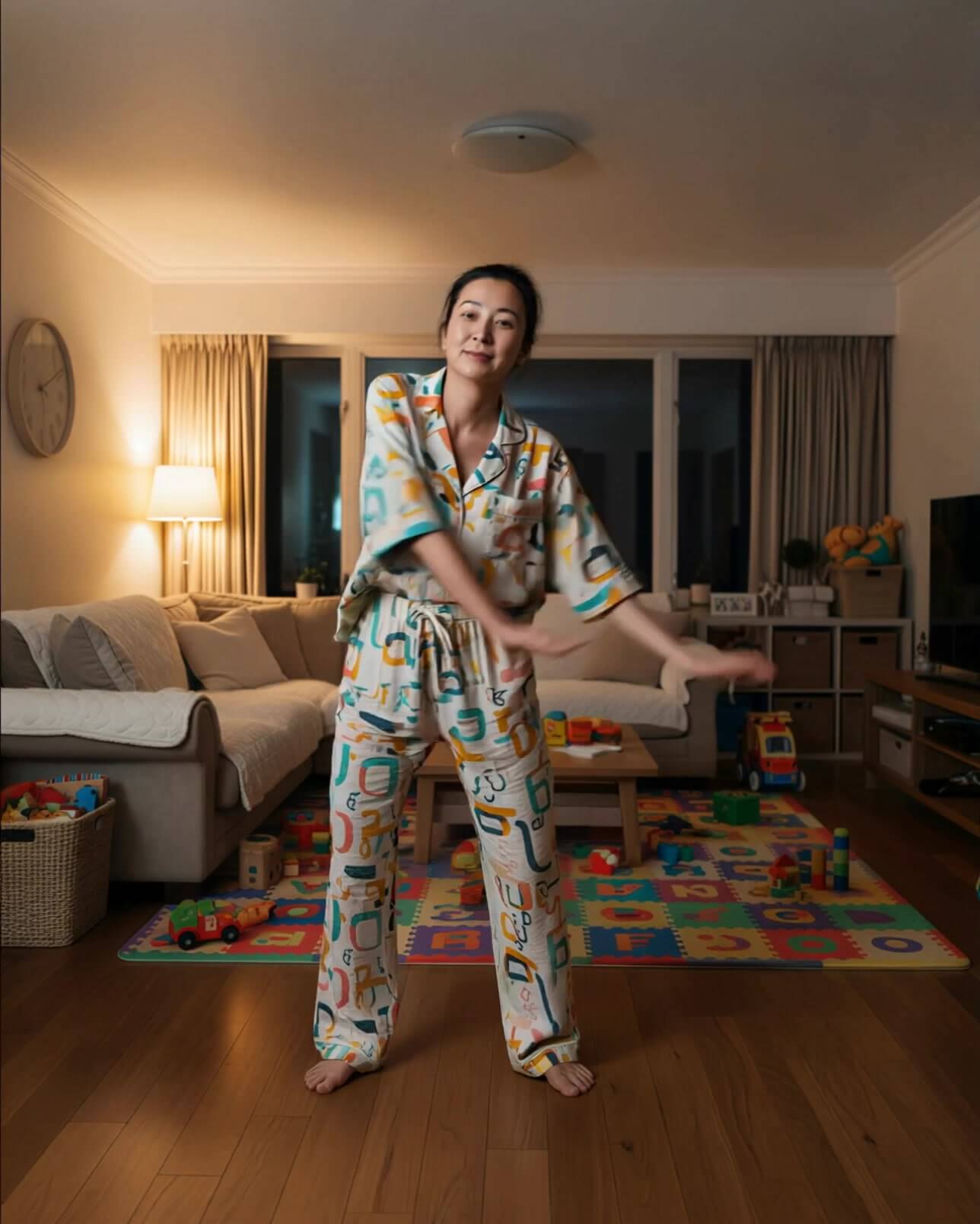
Pajama-ready cushion movements to transition from screen time to sleep time.
 13 exercises
Evening Breathing Ritual
Lights-off yoga and tai chi breathing to quiet your mind for sleep.
 11 exercises
Body Scan Wind Down
A gratitude ritual where you thank each body part before rest.
 14 exercises
Goodnight Self Massage
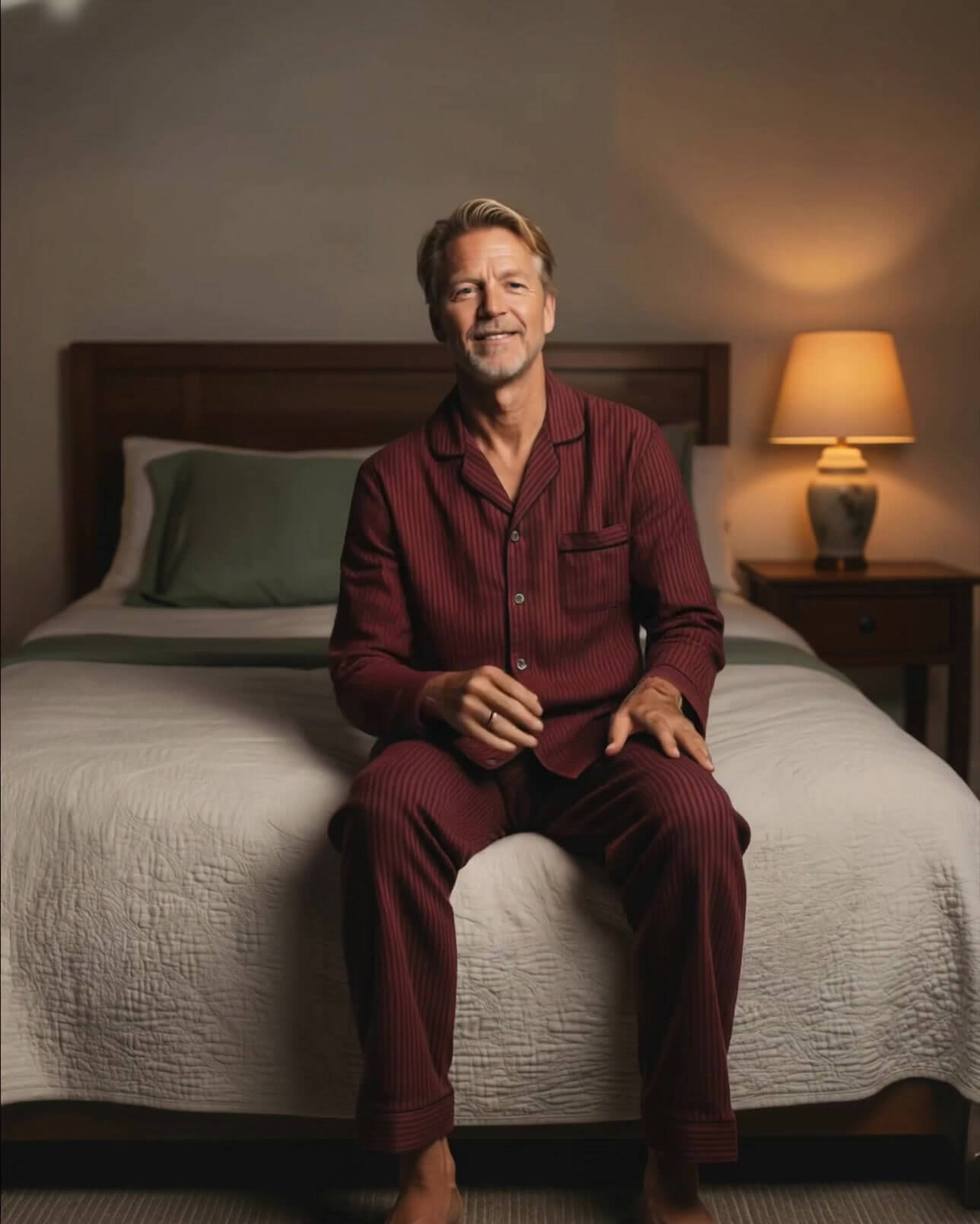
Gentle self-squeezes that release tension and signal your body it's bedtime.
 11 exercises
Gravity Release
Slow, sinking movements that melt tension and ease you toward sleep.
Want the full routine?
Three minutes, guided by audio, in the iOS app. Or add Wakeout to Chrome — every new tab becomes a tiny movement break.