Wakeout pack — 50 exercises
Airplane
Keep circulation flowing with movements designed for cramped airplane spaces.
standingairplanemorning / midday / evening50 exercises
30-second preview
Reach for this when…
You're wedged into a coach seat on a long flight, legroom is a rumor, and the seat-belt sign just won't switch off.
Why this happens
Long-haul flights compress the body in ways the human circulatory system was never designed for. Sitting still in a pressurized cabin at 8,000-foot-equivalent altitude does three things at once: it slows venous return from the legs, thickens the blood slightly from cabin-air dehydration, and drops oxygen saturation by a few percent. That combination is why deep vein thrombosis risk climbs meaningfully on flights over four hours. The calf muscle is the body's secondary heart for the lower extremities, and when it stops contracting, blood pools in the deep veins of the legs. This pack is designed around the actual constraints of coach class — seat belt on, tray table up, neighbor close enough to smell — and cycles calf pumps, ankle circles, and seated torso mobility to keep blood moving without annoying anyone. Most of the movements work right in your seat, no aisle needed.
About this routine
Best for flights over three hours in a seat you can't easily leave. All movements work with the seat belt fastened and a tray table in any position. Skip if you have an active DVT diagnosis or recent leg surgery — you need compression socks, hydration, and a physician's plan, not a seated routine. Drink water between rounds; cabin air at 10 to 20 percent humidity dehydrates faster than people expect. None of this replaces medical advice for anyone at elevated clotting risk.
Use this pack when you need to…
Built for these moments
Gain Mental Clarity
Cardio moves like punches, kicks, jumps and desk pumps that send oxygen through your blood and leave your head feeling clearer.
Why this pack: Deep Breath, Cheekbone Rub and Airplane Marches get your circulation going right in your cramped seat, sending oxygen-rich blood to your brain even at altitude.
Frequently asked
What people ask about airplane
How can I reduce DVT risk on a long flight without leaving my seat?
The single most effective seated countermeasure is contracting the calf muscles regularly, which mechanically pumps blood out of the deep leg veins. Aim for 30 seconds of heel raises, ankle circles, or toe points every 30 to 45 minutes. Combine with steady water intake and loose clothing at the waist and knees. These measures matter most on flights over four hours and for anyone with added risk factors — recent surgery, hormonal contraceptives, or a personal or family history of clots.
Why do my legs swell so much on long flights?
Cabin pressure equivalent to 6,000 to 8,000 feet of altitude reduces the partial pressure of oxygen and shifts fluid out of the vascular system into soft tissue. Sitting still prevents the calf muscle pump from moving lymph and venous blood upward, so gravity pools fluid in the ankles and feet. This is why shoes feel tight on descent. Regular ankle pumping and calf contractions keep the fluid moving, and reducing salt and alcohol before and during the flight limits how much fluid accumulates.
Are these movements discreet enough for a middle seat?
Most of them are invisible to neighbors. Calf pumps, glute clenches, seated ankle circles, and wrist work all happen inside your own seat footprint. A few involve subtle torso twists or shoulder rolls that read as normal stretching. The pack intentionally avoids anything requiring aisle access or leaning into a neighbor. If the seat-belt sign is off and you can reach the aisle, walking for two minutes every hour adds meaningful benefit on top of these.
Should I do this on short flights too, or only long haul?
Flights under two hours carry minimal circulatory risk for most healthy adults, so it's optional. The physiological concern — pooled venous blood, mild dehydration, reduced oxygen — scales with total seated time. For anything over three hours, or any flight where you have known risk factors, doing a round every 30 to 45 minutes is worthwhile. On short hops, save it for when you notice your legs starting to feel heavy or your feet going numb.
You might also like
Packs built for the same body, a slightly different moment.
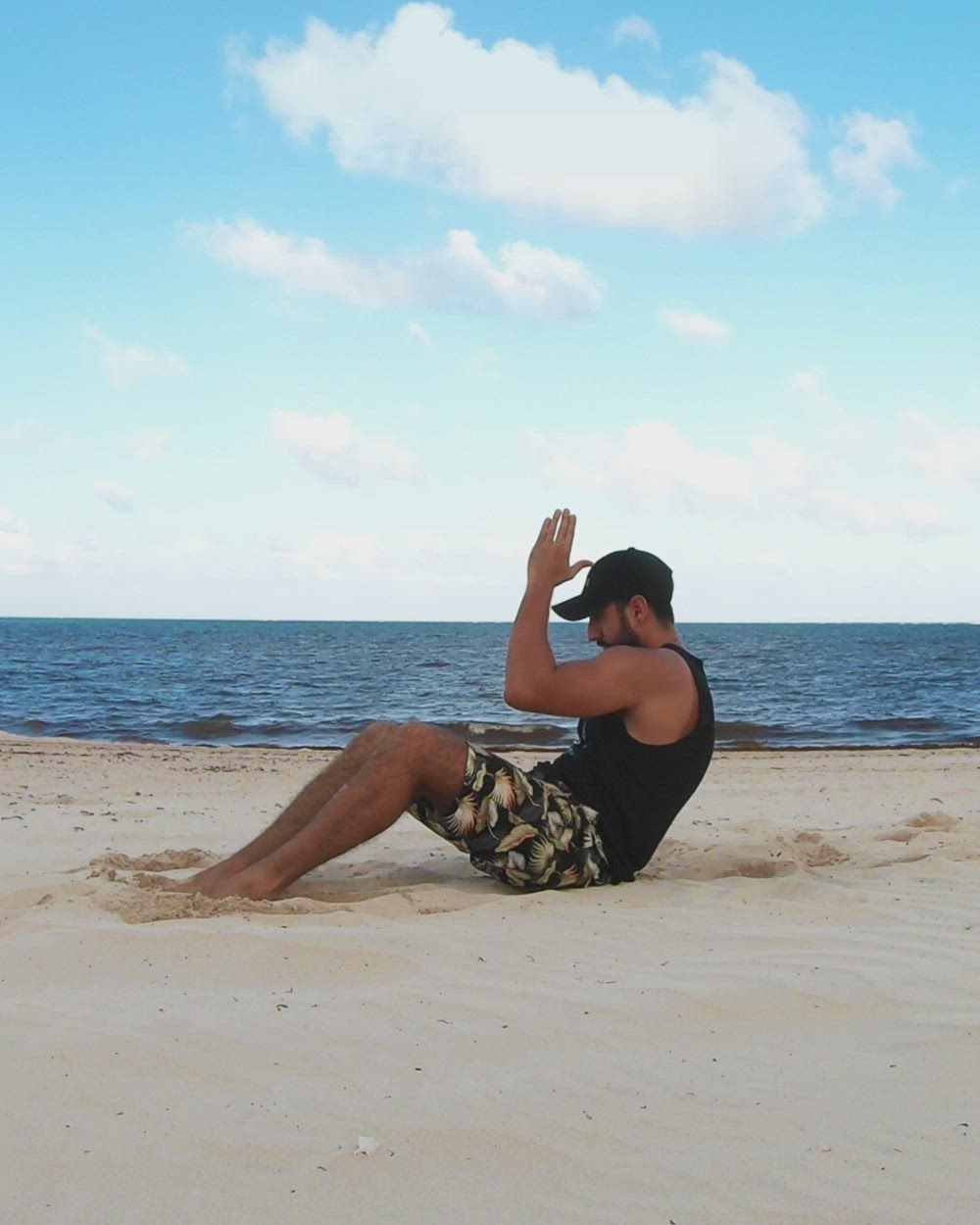 89 exercises
Beach
Beach-specific exercises using sand's natural resistance for a full-body challenge.
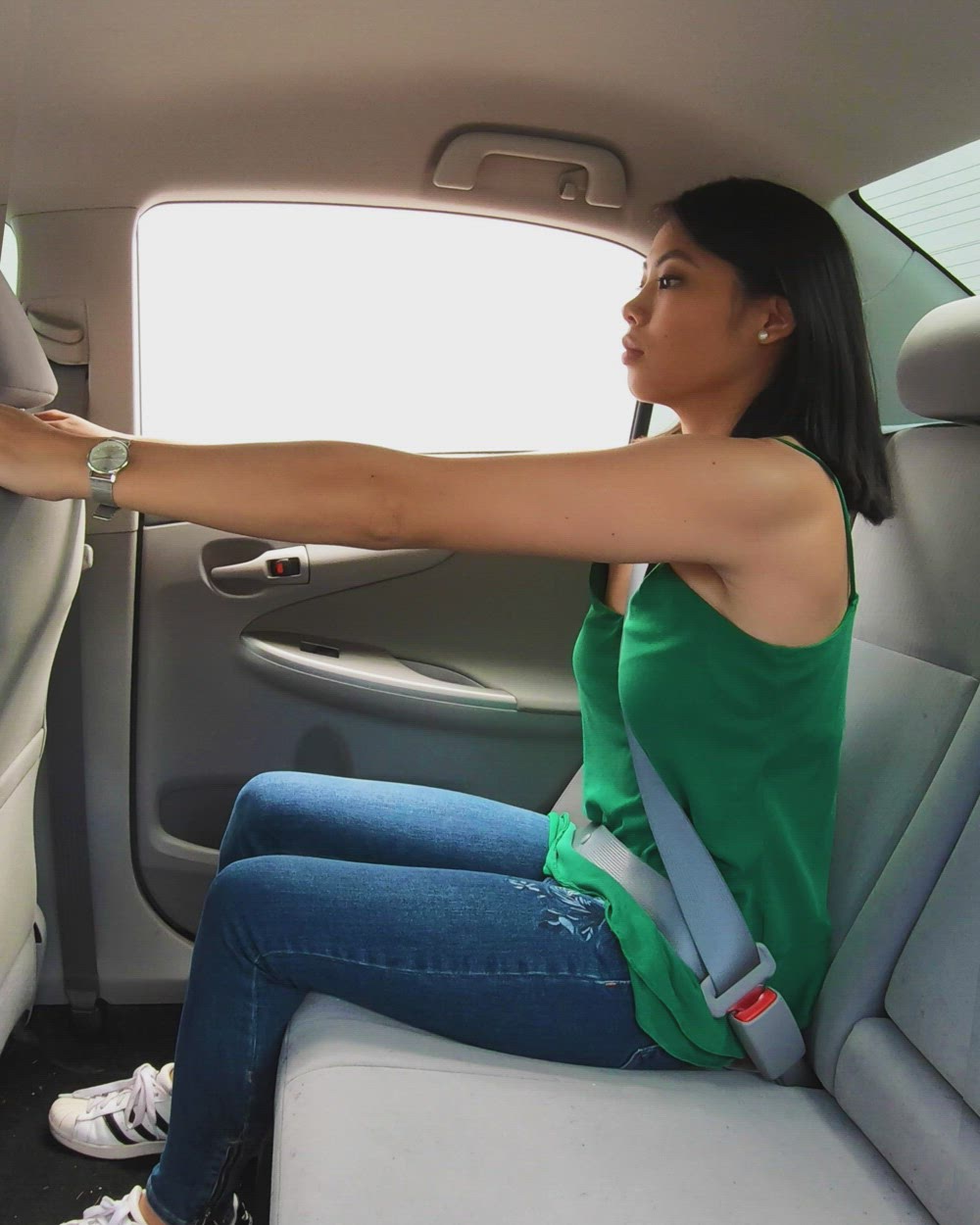 52 exercises
Car
Safe passenger exercises designed to prevent stiffness during long car trips.
 13 exercises
Mobility Range Extender
Delightful stretches targeting multiple body parts to expand range of motion.
 61 exercises
Park
Exercises designed for park benches and open areas to connect with nature.
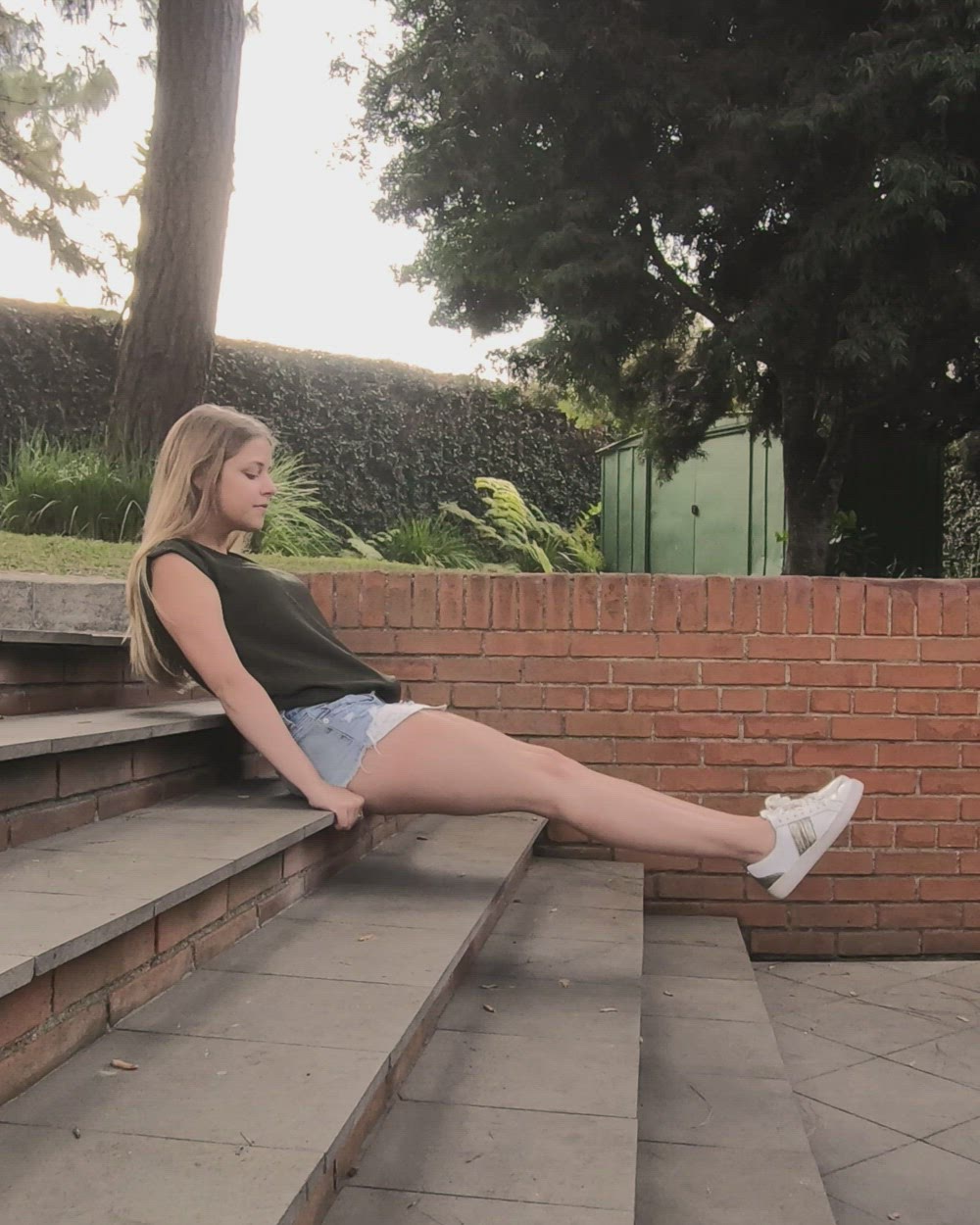 41 exercises
Stairs
Turn your staircase into a versatile tool for energy-boosting exercises.
Want the full routine?
Three minutes, guided by audio, in the iOS app. Or add Wakeout to Chrome — every new tab becomes a tiny movement break.