Wakeout pack — 18 exercises
Couch Stretch
Creative comfort-focused stretches using your couch as a stretch station.
sittingliving roommiddaydo anywhere18 exercises
30-second preview
Reach for this when…
You're on the couch with the laptop set aside and want to turn those cushions into a comfy spot for a good, unhurried stretch.
Why this happens
The couch is an underrated stretching prop. Most flexibility work assumes either the floor (which is cold and formal) or a chair (which is rigid and small). A couch offers a firm edge for hip-opener variations, a back cushion to brace against for thoracic extensions, and enough length to support full-body side stretches — without any of the ceremony of setting up a mat. This pack treats the couch as its own category of equipment. The focus is on passive stretching — positions held long enough for the nervous system to release tissue tension, rather than dynamic mobility work — which is what short, untrained tissue responds to best. The hip flexors, adductors, thoracic spine, and lateral chain get most of the attention, because those are the areas that desk-and-couch life shortens the most. Ten to fifteen minutes, mid-afternoon or early evening, laptop already set aside. For a working-while-seated version, Couch Laptop is the constrained variant.
About this routine
Best for a midday break or early evening when the couch is available and you can commit ten minutes without looking at a screen. Seated and half-kneeling positions against the couch, no other props. Skip if you have acute knee pain (some positions load the knee flexed against the cushion) or late-stage pregnancy where the hip geometry doesn't work. Safe for most bodies. Not medical advice, but regular couch stretching has quietly undone a lot of damage that regular couch-sitting caused.
The routine
18 exercises in this pack
#
Diagonal Right Hand To Floor
Forward Lean
Forward Lean With Legs Crossed
Hands To The Floor
Inside Shoulder Reaches
12 more in this pack
Unlock the full routine.
The iOS app plays all 18 exercises in order, with audio cues, countdown, and a streak that keeps you honest.
Use this pack when you need to…
Built for these moments
Strengthen Back
Desk yoga and focused moves that strengthen and stretch your lower back and give your spine some kind attention.
Why this pack: Forward Leans, Hands To The Floor and Knee Pulls let your couch help you ease into your lower back, giving a stiff spine some gentle, comfy attention.
Loosen Neck & Shoulders
Moves aimed at your neck and shoulders, plus arm-only work and push-ups or desk pumps where your arms hold you up.
Why this pack: Lateral Neck Stretches on both sides, Knee-supported Head Raises and Inside Shoulder Reaches give tight neck and shoulder spots a cozy release from your couch.
Engage My Hips
Hip exercises, leg stretches, kicks and Pilates-style moves that get your hips and legs happily in motion.
Why this pack: Left and Right Knee Pulls, Leg Compresses, Foot Up Twists and Leg Tucks get your hips and legs moving while your couch does the steadying.
Engage My Core
Torso twists, side touches and similar moves that work your whole core: your abs, your sides and your lower back.
Why this pack: Foot Up Twists, Diagonal Hand To Floor reaches and Leg Tucks wake up your torso and lower back, with your couch as a friendly stretch station.
Frequently asked
What people ask about couch stretch
What's the difference between passive and active stretching?
Passive stretching uses gravity, a prop, or an external force to hold a position while the muscle relaxes; active stretching uses the opposing muscle to pull into the stretch. Passive works better for chronically tight tissue because it lets the nervous system release protective tension over 30-90 seconds. Active is better for warm-up and movement prep because it recruits the muscles you're about to use. This pack is mostly passive because couch life creates tight, under-lengthened tissue that responds best to held positions.
How long should I hold a stretch to actually change flexibility?
For passive flexibility gains, 30-60 seconds per position, repeated across days, is the dose most research converges on. Shorter holds improve immediate range but don't produce lasting change. The nervous system takes roughly 20-30 seconds to reduce protective tension, and the tissue itself needs time at length to adapt. For acute tension relief without flexibility goals, even 15-20 seconds per position feels meaningfully better.
Can I use my couch as a yoga prop?
Yes, and for some postures it works better than the floor. The couch edge is at a useful height for hip flexor stretches (the trailing knee can rest on the cushion), the cushions provide padding for kneeling positions, and the back offers a brace for thoracic extension. Yoga purists will prefer a mat, but for home flexibility work the couch is a legitimate prop that removes a barrier to actually doing the thing.
Why are my hips so tight from sitting on the couch?
Hip flexion for hours shortens the iliopsoas and rectus femoris — the muscles that bring the thigh toward the torso. The couch is worse than a chair for this because the hip angle tends to be deeper, and people stay in the position longer without the natural interruptions of a workday. Passive stretching in hip extension (the opposite direction) over weeks is what restores length; single sessions feel better but don't produce lasting change.
Should I warm up before couch stretching?
Not really necessary for gentle passive work. Warming up matters before aggressive stretching or athletic activity; held, gentle stretches at moderate intensity are safe cold for most healthy adults. If tissue feels particularly resistant, a minute of slow movement — standing up and walking, a few gentle rotations — primes things without requiring a full warm-up. For more intense flexibility work later in the session, doing a few active movements first is useful.
You might also like
Packs built for the same body, a slightly different moment.
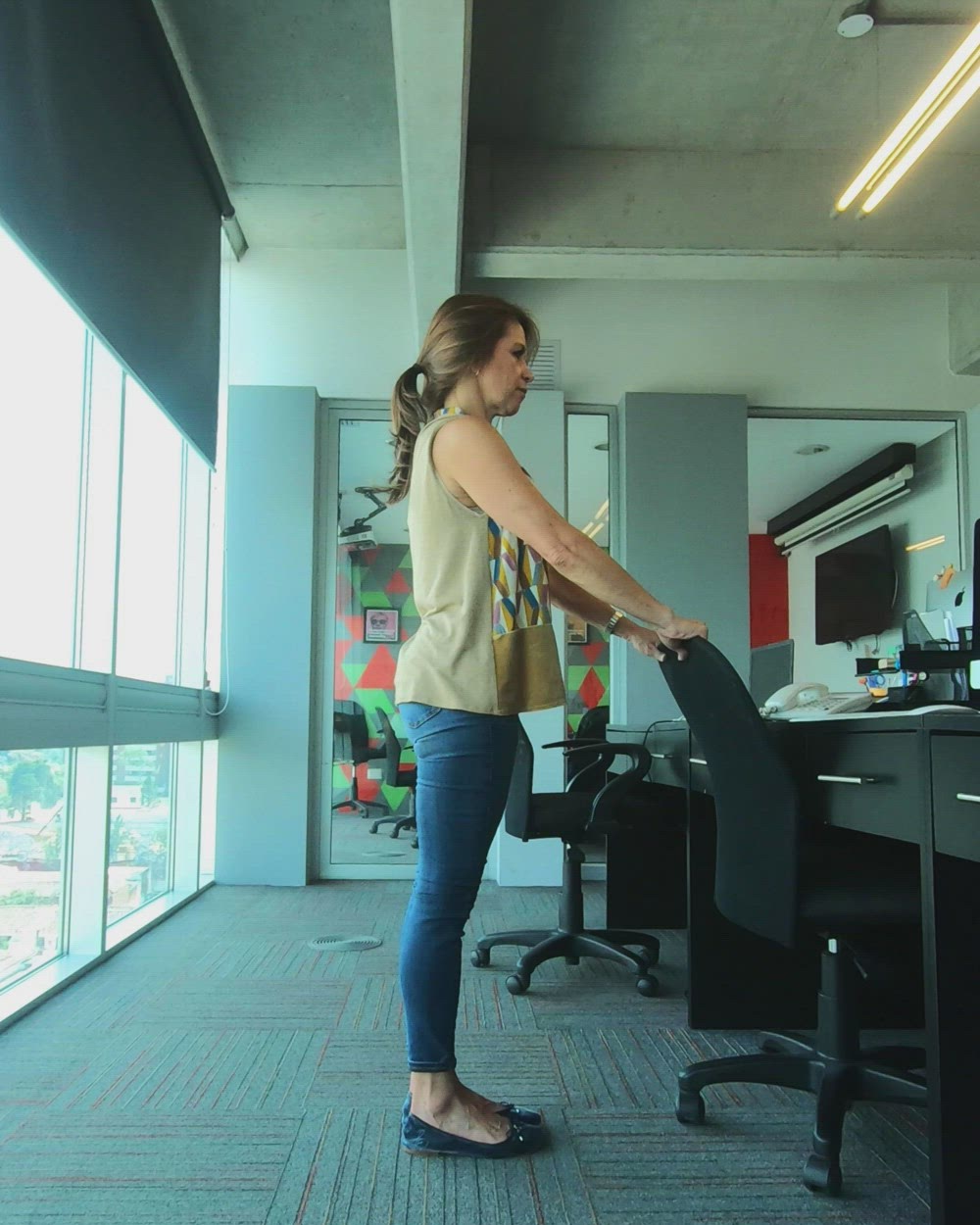 45 exercises
Office Yoga
Adapted yoga poses for the office environment, combining principles with practicality.
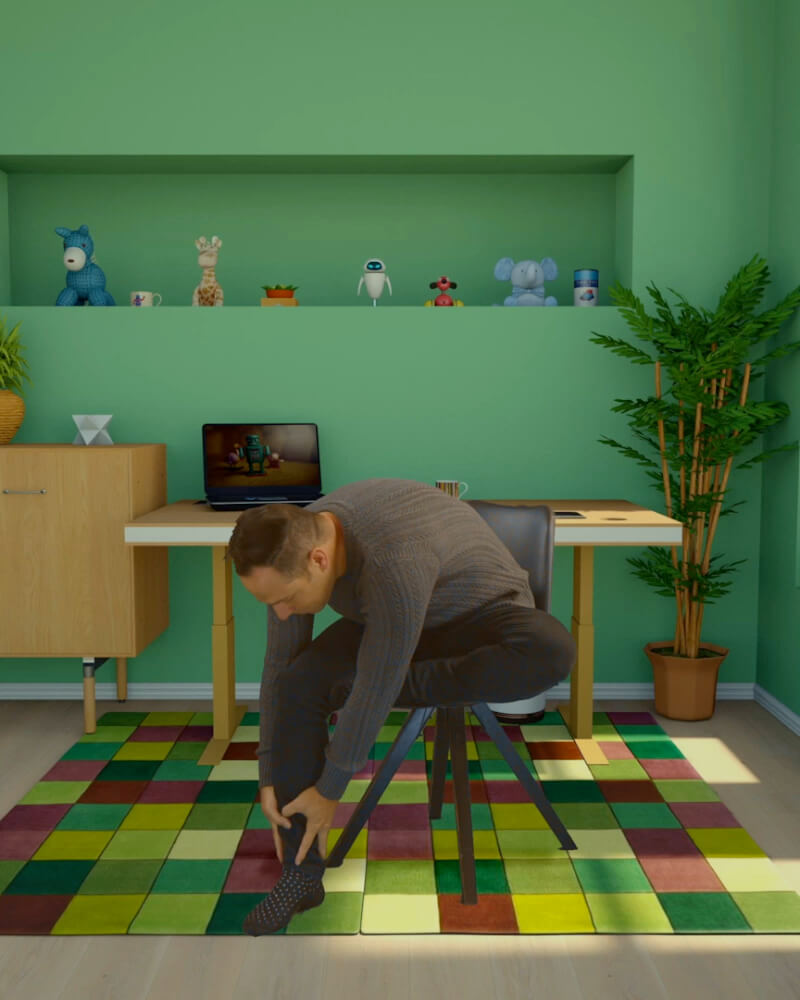 15 exercises
Lower Back Tension Release
Release lower back tension from prolonged sitting with targeted stretches.
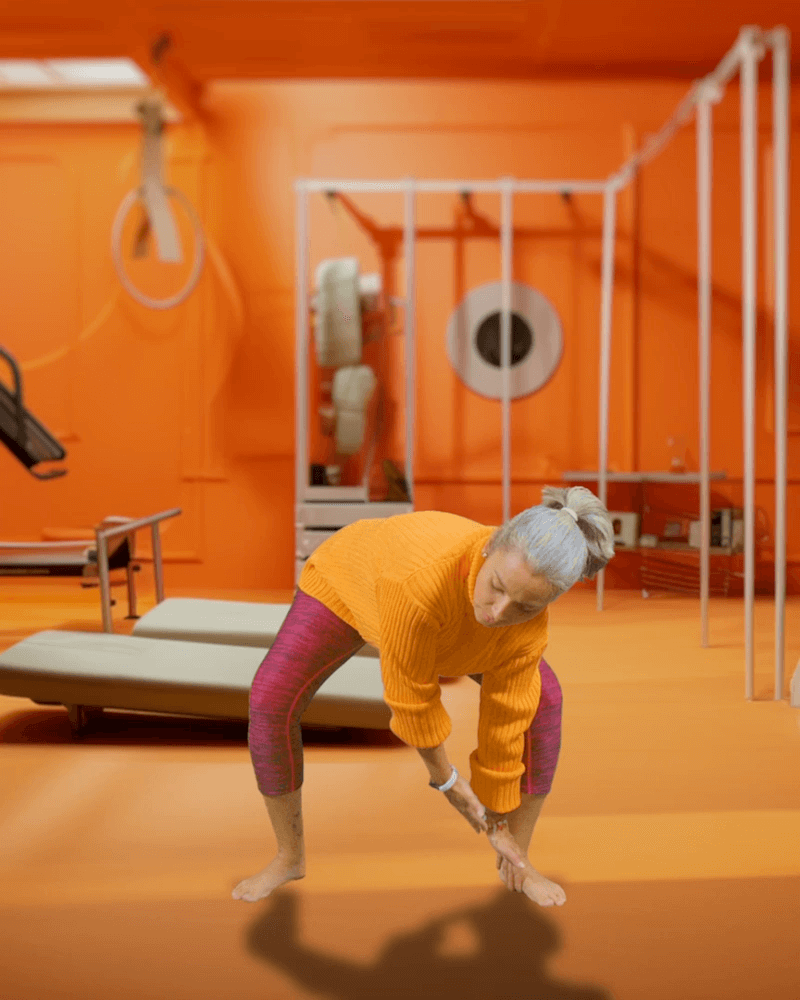 13 exercises
Mobility Range Extender
Delightful stretches targeting multiple body parts to expand range of motion.
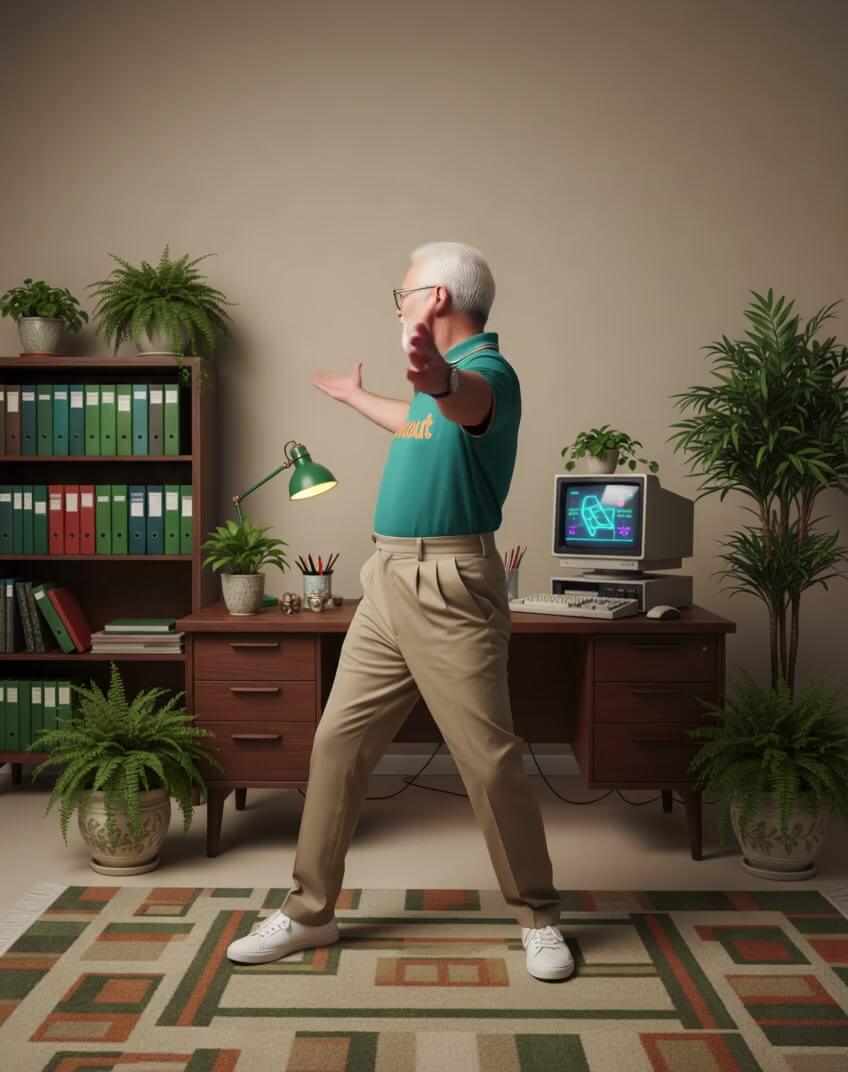 16 exercises
Home Office Basic Yoga
Simple standing yoga poses that enhance mobility and clarity without needing a mat.
 32 exercises
Morning Mobility
Gentle mobility exercises targeting stiffness from sedentary habits.
Want the full routine?
Three minutes, guided by audio, in the iOS app. Or add Wakeout to Chrome — every new tab becomes a tiny movement break.