Wakeout pack — 14 exercises
Morning Qi Gong
Traditional Chinese energy practices to activate your body's natural vitality.
standingbedroom / living roommorningdo anywhere14 exercises
30-second preview
Reach for this when…
You want a slow, traditional qi gong practice to open your breath and ease into the morning before the day speeds up.
Why this happens
Qi gong is a 2,000-year-old Chinese practice that Western physiology has been quietly confirming for decades. Slow, deliberate movements synchronized with breath produce measurable shifts in heart rate variability, cortisol, and autonomic balance — the same set of markers modern stress research has become obsessed with. The morning form is especially useful because it's designed to do exactly what mornings require: open the breath, warm the joints, raise energy without spiking it, and cultivate the kind of alert calm that makes the first meeting of the day feel manageable. This pack sticks closer to traditional qi gong than the blended morning energy pack, which means slower tempo, more standing postures, more emphasis on breath as the engine and movement as the vessel. Most people who build a morning qi gong habit notice two things within a few weeks: their mornings feel less urgent, and the rest of the day has a subtle anchor it didn't before.
About this routine
Best as an unhurried morning practice in a quiet, warm room, standing in socks or bare feet with arms free to extend. About eight minutes. Skip if you're managing active vertigo, have balance concerns without support nearby, or find slow breathing patterns triggering for anxiety — try the morning motivation pack instead. Safe during uncomplicated pregnancy. Qi gong isn't a substitute for medical treatment, but a few thousand years of practitioners have found it a dependable way to start a day.
Use this pack when you need to…
Built for these moments
Make Me Stand Up
Higher-intensity moves that get you up on your feet, from sit-to-stand flows to moves for your standing desk.
Why this pack: Every move here happens on your feet, from Heavenly Hands to Hand Drop Bend Overs, so you get up and enjoy livelier Qi Gong that wakes your energy right up.
Gain Mental Clarity
Cardio moves like punches, kicks, jumps and desk pumps that send oxygen through your blood and leave your head feeling clearer.
Why this pack: These energetic Chinese practices pair dynamic breathing like Expansive Breath with active moves like Hand Waves, boosting oxygen flow and your natural vitality.
Frequently asked
What people ask about morning qi gong
What is qi gong and how is it different from yoga or tai chi?
Qi gong is a Chinese practice that coordinates slow movement, breath, and attention to cultivate what's traditionally called qi — what modern physiology would describe as autonomic balance and circulation. It shares slow movement with tai chi and breath awareness with yoga, but its forms are generally simpler, more repetitive, and more explicitly tied to breath as the driver. Tai chi is often considered a specialized branch of qi gong focused on martial applications.
Do I need to believe in qi for this to work?
No. The physiological effects — lowered resting heart rate, improved heart rate variability, reduced cortisol, better balance — show up regardless of what you call the mechanism. The term 'qi' predates the physiology that now partially explains the effects, but the practice doesn't require the metaphysics to produce benefit. Plenty of skeptics maintain a practice because the biomarkers improve whether they buy the framework or not.
How is this different from the morning energy pack?
Morning energy blends qi gong with yoga and is pitched for alertness. This pack is closer to traditional qi gong — slower, more internal, more focused on breath. Pick this one if you want the authentic practice framing. Pick morning energy if you want the same rough mechanism delivered in a more Western, more activating format. Both work; the question is which vocabulary you want to live inside.
How long until qi gong produces noticeable effects?
Acute effects — calmer nervous system, warmer hands, easier breath — show up inside the first session. Cumulative effects on sleep quality, baseline stress tolerance, and balance typically emerge across two to four weeks of daily practice. Research on tai chi and qi gong in older adults consistently shows balance and fall-risk improvements after eight to twelve weeks. It's slow medicine, which is part of the point.
You might also like
Packs built for the same body, a slightly different moment.
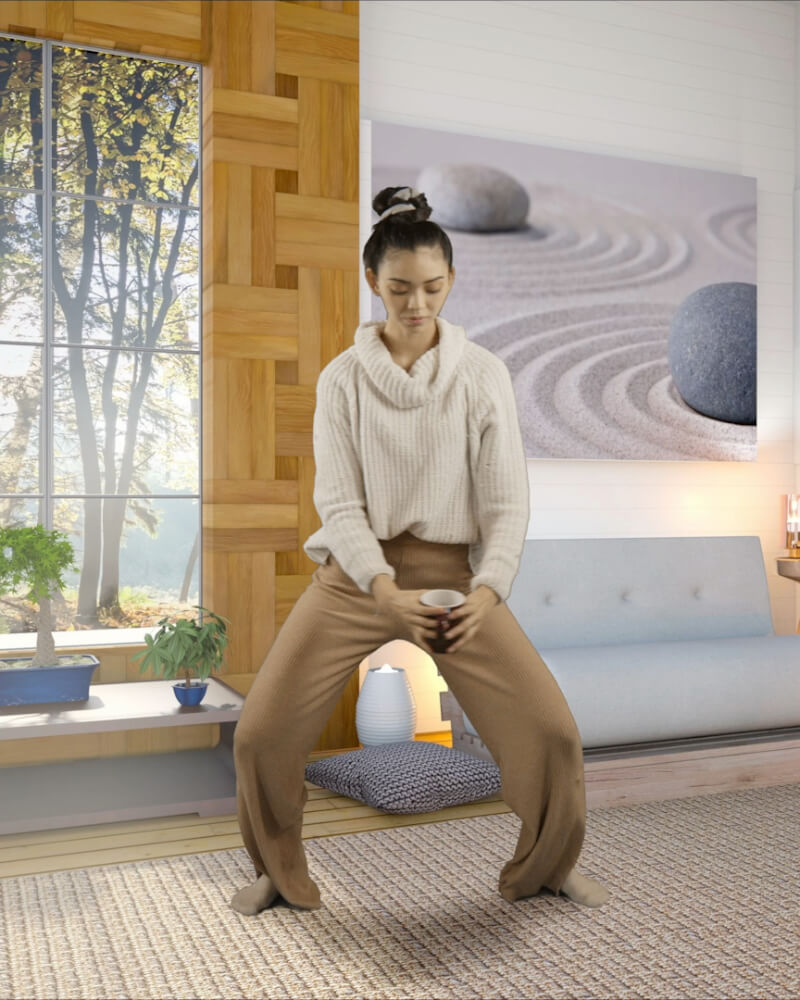 13 exercises
Coffee Tai Chi
Balance and coordination practice while holding your coffee cup.
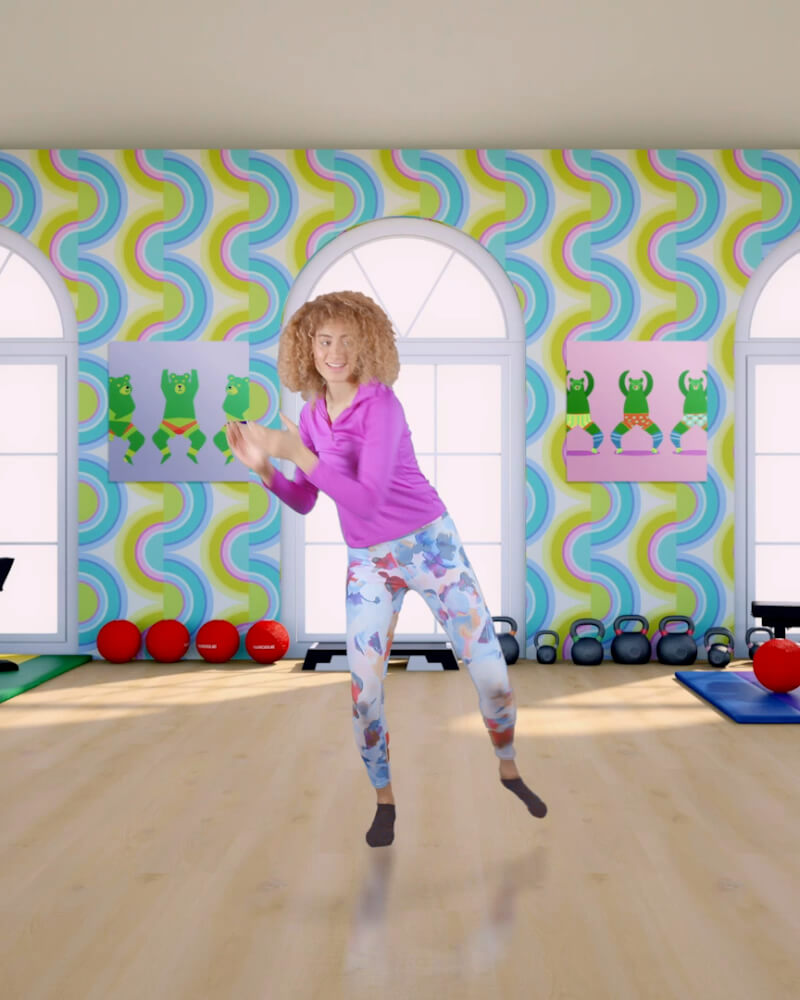 13 exercises
Funrobics
Retro 80s aerobics with upbeat movements updated for modern times.
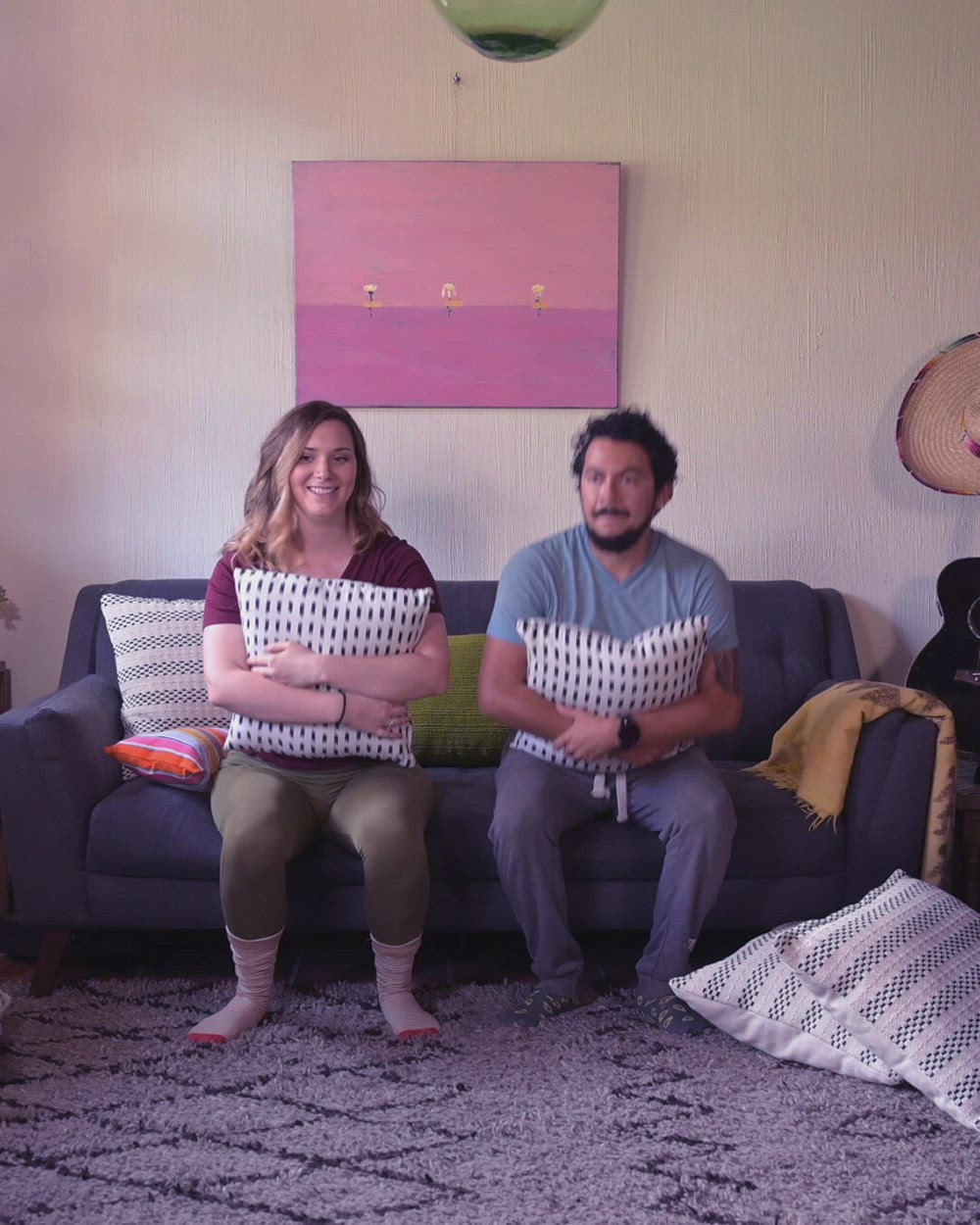 39 exercises
Couch With A Partner
Partner-based movements that create connection and energy during couch time.
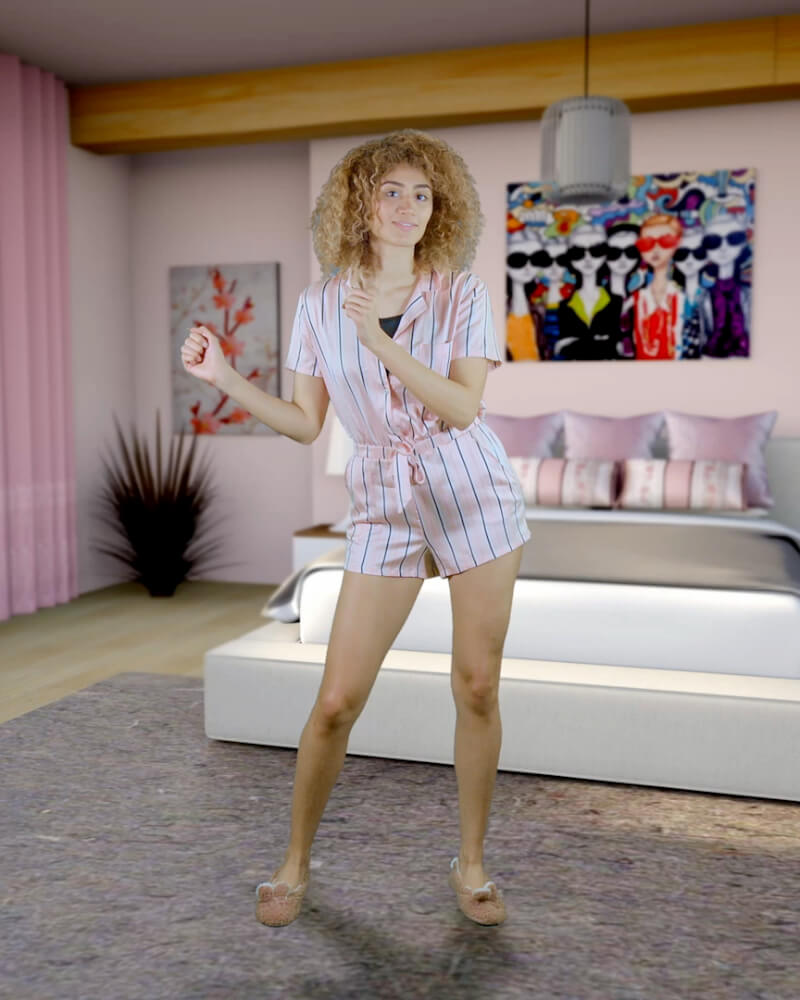 14 exercises
Pajama Dance
Upbeat morning dance movements you can do in your pajamas.
 17 exercises
Balance Training
Standing exercises focused on balance and body awareness to prevent falls.
Want the full routine?
Three minutes, guided by audio, in the iOS app. Or add Wakeout to Chrome — every new tab becomes a tiny movement break.