Wakeout pack — 93 exercises
Desk - Sitting
Desk-friendly movements from leg raises to seated punches to combat sedentary work.
sittingdeskmiddaydo anywhere93 exercises
30-second preview
Reach for this when…
You want to move a little between tasks, nothing in particular is bugging you, and a fun break without leaving your chair sounds just right.
Why this happens
The specific posture of a seated desk day is unusually demanding. Hips held at roughly 90 degrees for hours shorten the iliopsoas and rectus femoris. The thoracic spine rounds forward as the shoulders follow the mouse. The lumbar spine, unsupported by engaged core, sustains prolonged flexion that compresses discs and fatigues the erector spinae. And through it all, the muscles that should be working, glutes, mid-back, posterior shoulder, go completely offline. The pain people feel by 4pm isn't injury, it's cumulative postural load on tissues that weren't designed to hold one shape all day. The answer, well-established in ergonomics and sedentary behavior research, is movement frequency rather than movement volume. Two minutes of postural counter-movement every hour prevents far more discomfort than a gym session at the end of the day. This pack is the default for that strategy. Seated movements that reverse the flexed chair posture briefly and often. Most desk workers feel the difference in their lower back and neck within a few days.
About this routine
Best during a seated work day, between tasks or at the top of each hour. Takes two to four minutes and works in most chairs, at most desks, in most office clothes. Skip if you have acute back pain with nerve symptoms, which warrants a doctor, not a routine. Safe during pregnancy. None of this replaces a proper ergonomic setup or actual training, but as an everyday counterweight to the flexed chair posture, it's the baseline most desk workers need.
Use this pack when you need to…
Built for these moments
Boost Energy
High-energy moves you can do seated or standing, like seated boxing and kicks, right at your desk when you need a lift.
Why this pack: Seated punches, leg raises and a little Chair Dancing give you a quick, desk-friendly burst of energy without ever leaving your office seat.
Engage My Hips
Hip exercises, leg stretches, kicks and Pilates-style moves that get your hips and legs happily in motion.
Why this pack: Leg raises, Alternating Knee-ups and other leg-focused moves get your hips happily working, all from the comfort of your chair.
Improve Mood
Playful moves for when your mood dips at work, from dancing to pretend punches, kicks and a little fun with your office chair.
Why this pack: Playful seated punches, Chair Dancing and a move called A Little Frustrated make this a fun, goofy way to lift your mood at work.
Engage My Core
Torso twists, side touches and similar moves that work your whole core: your abs, your sides and your lower back.
Why this pack: Desk Crunches, L-sit Holds and leg raises bring your abs into the fun, so you can build core strength right where you sit.
Frequently asked
What people ask about desk - sitting
Why does sitting at a desk all day hurt so much?
Prolonged sitting locks the body into sustained hip flexion, rounded thoracic spine, and forward head position, while the supporting muscles (glutes, mid-traps, deep core) go inactive. Tissues adapt to held positions, circulation slows, and by afternoon, the cumulative postural load produces the classic desk aches: lower back, upper back, neck, hips. It's not injury, it's tissue response to doing one thing for too long. Movement breaks the pattern.
How often should I move when working at a desk?
Every 30 to 60 minutes, for two to five minutes, based on the sedentary behavior research. Frequency matters more than duration. A short movement break every hour prevents the postural and metabolic drift that uninterrupted sitting produces, while one long end-of-day session does not. Set a timer if you need one. Most people can't track the hour reliably while focused on work.
Is a standing desk better than a sitting desk?
Neither is great alone, and the evidence for standing desks is more modest than the marketing suggests. Prolonged standing has its own costs: fatigue, varicose vein strain, lower back tightness from locked knees and hips. The better approach is alternating positions every 30 to 60 minutes, which matches the more robust finding that position changes, not any one posture, drive most of the benefit. Movement during either position matters more than the position itself.
Can exercise reverse the damage from sitting all day?
It prevents much of it and improves most of the rest, but the common framing of sitting as something you undo at the gym is misleading. Research suggests that an hour of exercise doesn't fully compensate for eight hours of uninterrupted sitting, especially for metabolic outcomes. What does work is breaking up the sitting itself with frequent short movement, plus regular exercise on top. Both, not either.
What's the best stretch for lower back pain from sitting?
For tension-pattern lower back pain from desk work, hip flexor openers, seated cat-cow, and gentle trunk rotations help most because they reverse the three things sitting does: shortens the hip flexors, flexes the lumbar spine, and locks rotation. Do them briefly and often rather than once hard at the end of the day. Sharp pain or pain that radiates into the leg is different and needs a doctor, not a stretch.
You might also like
Packs built for the same body, a slightly different moment.
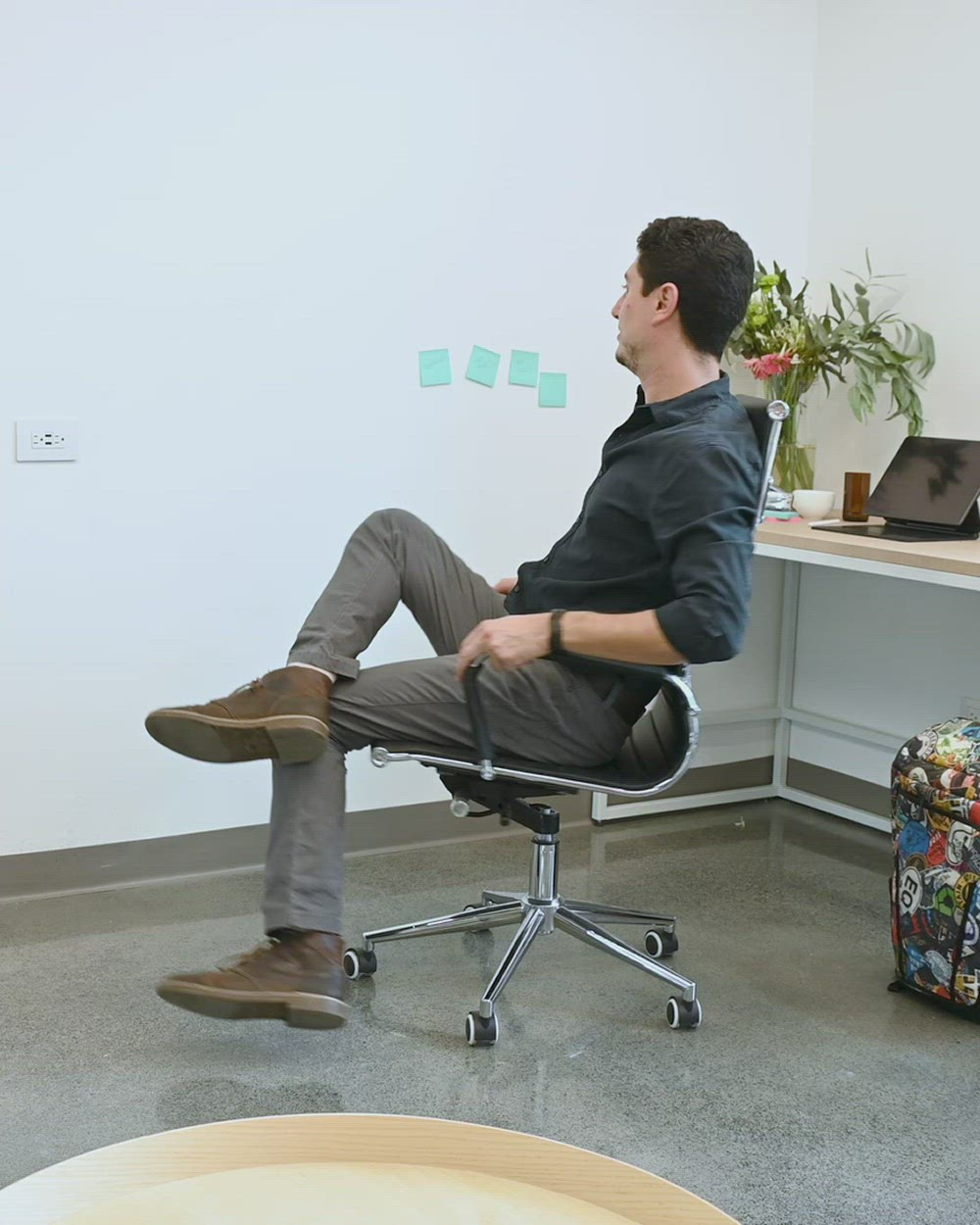 28 exercises
Office Chair
Playful chair exercises that turn your office chair into exercise equipment.
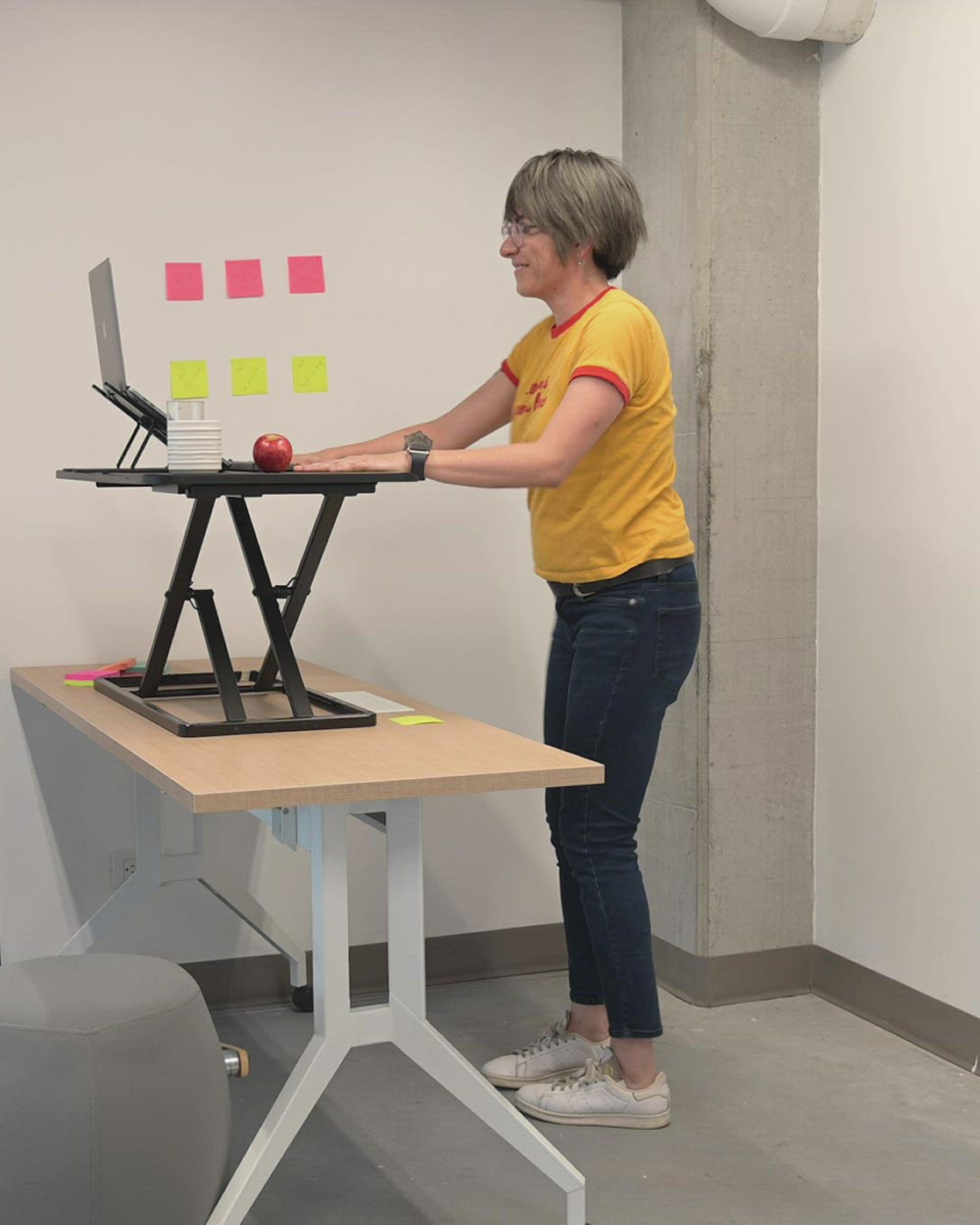 39 exercises
Standing Desk
Exercises to keep you energized at your standing desk while preventing stiffness.
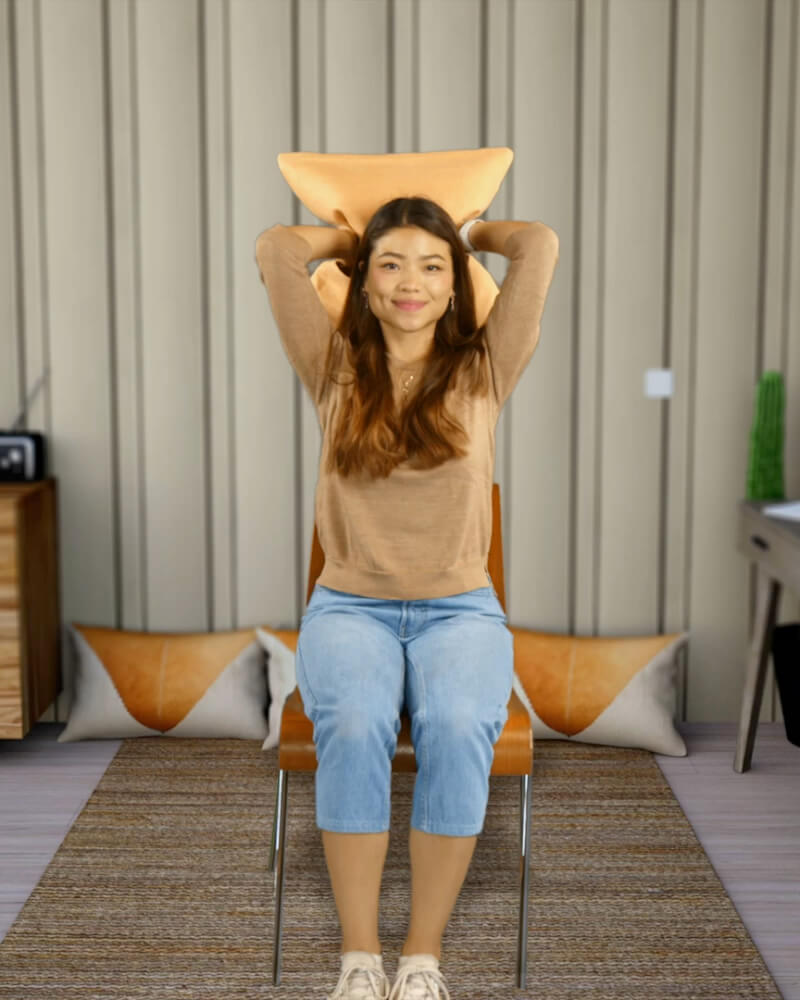 18 exercises
Cushion Fun
Playful seated movements using a cushion as an exercise prop.
 18 exercises
Work From Home Basics
Gentle, confidence-building movements perfect for beginning your activity journey.
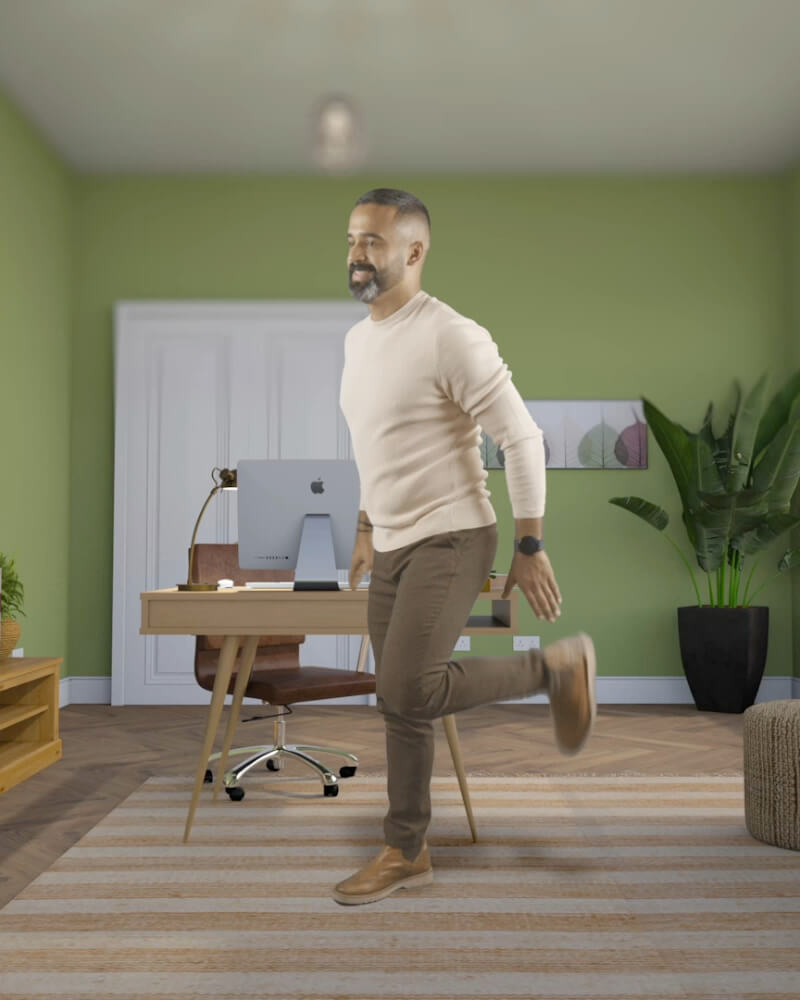 13 exercises
Fun Kicks
Playful kicking movements that energize your legs and promote lower body circulation.
Want the full routine?
Three minutes, guided by audio, in the iOS app. Or add Wakeout to Chrome — every new tab becomes a tiny movement break.