Wakeout pack — 78 exercises
Bedroom
Pajama-friendly movements that transition you from groggy to energized.
laying downbedroommorningdo anywhere78 exercises
30-second preview
Reach for this when…
Your alarm just went off, you're still in pajamas under the covers, and getting up feels like a big ask for now.
Why this happens
Waking up stiff isn't laziness — it's physiology. Overnight, synovial fluid thickens, intervertebral discs rehydrate and expand (you're measurably taller at 6am), and the parasympathetic nervous system is still running the show. Standing up too fast asks a sleepy cardiovascular system to pressurize against gravity before it's ready, which is why morning dizziness is real. This pack is for the person still horizontal, still in pajamas, still negotiating with the alarm. Eleven gentle lying-down and propped movements that lubricate the hips, spine, and shoulders without demanding full weight-bearing. The design principle is coaxing, not commanding — shifting the body from parasympathetic rest toward sympathetic activity at a pace the nervous system can actually follow. Most people find they leave the bed with less creaking and fewer regrets. If you prefer sitting on the bed edge instead of lying, skip to Seated Mobility Wake Up.
About this routine
Best for the first few minutes after your alarm, while still under the covers or on top of them. All movements are lying down or softly propped, done in pajamas with no prop required. Skip it if you have acute back pain from a recent injury, are in late-stage pregnancy where supine positions feel wrong, or have vertigo triggered by head-position changes. Safe for most mornings. Not medical advice — just a gentler on-ramp than leaping straight into your day.
Use this pack when you need to…
Built for these moments
Boost Energy
High-energy moves you can do seated or standing, like seated boxing and kicks, right at your desk when you need a lift.
Why this pack: Pajama-friendly sitting and standing moves like Bed Jumpers and Bouncy Bed Squats take you from groggy to energized without leaving your bedroom.
Engage My Core
Torso twists, side touches and similar moves that work your whole core: your abs, your sides and your lower back.
Why this pack: Lying-down abs moves like Captain Crunches, Coushy Plank and Full Bed Plank make core work a cozy, playful part of your morning routine.
Frequently asked
What people ask about bedroom
Why do I feel so stiff in the morning when I get out of bed?
Two physiological reasons: discs in your spine rehydrate overnight and press against stiffened surrounding tissue, and synovial fluid in your joints thickens when you're still. You also lose muscle tone during sleep, so getting vertical suddenly loads structures that haven't moved in eight hours. The stiffness usually resolves within 15-30 minutes of moving, but gentle in-bed mobility shortens that window by pre-loading the joints before you stand.
Is it okay to exercise before getting out of bed?
Gentle mobility work is actually ideal before getting up. Vigorous exercise isn't — your cardiovascular system needs a few minutes to adjust blood pressure for vertical posture, and your discs are at their most hydrated (and therefore most vulnerable to flexion strain) in the first hour after waking. In-bed movements that prioritize small ranges and breath-paced pacing give the body a heads-up that activity is coming.
Will doing this in bed make me want to go back to sleep?
The opposite, usually. Movement — even gentle movement — increases cortisol and norepinephrine, which is what you want in the morning. Staying still in bed is what extends grogginess. The pack is designed to nudge you from parasympathetic dominance toward sympathetic alertness without the shock of jumping straight to standing. Think of it as a dimmer switch instead of a light switch.
What if I'm not a morning person at all?
This pack was built for you specifically. The whole premise is that starting movement before you leave the bed takes less willpower than starting after — because there's no transition cost, no cold floor, no decision to make. Morning-person status is partly identity, partly physiology. Consistent gentle activation in the first ten minutes of waking shifts the second part over a few weeks.
How is this different from seated wake-up routines?
This one keeps you horizontal or propped; a seated wake-up like Seated Mobility Wake Up assumes you're already sitting on the bed edge. Horizontal mobility is gentler on blood pressure and works well for people who get lightheaded standing fast. Seated mobility takes slightly more effort but primes balance and postural muscles. Many people use both — this one first, then the other before standing.
You might also like
Packs built for the same body, a slightly different moment.
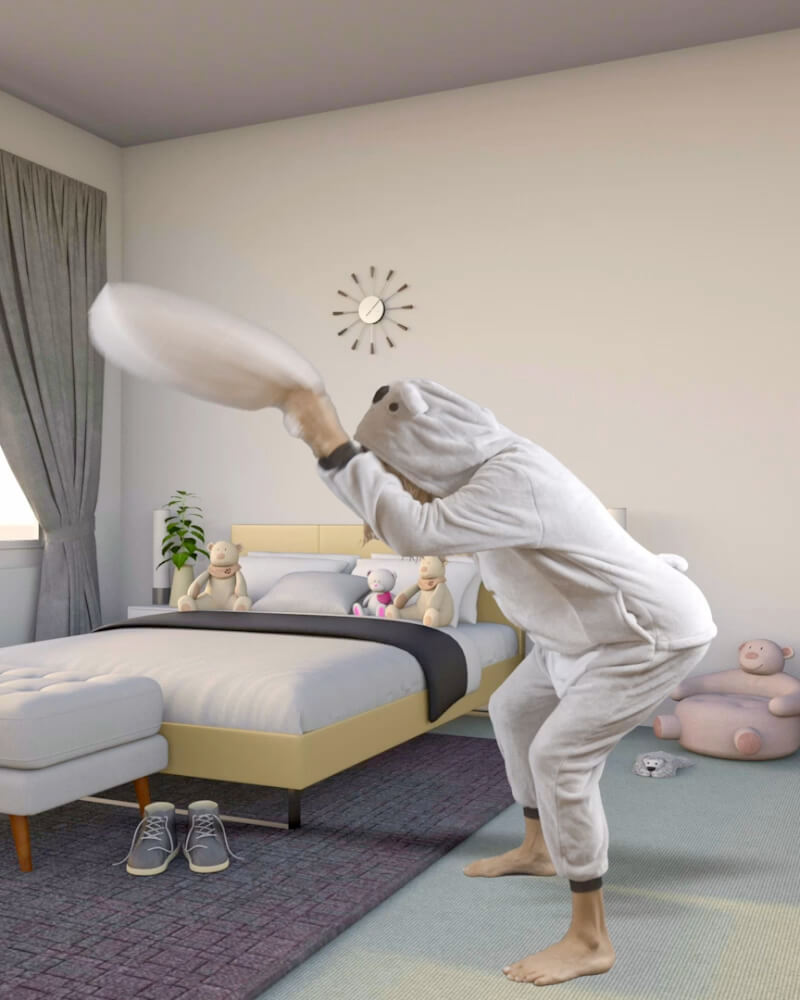 14 exercises
Pillow Wake Up
Transform your pillow into an exercise prop for an engaging morning routine.
 14 exercises
Pajama Dance
Upbeat morning dance movements you can do in your pajamas.
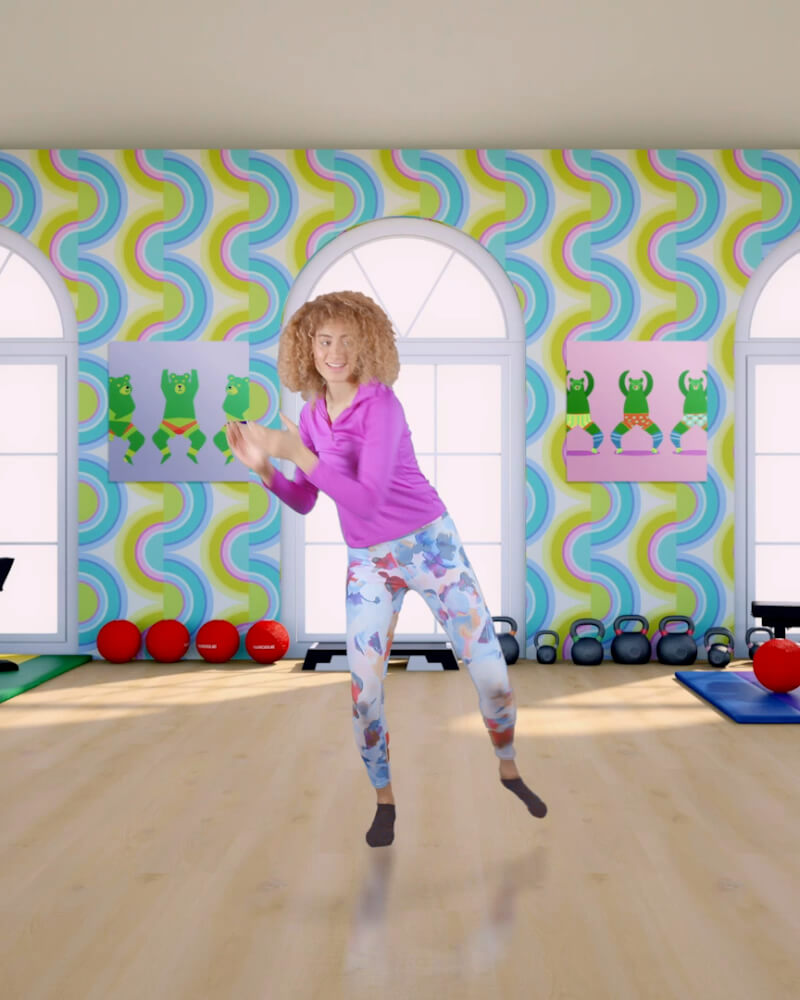 13 exercises
Funrobics
Retro 80s aerobics with upbeat movements updated for modern times.
 48 exercises
Morning Energy
Rhythmic qi gong and yoga movements for a coffee-free morning boost.
 12 exercises
Morning Flow
Hypnotic flowing movements that gently awaken body and mind.
Want the full routine?
Three minutes, guided by audio, in the iOS app. Or add Wakeout to Chrome — every new tab becomes a tiny movement break.